
Why go
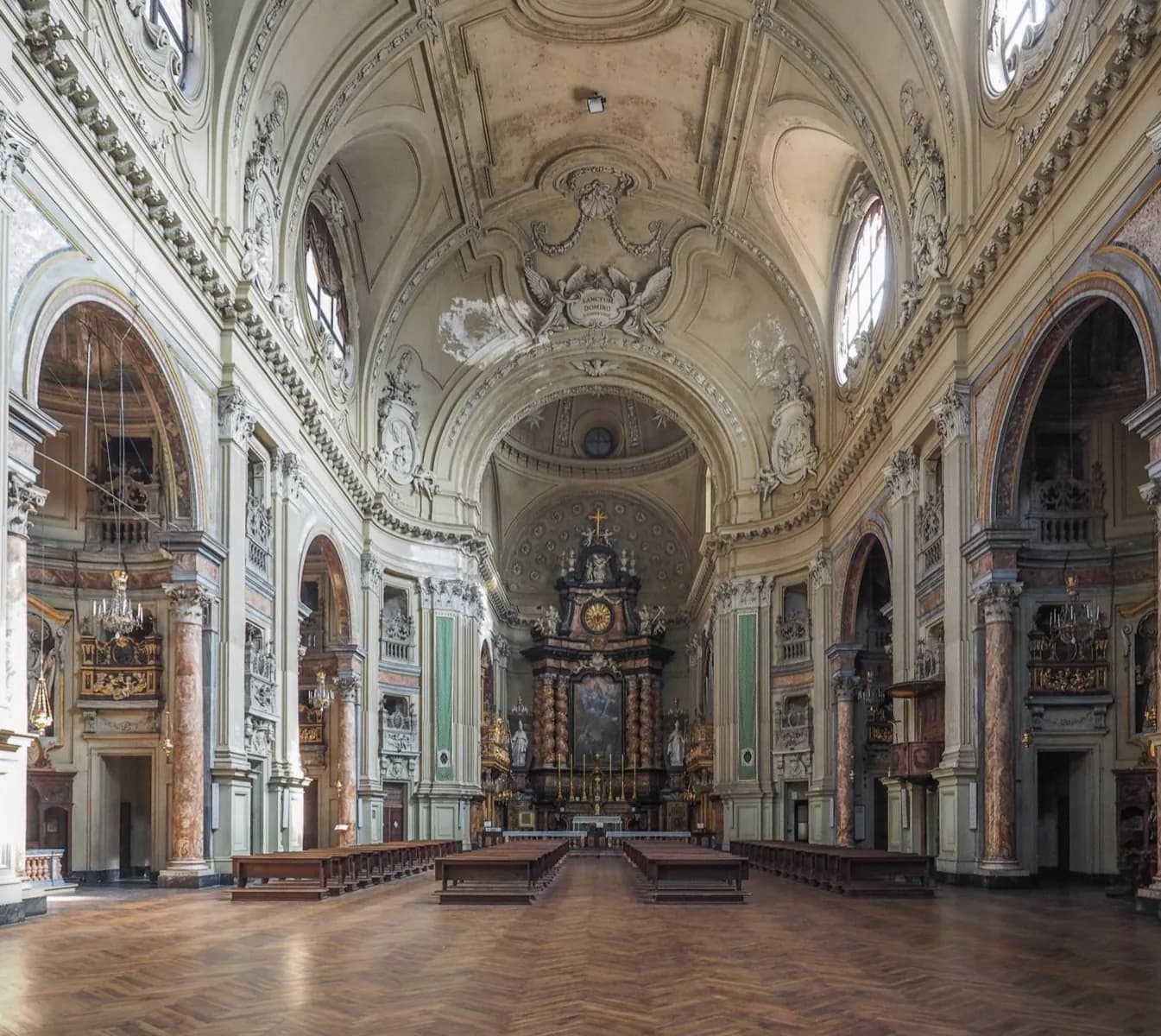
Architecture can organize a trip through Italy’s layers of history. Compare an ancient structure with Brunelleschi’s dome in Florence, then look at the grand plans of Renaissance Rome or the theatrical church architecture associated with Bernini and Borromini. Each comparison makes the changing use of space easier to grasp.
The full story
Italy’s buildings hold several traditions in view at once. Ancient ruins provided models that Renaissance architects later studied directly. Early Christian basilicas changed the shape of religious building, while St Mark’s Basilica in Venice carries strong Byzantine influence. In Florence, Filippo Brunelleschi’s dome became a defining feat of Renaissance design. Leon Battista Alberti’s writing and buildings shaped the period’s architectural thinking. In Rome, Donato Bramante’s original plan for St Peter’s Basilica began another major Renaissance project. Andrea Palladio’s villas and palaces later influenced architects far beyond Italy. The Baroque work of Gian Lorenzo Bernini and Francesco Borromini made church spaces more dramatic in the seventeenth century. These names are most useful as a way to notice differences: how a dome organizes space, how a façade addresses a square, and how a later church guides movement and light. Compare buildings from different periods rather than treating one style as the whole Italian story.