
Why go
A winter coastal visit and a winter mountain visit demand different plans. Summer can be hot in lowland valleys, while altitude and coastal exposure change conditions again; that matters when mixing city, countryside and island stops. This contrast is most useful when one journey moves between the Alps, cities of the Po Valley and southern shores.
The full story
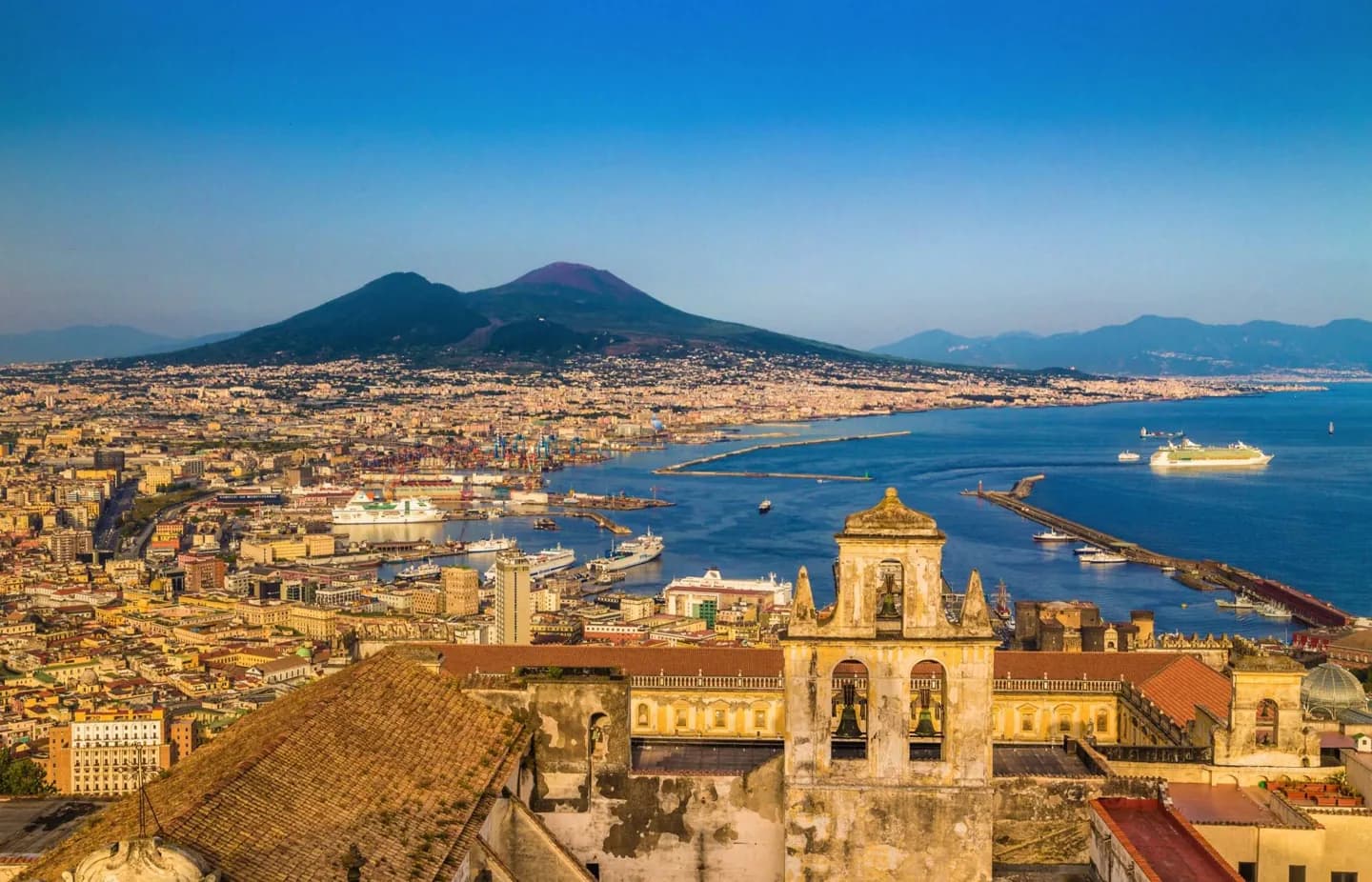
Italy stretches from the Alps to Sicily, and mountains occupy much of its interior. In the north, the Po Valley has more continental conditions, with cold winters and hot summers. The coasts of Liguria and Tuscany and much of the south generally have milder winters and warmer, drier summers. Higher inland ground can be much colder and wetter than the coast, especially in winter, when snow is possible. Lowland valleys may become particularly hot in summer. These contrasts matter on trips that combine regions rather than stay in one city. A route from an Alpine area through the Po Valley to a southern coast crosses several weather patterns. Even within one part of the peninsula, a hill or mountain excursion can feel unlike a nearby shore. Use the place and elevation of each stop to decide what to pack and how much outdoor time to schedule. The seasonal label alone gives too little detail for a country with this much geographic variation.
Useful to know
- Check the forecast for each region and elevation on a multi-stop trip.
- Allow for colder, wetter or snowy conditions in higher inland areas during winter.
- Plan more flexibility for outdoor sightseeing in hot lowland summer conditions.