
Why go
Japan’s climate changes with latitude, altitude and the contrast between the Pacific and Sea of Japan coasts. This context helps you compare Hokkaidō, central highlands, the Inland Sea and the Ryūkyū islands before deciding what landscapes and travel rhythm suit your trip.
The full story
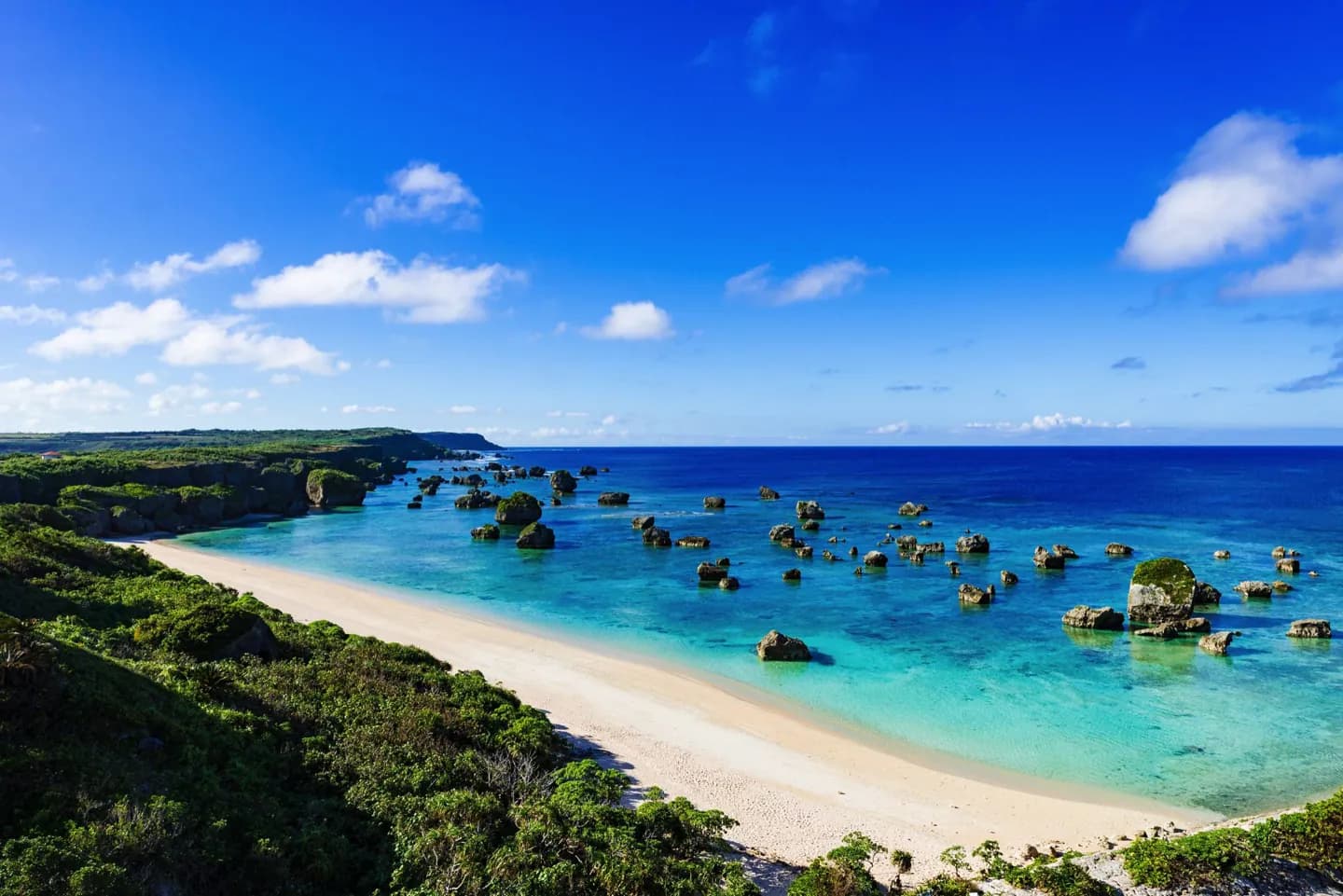
Japan has distinct seasonal patterns, but there is no single national weather experience. Hokkaidō has long, cold winters and cooler summers. Central highlands add altitude to the equation, while much of Honshū, Shikoku and Kyūshū has hot, humid summers and a more temperate pattern. Farther south, the Yaeyama islands have a tropical climate. Coast matters too. Winter winds from the northwest bring heavy snow to the Sea of Japan side, while the Pacific side has different rain and sunshine patterns. The warm Kuroshio and cold Oyashio currents also affect nearby coasts. Seasonal change is especially visible in spring blossom, summer cicadas and autumn foliage, but the timing varies by region. Choose regions before fixing a season-specific plan. A snowy northern trip, a humid summer city stay and a southern island visit call for different expectations; check local forecasts and transport conditions close to departure.