
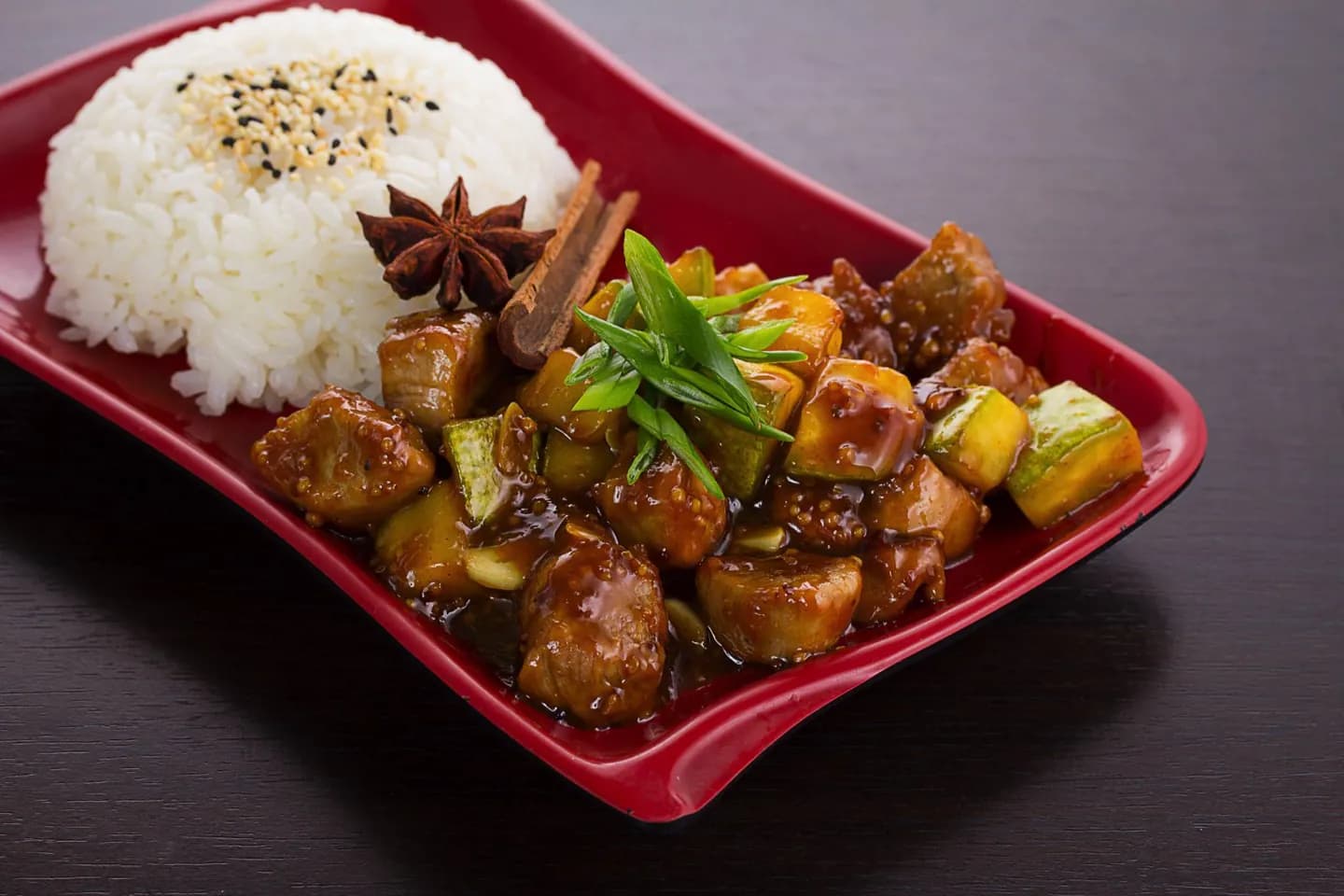
Why go
Japanese meals connect regional ingredients with everyday customs. A local noodle shop, set-meal restaurant and izakaya can serve very different food and use different ordering patterns, while chopstick and bowl etiquette helps shared dining feel natural during a regional stop.
The full story
Japanese cuisine emphasizes seasonal ingredients, rice, seafood, soy products and pickles, but the experience changes from region to region. Hokkaidō is known for seafood, while Osaka is associated with okonomiyaki and takoyaki. Looking for a local dish is often more useful than searching for a generic version of Japanese food. Restaurant systems vary. Some places ask you to order and pay at a counter before seating; others take an order at the table. Illustrated menus can help, but it is sensible to check the sequence when you enter. Set meals may combine rice, soup, a main dish and small sides. Chopsticks are used for most Japanese food. Do not leave them upright in rice or pass food directly from chopsticks to chopsticks, both of which are associated with funeral rites. Use the hand towel for hands, then focus on the meal and the local specialty rather than trying to order everything at once.
Useful to know
- Check whether ordering happens at the counter or table when you enter.
- Try one local specialty, then add only what suits your appetite and the meal’s pace.