
Why go
Japan’s rail network offers different ways to understand the country, from high-speed city corridors to local journeys through smaller communities. Private lines add access to distinctive destinations beyond the main JR routes, making regional landscapes and urban neighborhoods part of the travel experience.
The full story
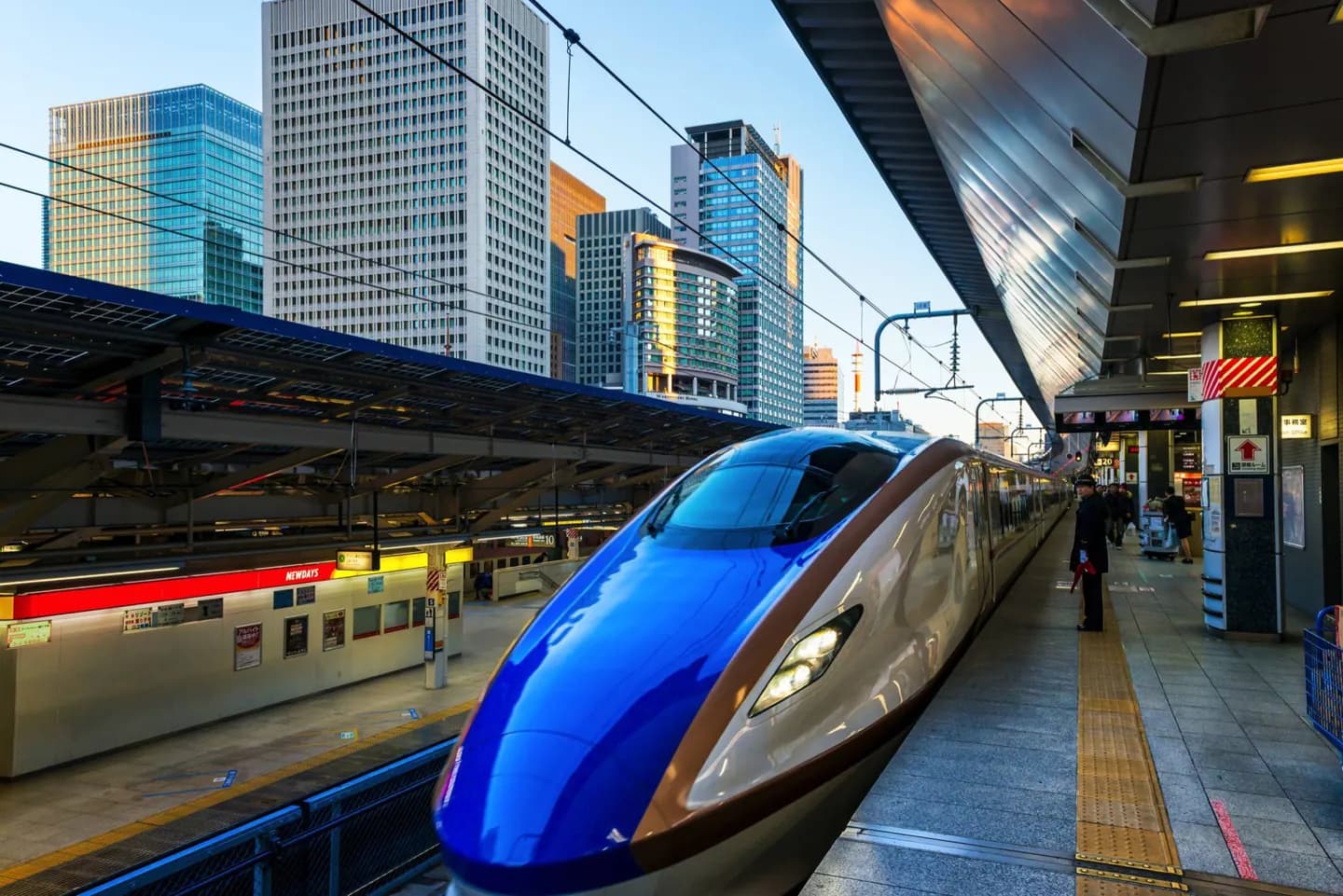
Rail is a strong default for moving between Japanese cities. Local trains stop at every station, rapid and express services skip some stops, and limited express or special express trains may need an extra charge. Shinkansen connect major cities at high speed, while urban rail and subway systems cover many large-city neighborhoods. JR operates nationwide routes, including shinkansen and major corridors such as Kyoto, Hiroshima, Kanazawa and Sendai. Private railways provide direct access to places including Nikko, Hakone, Nara, Kōyasan and airport areas. This means the fastest route is not always entirely on one network. IC cards, paper tickets and rail passes are common payment options. Reservations are generally unnecessary for local, rapid and ordinary express trains, but may be needed or advisable for shinkansen, some limited express trains and sightseeing services. Check a current route planner for fares, platforms and the final train before you leave.
Useful to know
- Use a current route planner for fares, platforms and the last connection.
- Reserve shinkansen, selected limited express and sightseeing trains when needed; local services usually do not require it.