
Why go
Art collections make more sense when you compare media rather than chase a single period. Jōmon vessels, dogū figurines, Buddhist images, brushwork, and Edo woodblock prints show changing ideas about material, devotion, daily life, and the natural world over time.
The full story
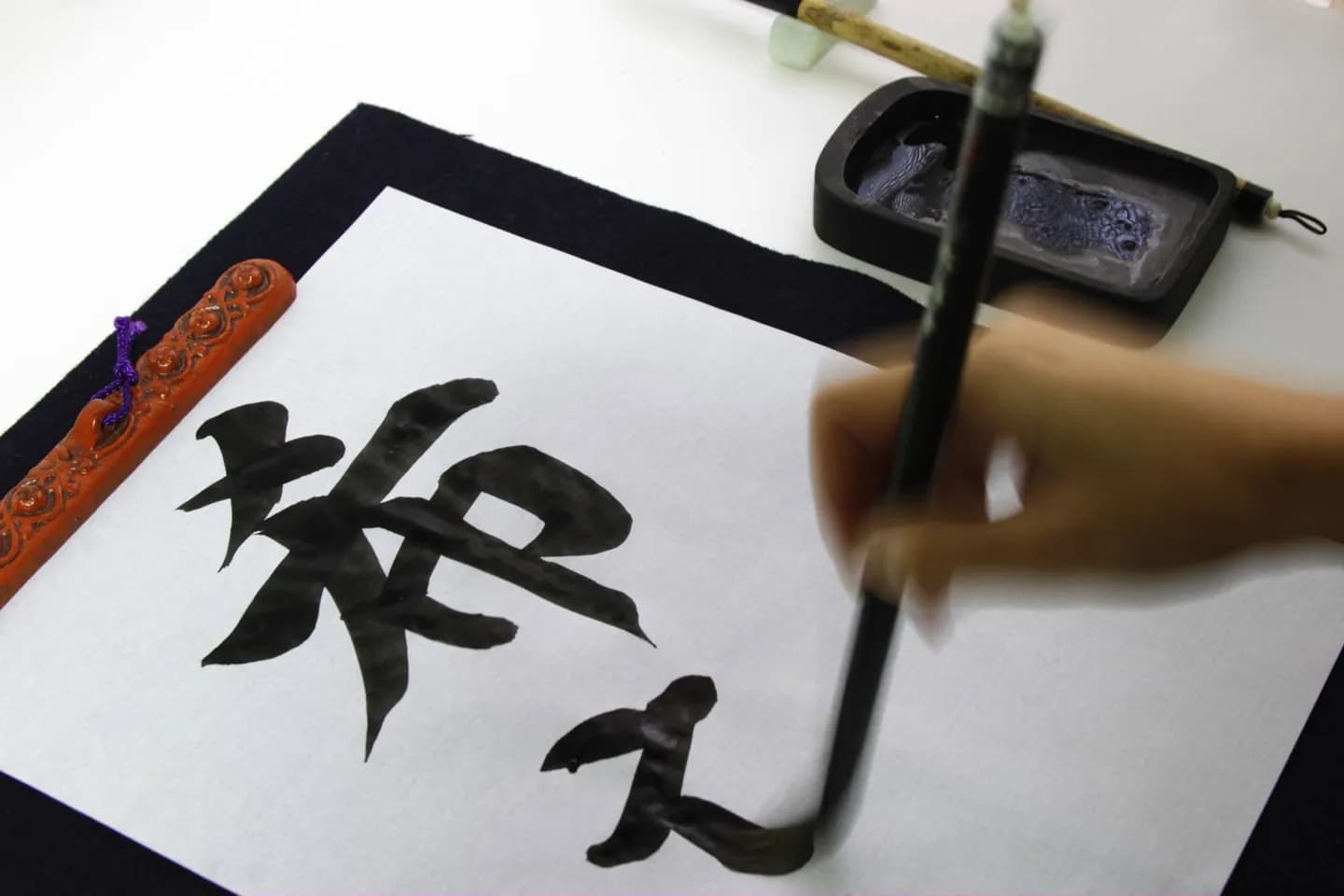
Japanese art moves between clay, wood, paper, silk, metal, and built space. Jōmon makers left cord-marked pottery, dogū clay figures, and crystal jewels; the Yayoi period takes its name from a Tokyo district where settlement remains were found. Buddhism drove major artistic production in the seventh and eighth centuries, so sculpture and temple imagery belong in the same conversation as belief. By the ninth century, artists increasingly developed indigenous forms alongside earlier Chinese influence. Brushwork matters especially: writing with a brush shaped sensitivity to ink painting and calligraphy. In the Edo period, ukiyo-e woodblock printing made colourful images of daily news and schoolbooks as well as pictures. Architecture carries the same attention to material, with natural surfaces and a relationship between interior and exterior space. When choosing a museum or temple, ask which medium you most want to follow; that choice gives a more coherent visit than treating every object as an isolated masterpiece.