
Why go
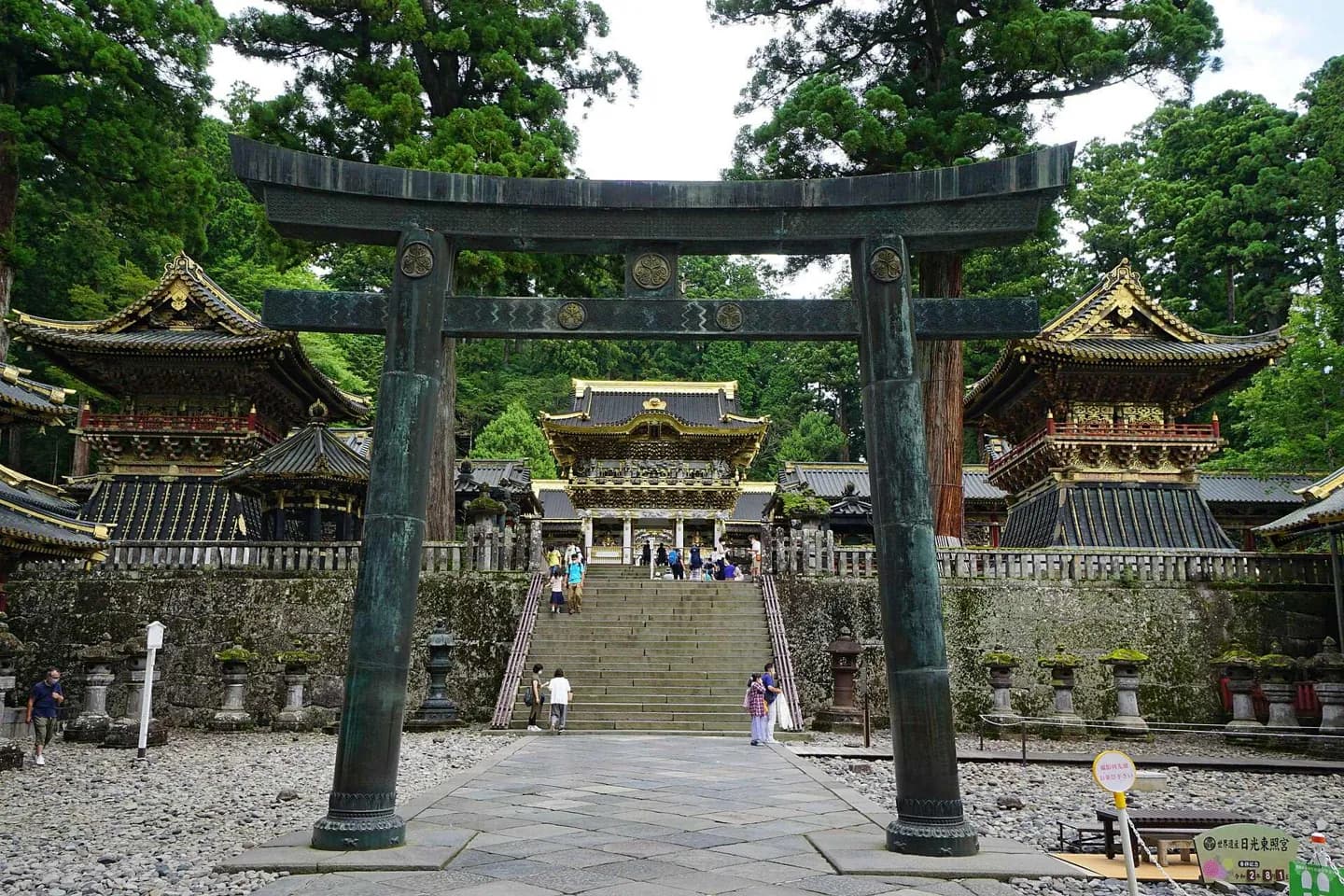
Nikkō Tōshō-gū introduces the sacred precinct through an unusually elaborate expression of Tokugawa authority, with carved gates, colorful buildings and a wooded mausoleum setting. Rinnō-ji adds the Buddhist dimension through its halls and devotional images, showing that Nikko’s religious importance extends beyond a single shrine. Futarasan Shrine offers a quieter architectural character and directs attention toward the mountains as places of worship. Nikkō Tōshō-gū and Rinnō-ji are the main anchors of this sequence, while Futarasan Shrine completes the picture by revealing an older mountain-centered tradition. The three places reward comparison of decoration, setting and religious purpose.
Useful to know
- Best for visitors comfortable with stone paths and the stairs at Toshogu.
- Allow a lunch break and extra time for buses between Nikko Station and the sacred precinct.
- Choose a shorter temple circuit if arriving late rather than rushing all three visits.
The route, stop by stop
World itinerary estimate: 300–420 min
Times are planning estimates. Unknown visit durations start at an editable 30 minutes; access is checked separately.
- 01
Main stop · 90–150 min
Nikkō Tōshō-gū
Nikko Toshogu’s richly carved gates, colorful buildings and wooded precinct commemorate Tokugawa Ieyasu, transforming a shogun’s mausoleum into one of Japan’s most elaborate religious ensembles.
Explore Walk · 11 min · Estimated
Walk · 14 min · Estimated
03Main stop · 40–60 min
Futarasan Shrine
Futarasan Shrine introduces the older mountain-worship tradition of Nikko through a relatively restrained sanctuary beside Toshogu, within a wider sacred geography that includes nearby peaks and Lake Chuzenji.
Explore