
Why go
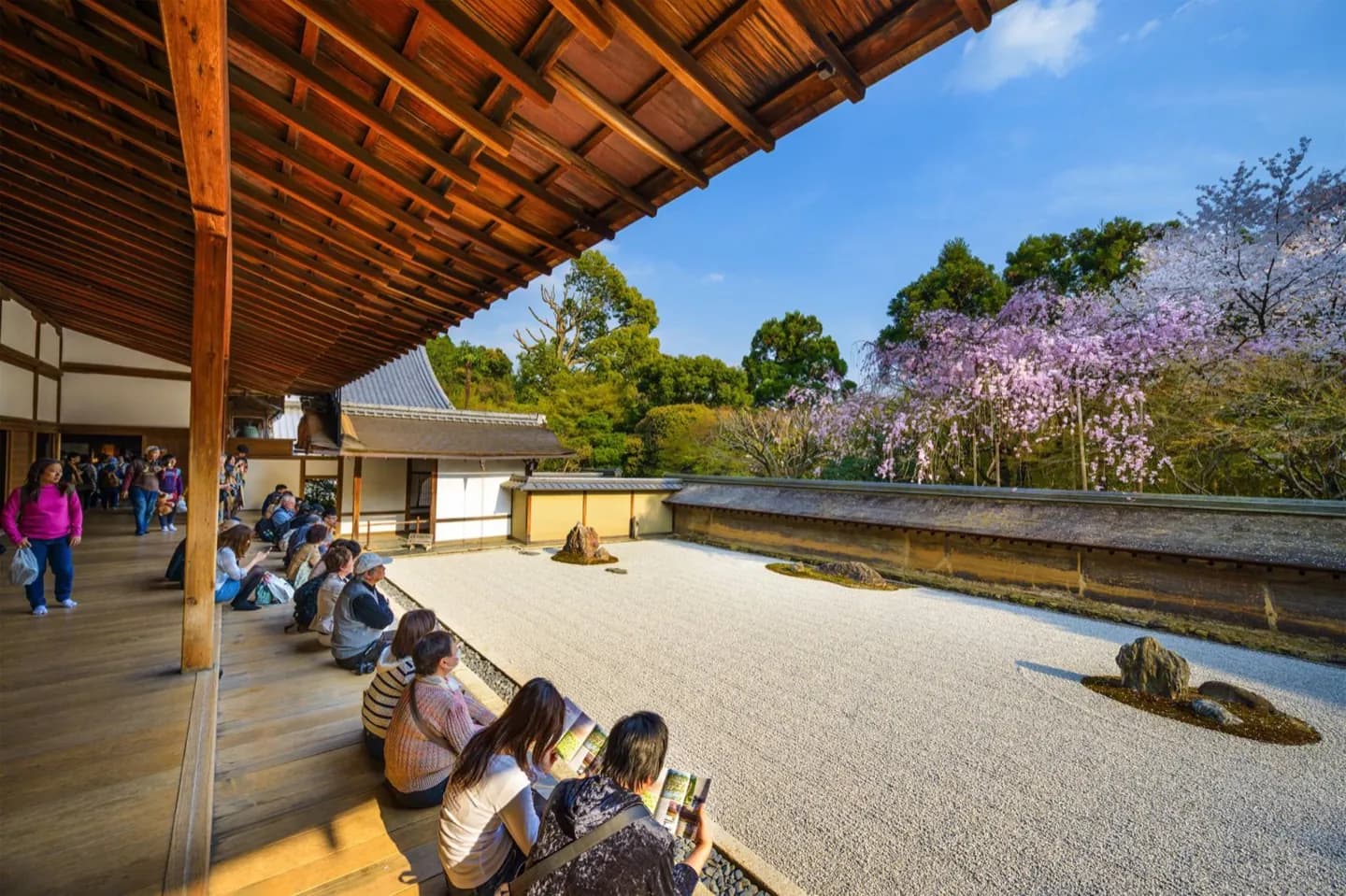
Shinto and Buddhism often appear side by side in daily life, yet they have different settings and traditions. Knowing that distinction makes visits to shrines, temple compounds and pilgrimage places more legible and helps explain why ritual can matter as much as architecture.
The full story
Shinto is Japan’s indigenous tradition of ritual practice and relationships with kami, or sacred presences. Shrines are its familiar public settings. The tradition is closely tied to acts of worship and seasonal or local observance, rather than to a single fixed creed. Early Japanese chronicles such as the Kojiki and Nihon Shoki record some of its foundational stories and practices. Buddhism arrived from the Asian mainland and developed through many schools. Temple compounds, images of buddhas and bodhisattvas, graves and memorial rites are among the forms a traveler may encounter. Pure Land traditions, including Jōdo-shū and Jōdo Shinshū, became especially important for merchants and farming communities. The two traditions have long overlapped in Japanese life. When visiting, first identify the setting as a shrine or a temple, then notice what the approach, gate, hall, altar or cemetery is asking you to understand.