
Why go
Japanese sport is not one tradition. Sumo’s offerings to kami and samurai-era archery sit alongside baseball, football, rugby, skating, and modern martial arts, giving travelers a choice between ritual spectacle, competition, physical discipline, crowd culture, and historical context on a trip.
The full story
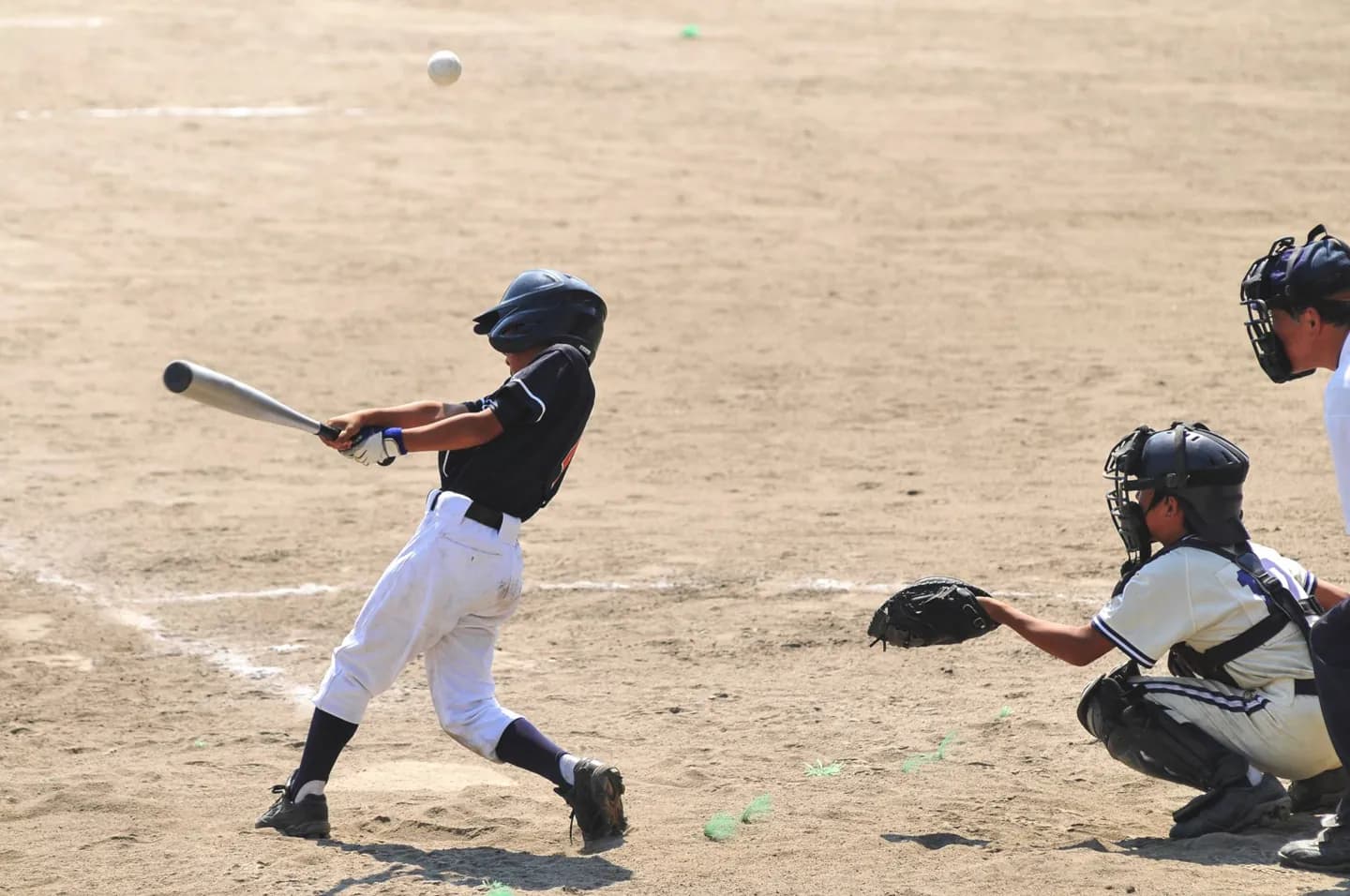
Sumo is both a sport and a lens on ritual. Its ceremonies are closely associated with Shinto belief, and older matches could be framed as offerings to kami or acts of divination. That makes a tournament different from a generic arena event: pay attention to the actions before the bout as well as the contest itself. Martial traditions have their own histories. The Kamakura period helped establish practices later associated with kyūdō; its earlier name, kyūjutsu, means bow skill. Yabusame, mounted archery, began in this period and is now treated as a sacred ceremony. Edo-period archery produced a remarkable Tōshiya record: in 1686, Wasa Daihachirō reportedly shot 13,053 arrows in twenty-four hours along a 120-metre corridor. After the Meiji Restoration, schools and universities adopted Western sports, including baseball, football, rugby, cricket, and ice skating. Choose your event by the question you want answered: ritual, technique, or the crowd culture of a modern league.