
Why go
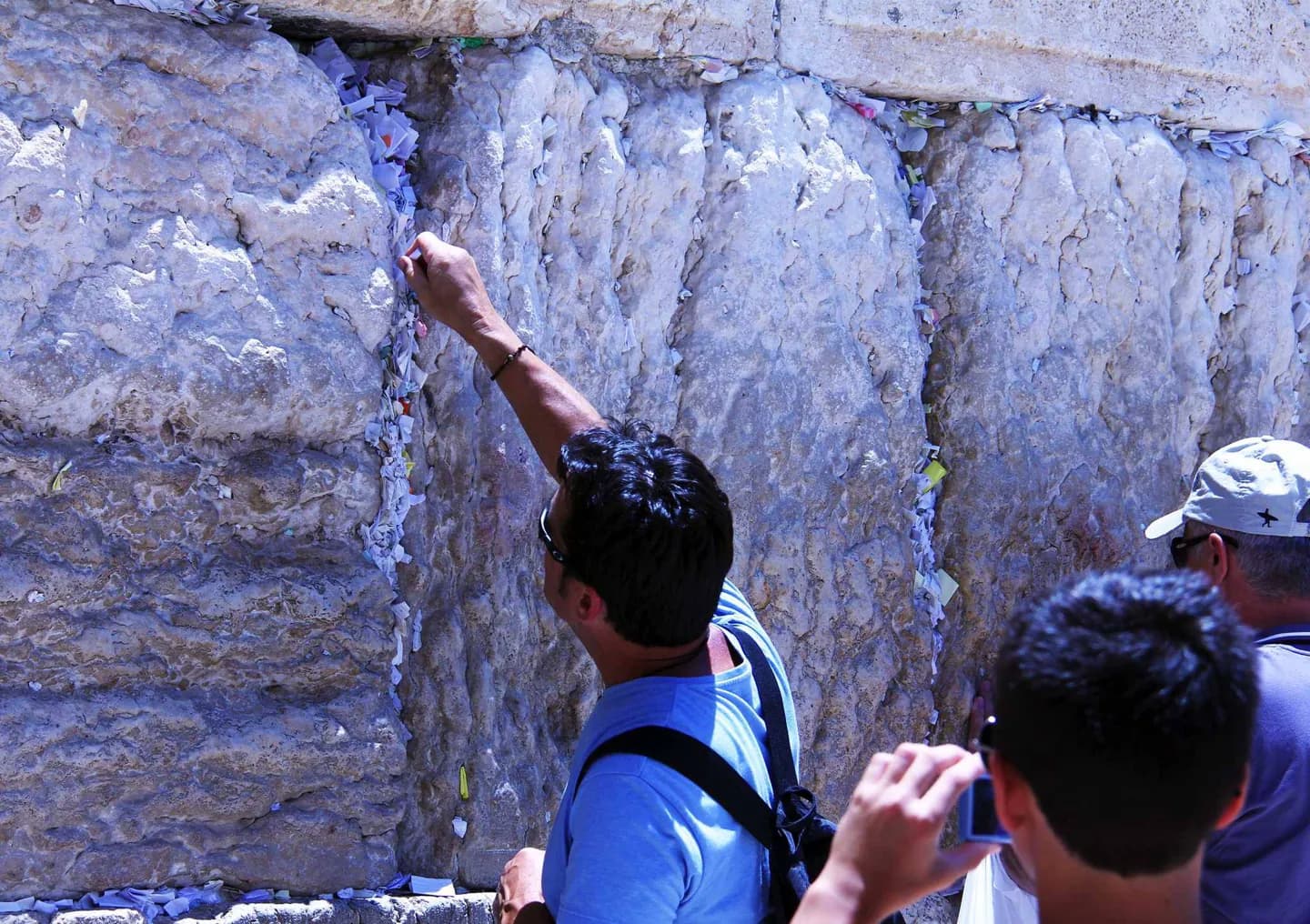
The wall is part of the retaining structure built around the Temple Mount in the late Second Temple period, rather than a surviving wall of the Temple building itself. That distinction changes what the huge stone blocks mean when you stand before them. The prayer plaza remains an active sacred space, making this a visit to living religious practice as well as ancient masonry.
What to look for
- Massive lower stone courses date to the late Second Temple period.
- The prayer plaza opens a direct view of the exposed wall.
The full story
The Western Wall is one surviving stretch of the great retaining walls around the enlarged Temple Mount platform. Its lower visible courses belong to the late Second Temple period and are associated with Herod's building program; later generations added higher layers. The ancient Temples themselves stood on the platform above, so the wall should not be mistaken for a surviving Temple wall. In Jewish tradition it became a focus of prayer and pilgrimage because of its proximity to the former Temple site. Those two roles are visible together today: monumental blocks reveal the scale of ancient construction, while the plaza remains a place of worship. A separate tunnel route follows more of the buried wall, but the exposed masonry at the plaza is enough to begin reading its history.
Useful to know
- Allow time to observe the prayer plaza respectfully before moving on to the Jewish Quarter.
- Plan the Western Wall Tunnels as a separate tour; the plaza visit does not include them.
Your next visit
Estimated · Declared scenario and planning estimates; no live opening, weather, queue or booking service.
Outdoor visit · 30–45 min
World planning estimate; admission, opening, visit duration and access need checking.