
Why go
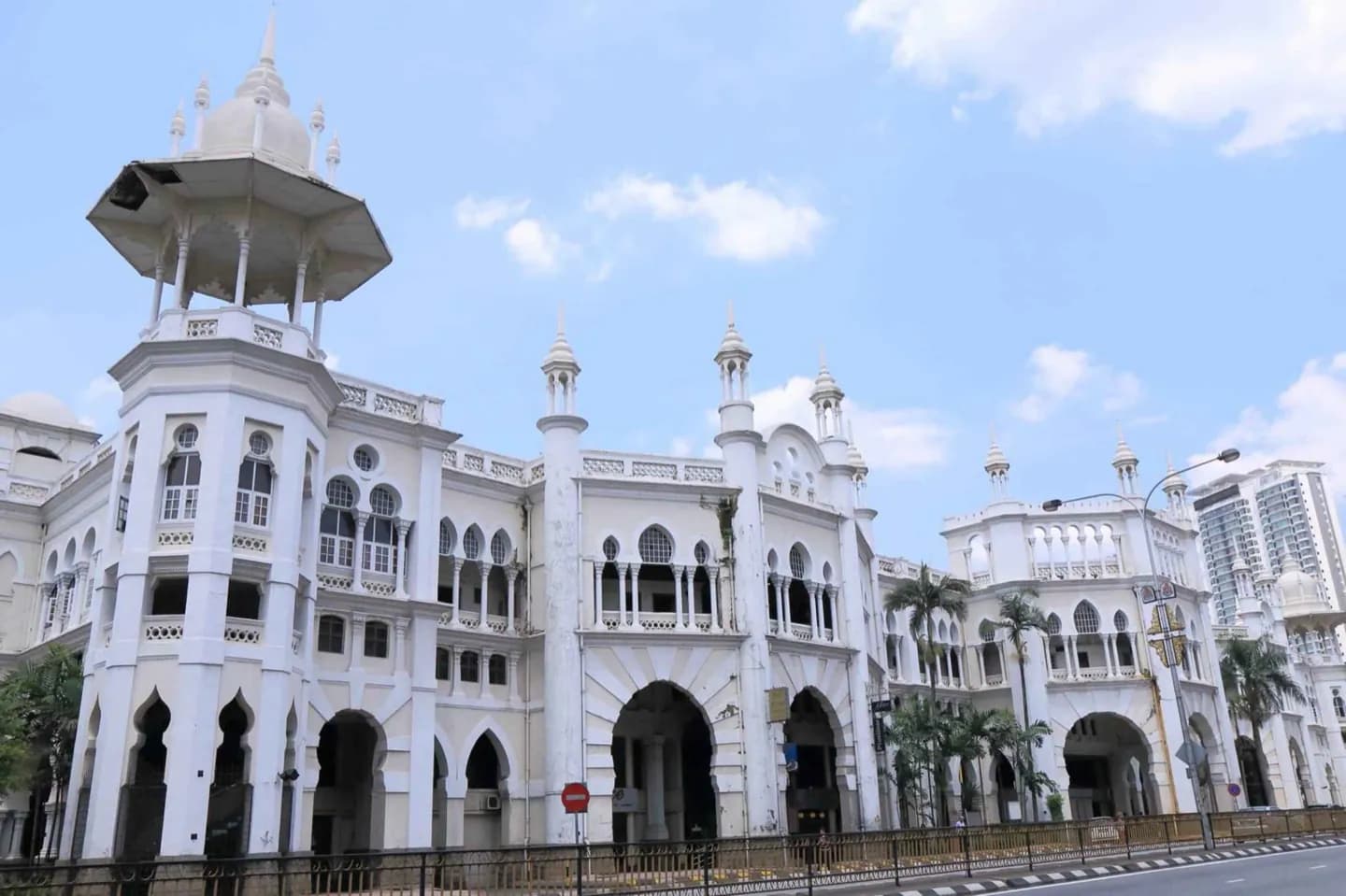
Reading Kuala Lumpur through its buildings makes the city’s growth legible. Compare the brick arches around Merdeka Square, the old railway station, post-independence national institutions and the steel-and-glass skyline. The city pairs Indo-Saracenic civic buildings, religious landmarks, tropical modernism and contemporary towers within a compact central area. The focus is Architecture Across Kuala Lumpur within its own urban and cultural setting.
The full story
Kuala Lumpur’s architecture records several phases of urban ambition. Colonial administrators commissioned civic buildings that combined European planning with arches, domes and details suited to an imperial image of the tropics. Mosques, Hindu and Chinese temples, and churches express the city’s religious communities. After independence, national museums, monuments and cultural venues introduced new symbols, while late twentieth-century towers shifted the skyline toward finance and global business. Architecture Across Kuala Lumpur provides the durable frame for this topic. The city pairs Indo-Saracenic civic buildings, religious landmarks, tropical modernism and contemporary towers within a compact central area. The focus is Architecture Across Kuala Lumpur within its own urban and cultural setting. Reading Kuala Lumpur through its buildings makes the city’s growth legible. Compare the brick arches around Merdeka Square, the old railway station, post-independence national institutions and the steel-and-glass skyline. The city pairs Indo-Saracenic civic buildings, religious landmarks, tropical modernism and contemporary towers within a compact central area. The focus is Architecture Across Kuala Lumpur within its own urban and cultural setting.