
Why go
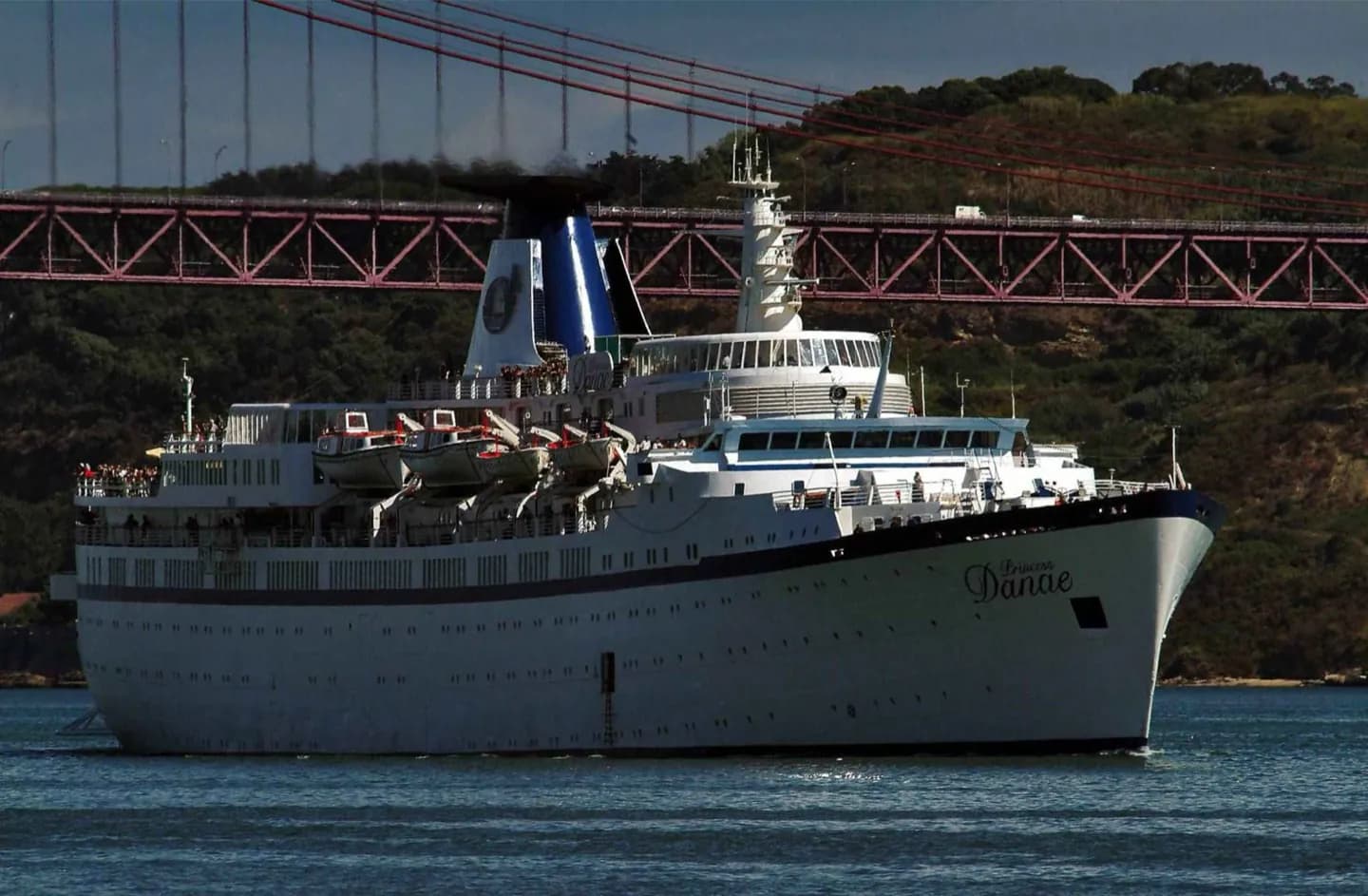
The river is both a boundary and a route into the city. Ferries connect Lisbon with Barreiro, Trafaria, Montijo and Cacilhas, so a crossing can combine a useful transfer with views of the waterfront. Cruise ships also arrive along the Lisbon side of the Tagus, but their landing points and links to the centre vary, making a live connection check worthwhile.
The full story
The Tagus has long shaped how Lisbon is approached and understood. From the water, the city is read as a riverfront of hills, docks and older districts rather than as a sequence of streets. Ferries make that perspective part of ordinary transport, linking Lisbon with Barreiro, Trafaria, Montijo and Cacilhas across the river. The crossing can therefore be more than a scenic detour: it is often the direct connection between the centre and a south-bank town. Cruise ships use several landing points on the Lisbon side, which creates a different arrival experience and makes the final transfer less uniform. In either case, the river journey is a useful reminder that Lisbon’s waterfront is not a decorative edge. It is a working corridor that connects neighbourhoods, suburbs and the city centre. Check the operating terminal and onward transport on the day, then allow the crossing to provide a first sense of Lisbon’s scale.
Useful to know
- Use a ferry when your starting point is on the south bank, then plan the onward connection from the Lisbon terminal.
- Treat a Tagus crossing as a river view as well as a transport leg.
- Confirm the current terminal and ground transport for cruise or ferry arrivals.