
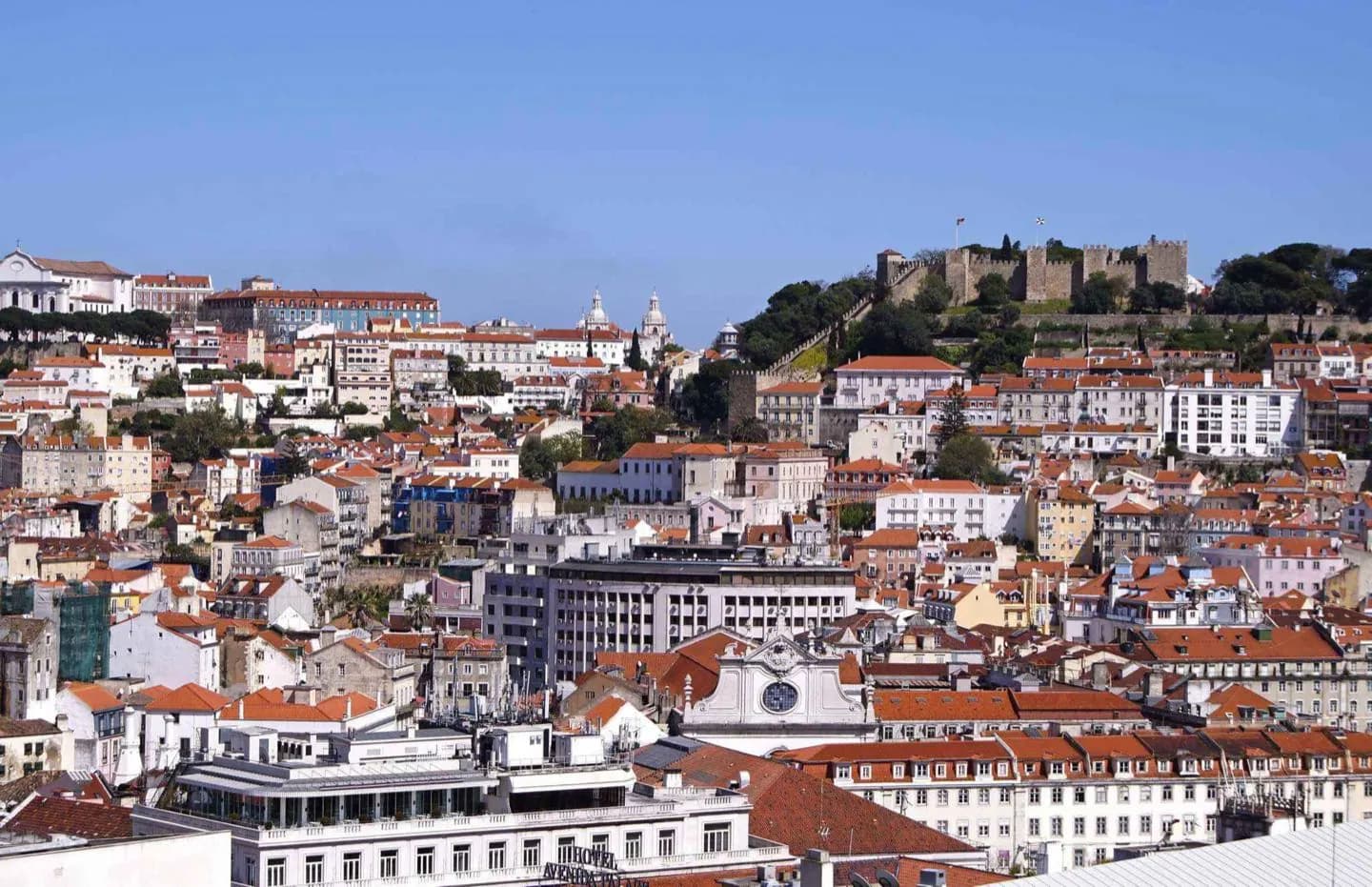
Why go
The neighborhoods are not neat administrative boxes, so their value lies in contrast rather than boundaries. Alfama holds the city’s oldest surviving street pattern; Bairro Alto combines a dense upper grid with nightlife; Alcântara connects former industrial land with the river. Selecting one of these areas adds texture that a monument-only itinerary can miss.
The full story
Lisbon is often understood through bairros, historic neighborhoods whose identities are stronger and less fixed than formal boundaries. Alfama spreads down the southern slope from Castelo de São Jorge toward the Tagus. Its name is associated with the Arabic al-hamma, meaning springs or baths, and its narrow lanes and small squares survived the 1755 earthquake better than much of the center. The quarter later became associated with fishermen, working-class life and fado. Bairro Alto occupies higher ground in the central city. Its closely built streets serve residential, shopping and evening life in different ways over the course of a day. Alcântara, once a peripheral area of estates and later factories and warehouses, developed along a different line between the center and the river. These contrasts make it sensible to choose a neighborhood by the experience sought: historic descent in Alfama, upper-street browsing or nightlife in Bairro Alto, or a river-facing industrial past in Alcântara.