
Why go
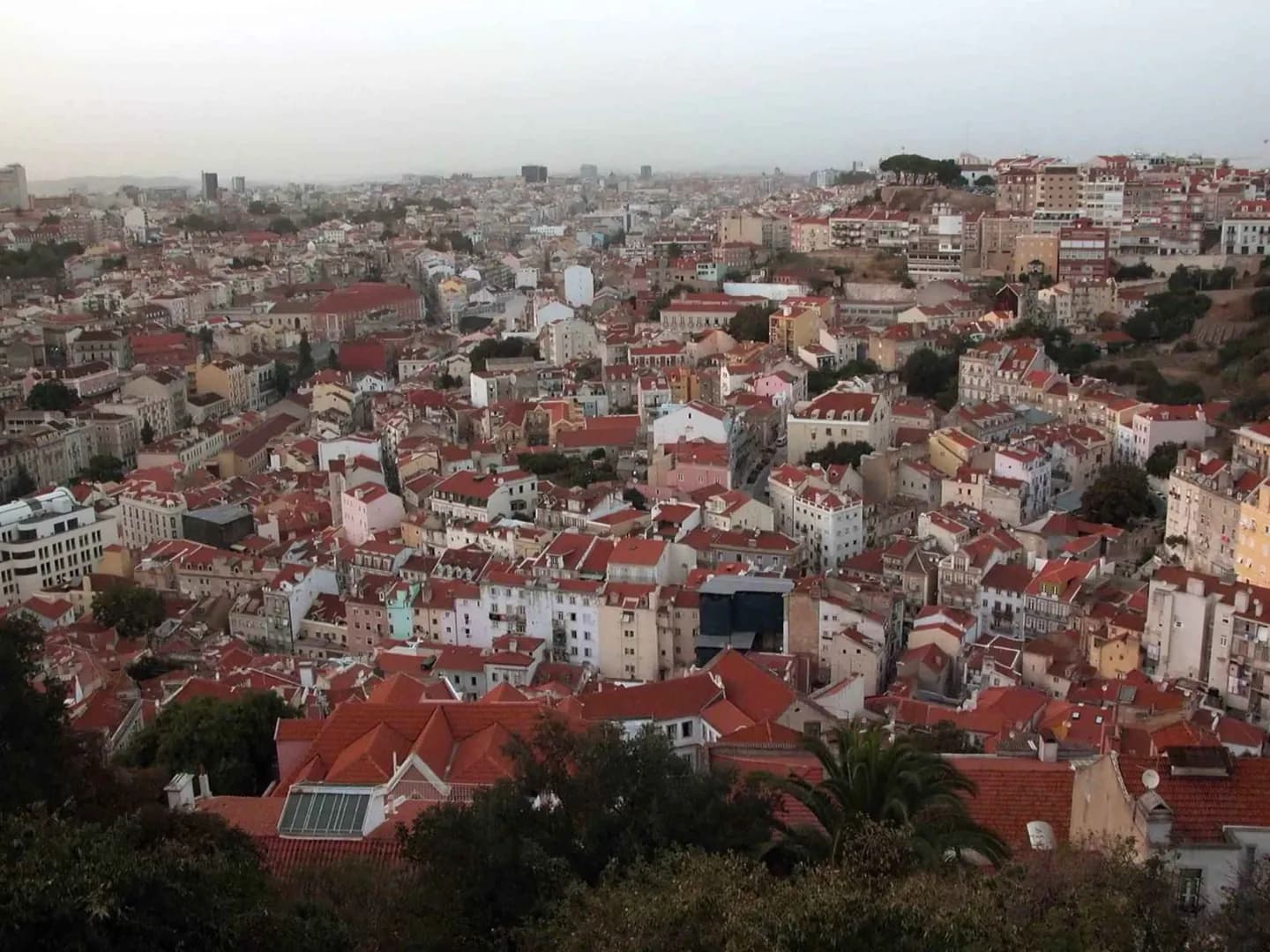
The city makes geography part of the visit. Castle slopes, the Tagus waterfront and later boulevards set up different kinds of walks, while Roman, medieval, Manueline and later buildings give those routes historical depth. It works well for travelers who want architecture and street life in the same day, provided they leave room for climbs and pauses.
The full story
Lisbon sits on the western Iberian Peninsula where the Tagus opens toward the Atlantic. Its sheltered estuary supported settlement and trade long before the modern capital took shape. The city’s long continuity helps explain its variety: Roman traces, the period of Muslim rule, the 1147 Christian reconquest and Portugal’s later maritime expansion each left a different layer in the built landscape. The city is often described through seven hills. That shorthand is more useful as a planning clue than as a fixed count. It explains why a view, a tram ride or a downhill walk can change a day quickly, and why the river is a constant orientation point. Start by choosing one hillside quarter or one stretch of waterfront, rather than trying to cross the whole city between unrelated sights.