
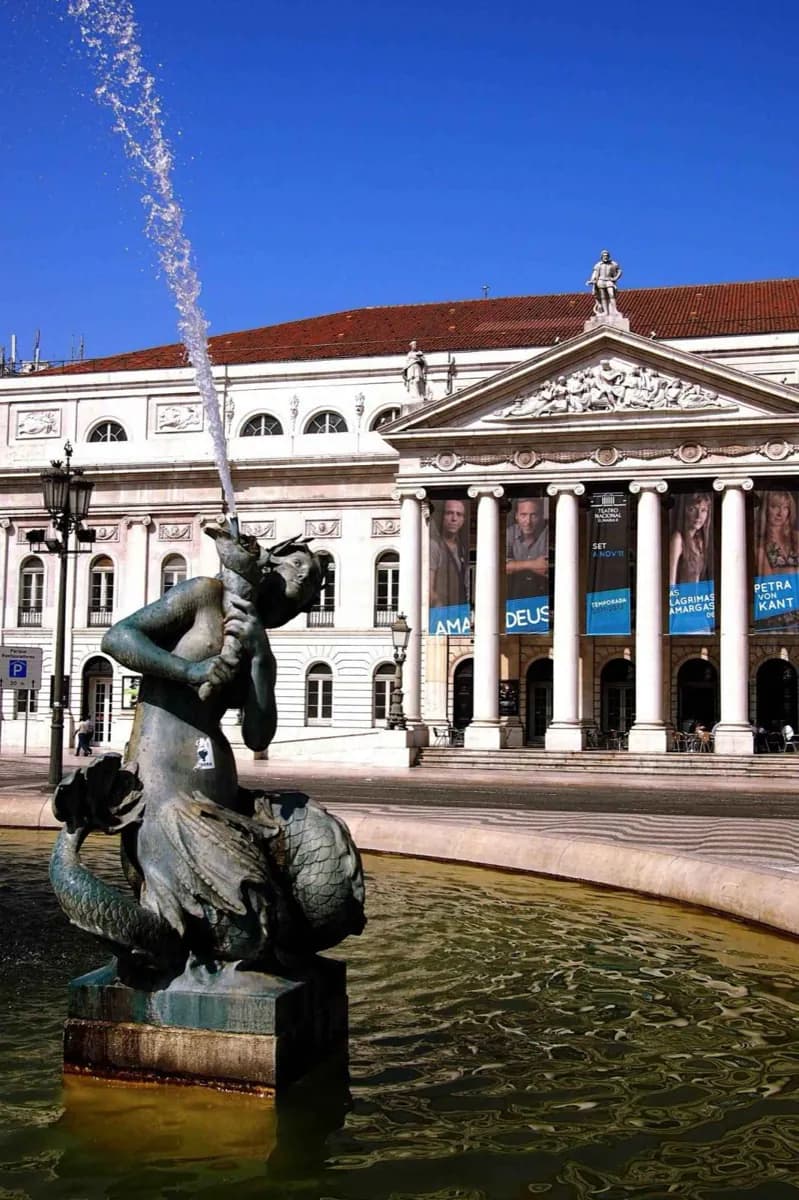
Why go
History here is not confined to museums. The castle hill, Sé Cathedral, Alfama’s lanes, Baixa’s planned streets and Belém’s monuments all show how power, trade and disaster changed the city. This context gives a traveler a reason to look beyond façades: each quarter reflects a different response to the river, defense, worship or commerce.
The full story
The Tagus estuary offered a sheltered harbor and linked coastal traffic with inland trade. Lisbon’s early origins are debated in detail, but archaeological finds beneath the medieval cathedral point to ancient occupation and contact with Phoenician traders. Under Rome, Olisipo became a municipium in Lusitania. After the western empire, the city passed through Visigothic rule and then became part of Muslim al-Andalus in the eighth century. Afonso Henriques captured Lisbon in 1147, bringing it into the expanding Portuguese kingdom. Centuries later, oceanic trade helped make Lisbon a center of royal and commercial power, visible in Belém’s Manueline monuments. The 1755 earthquake transformed another chapter into a physical one: much of Baixa was rebuilt on a regular plan, while Alfama’s older street pattern survived more visibly. Read those two areas together to see catastrophe and reconstruction side by side.