
Why go
The city offers more than a single heritage style. Romanesque, Gothic, Manueline, Baroque, modern and later buildings appear in different districts, while fado links street-level nightlife with a distinctly Portuguese musical tradition. This is useful context for travelers deciding between a museum day, an architectural walk or an evening focused on music.
The full story
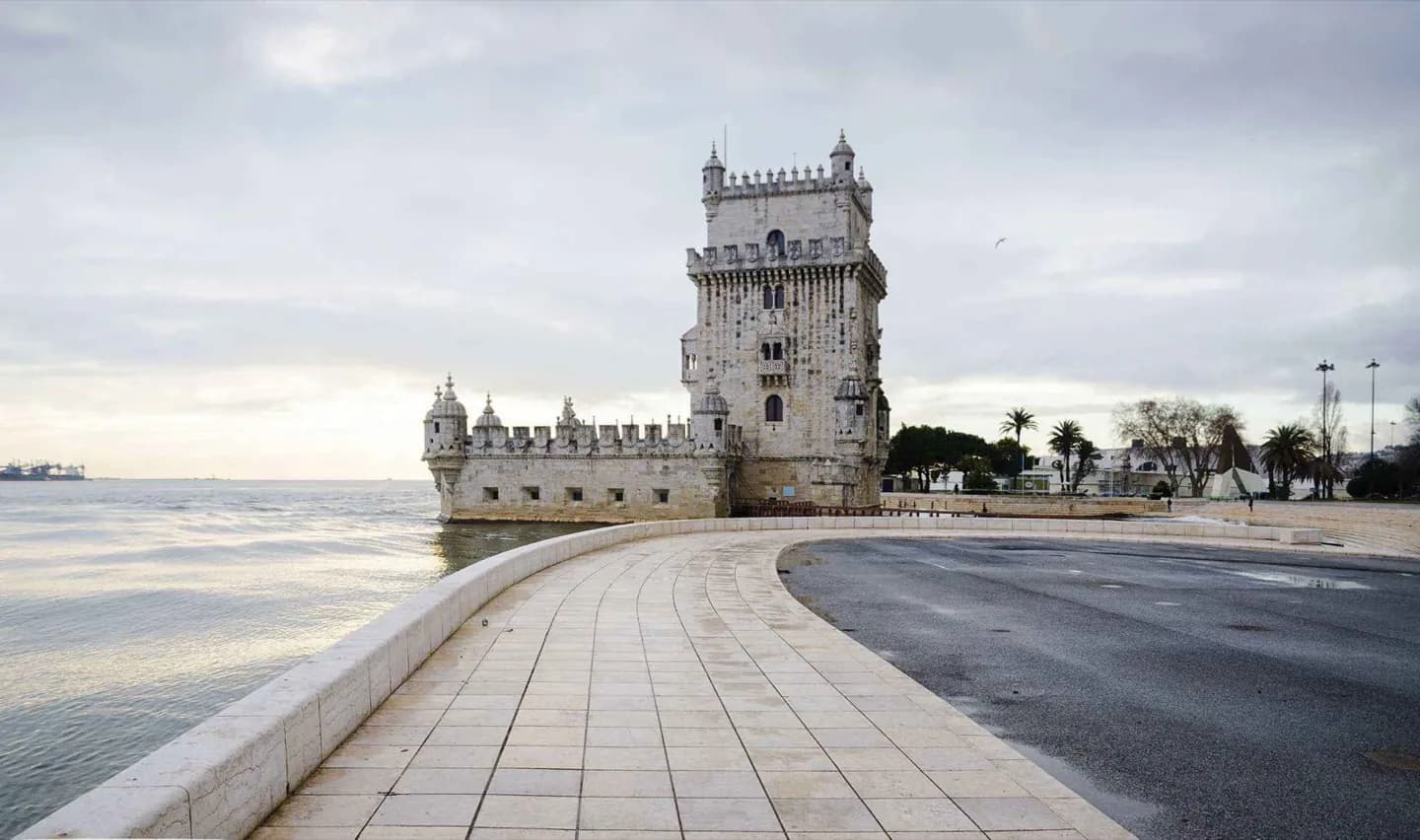
Lisbon’s architecture provides a practical timeline. Romanesque forms survive at Sé de Lisboa, Gothic and Manueline ambitions are especially visible in Belém, and Baroque churches add another layer to the older quarters. Later boulevards and modern cultural buildings show that the city’s artistic life did not stop at the historic center. Rather than trying to name every institution, use one district or period as a lens for a day. Music supplies another thread. Fado, associated with longing and urban life, is closely linked with Alfama and also appears in Bairro Alto. It is a cultural form rather than a required restaurant experience; listen when the music itself interests you, not simply because a meal is advertised with it. Lisbon also marks 13 June in honor of Santo António, a figure associated with the city, while the remains of its patron saint, Saint Vincent, are kept at the cathedral.