
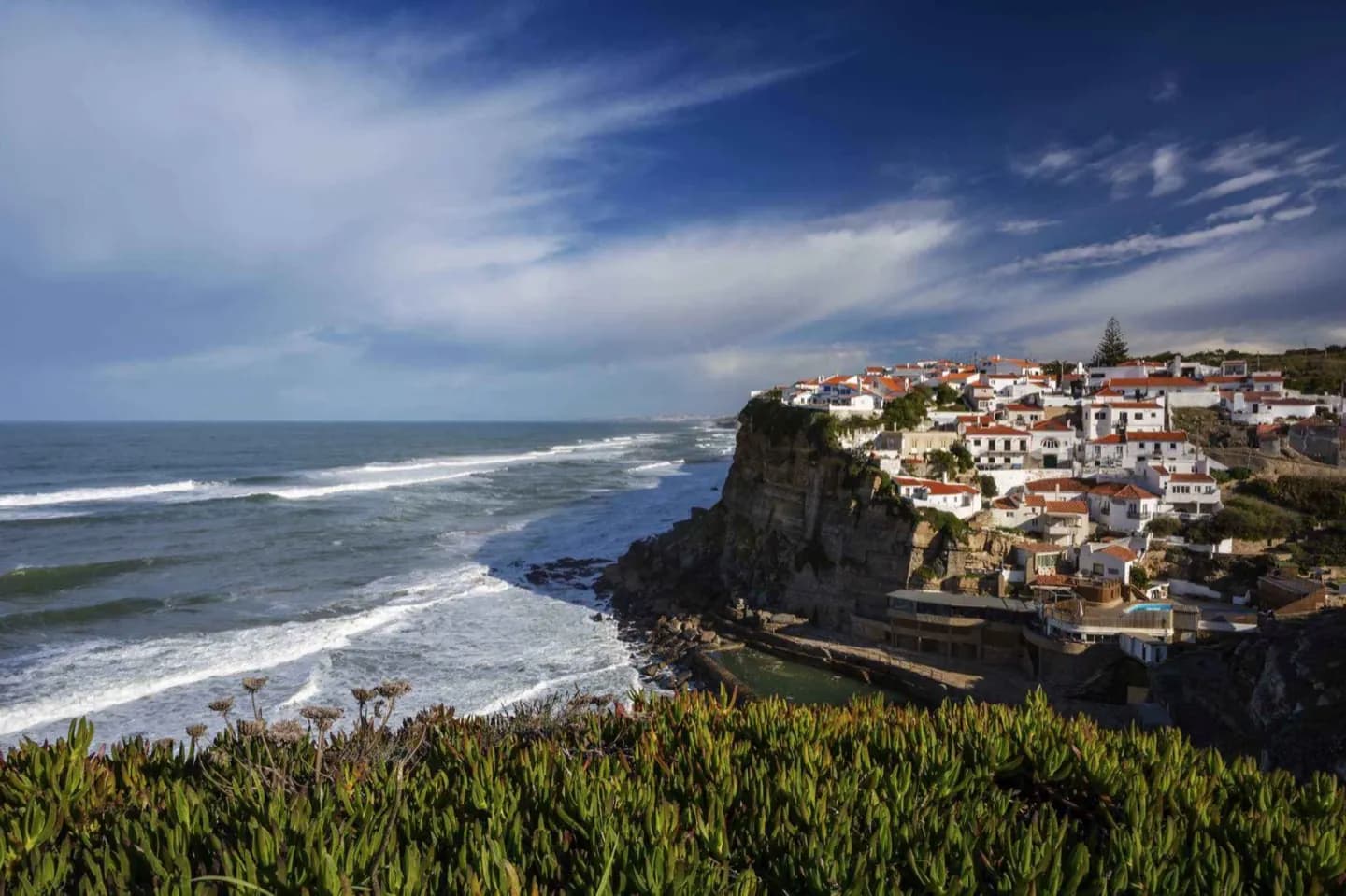
Why go
Weather affects the city’s most rewarding experiences because so much of Lisbon is walked outdoors. Summer favors longer daylight and dry streets, while winter rain can make steep paving and viewpoints less appealing. Spring and autumn offer a useful middle ground, but a warm spell can still arrive outside summer.
The full story
Lisbon has a Mediterranean climate, moderated by its Atlantic position. Rain falls mainly in winter, while summers are generally dry and sunny. January is the coldest month, though daytime temperatures are usually mild by northern European standards. August is the warmest month, when hot afternoons can make exposed riverfront walks and uphill streets tiring. These patterns are more useful than exact averages when shaping a day. In warmer months, begin with a hillside walk, church or museum before the strongest afternoon sun, then keep the broad Tagus waterfront for later light. In winter, allow for rain and choose a compact neighborhood rather than relying on long open-air connections. Conditions can change quickly enough that a current forecast should decide whether a viewpoint, a river walk or an indoor collection is the better main plan.