
Why go
A few food names make menus easier to read without reducing Portuguese cuisine to one dish. Bacalhau shows the importance of preserved cod, caldo verde turns potato and kale into a familiar soup, and cinnamon-topped rice pudding or caramel custard point toward common sweets. The blend of olive oil and seasonings reflects Mediterranean cooking and wider Portuguese connections.
The full story
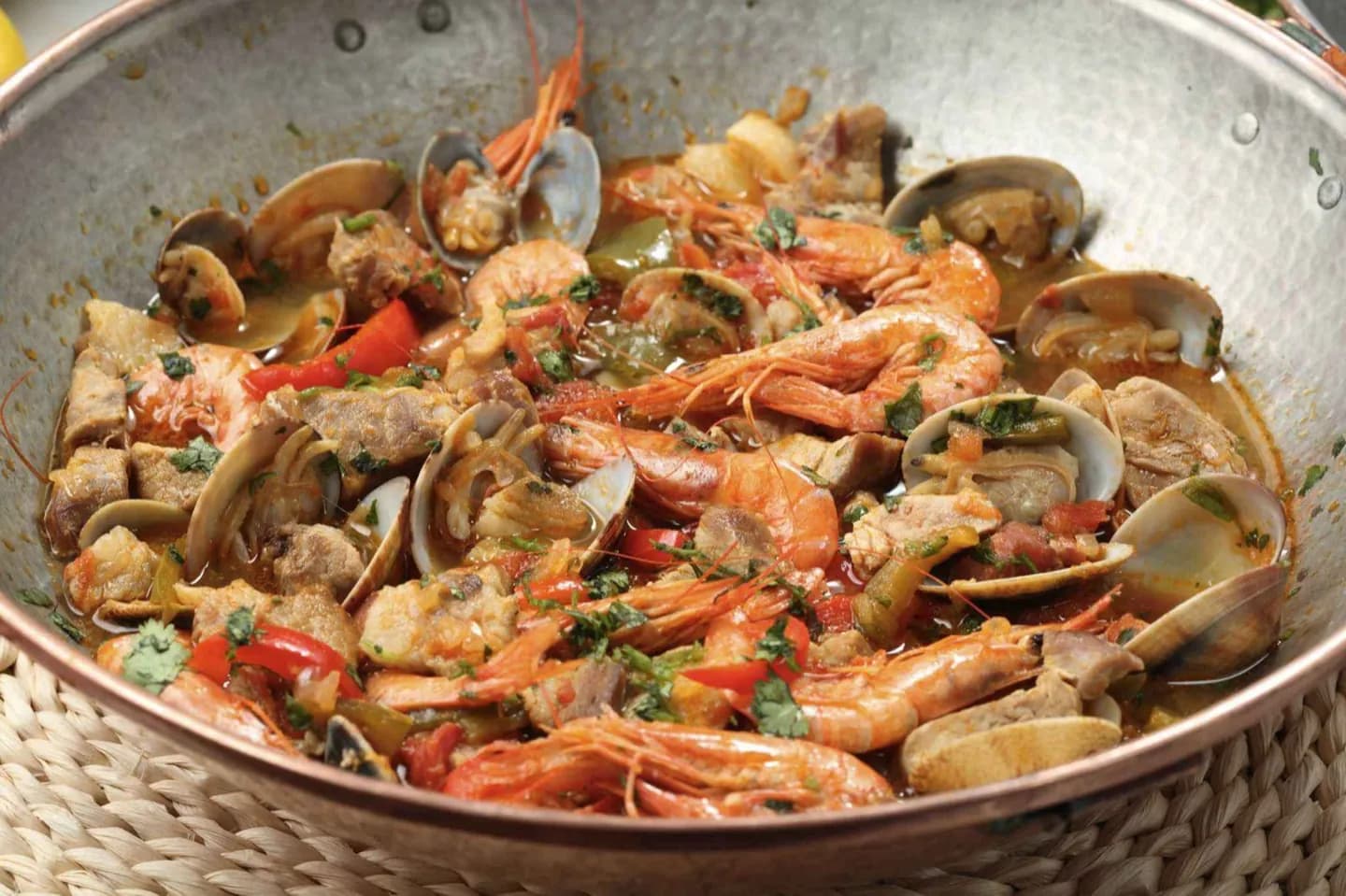
Portuguese cuisine developed around Atlantic ingredients and Mediterranean techniques, while trade and Portugal’s former overseas connections expanded the seasoning cupboard. Olive oil, garlic, coriander and parsley are common foundations. Piri piri, black pepper, cinnamon, vanilla and saffron add different kinds of warmth and fragrance. This mixture helps explain why a simple grilled fish dish and a strongly seasoned stew can both feel recognizably Portuguese. Bacalhau, or salt cod, is one of the most persistent menu references. Caldo verde combines potato, shredded kale and chouriço in a soup often served before a main course. Meals commonly begin with soup, and sweet endings may include rice pudding dusted with cinnamon or caramel custard. Bread, cheese, coffee and pastries are common breakfast choices. Use these names as a way to compare menus, then let the ingredients and preparation—not an old restaurant list—decide where to eat.