
Why go
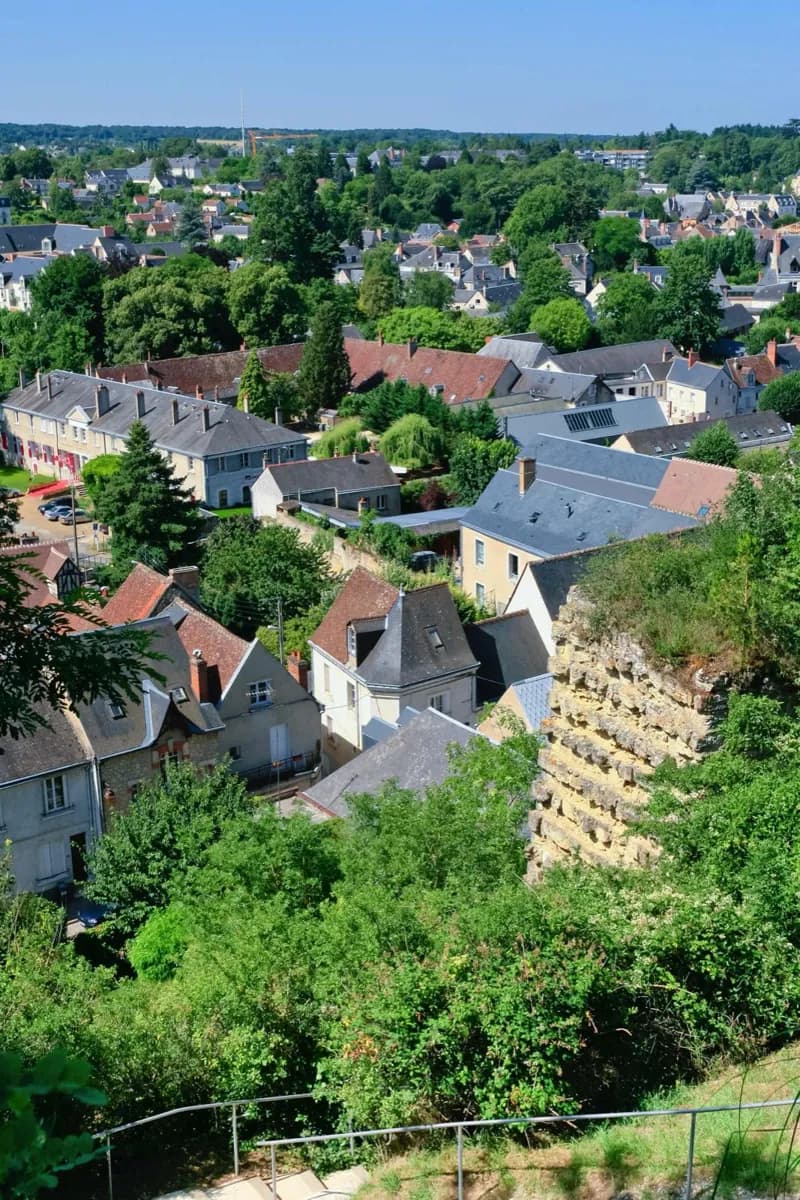
The Château d’Amboise dominates the town while Clos Lucé connects the same royal setting to Leonardo’s final years. Between them, narrow streets and timbered houses give a smaller-scale view of a place that once hosted the French court and still makes that past easy to trace.
What to look for
- The Château d’Amboise rises above the town and Loire.
- Clos Lucé recalls Leonardo da Vinci’s last years in Amboise.
- Timbered houses survive in the town’s narrow streets.
The full story
Amboise was a royal town before its most famous resident arrived. The château overlooking the Loire served the French court, and Mary Stuart spent much of her early life there while she was being raised in France. Francis I later invited Leonardo da Vinci to Amboise. Leonardo lived at Clos Lucé in his final years, so the town offers two connected perspectives: court power at the château and the life of an artist and inventor nearby. The old streets between the landmarks are part of the visit, with surviving timbered houses that bring the scale back down from royal architecture. The Pagode de Chanteloup, built outside town in the eighteenth century for the Duke of Choiseul, belongs to a different era and needs a separate outing. Read Amboise as a compact royal centre first; add the outlying pagoda only if that later history is your priority.
Useful to know
- See the château and historic streets together, then allow a separate visit for Clos Lucé.
- Chenonceau is a separate trip on the Cher; do not treat it as an Amboise town walk.