
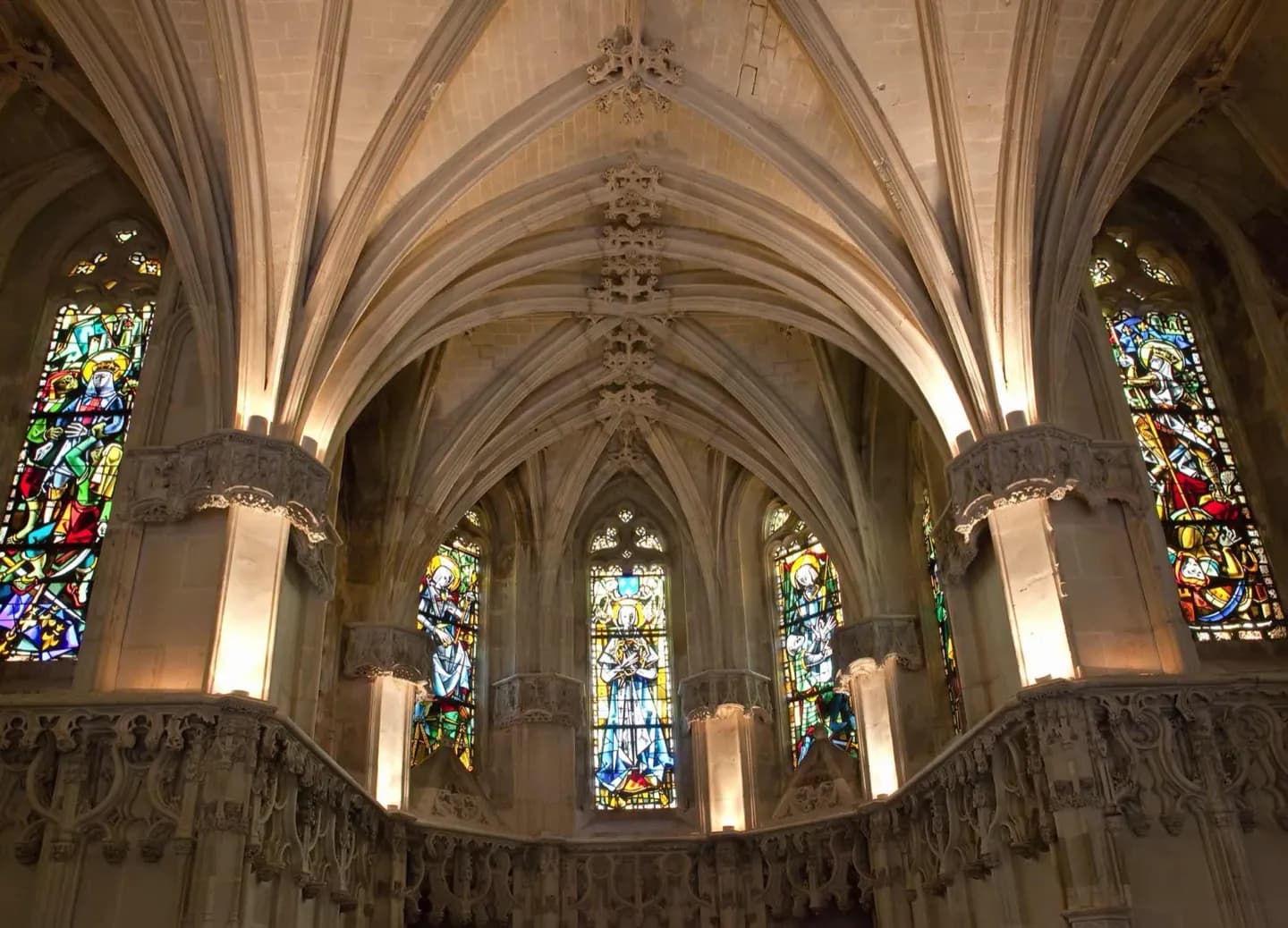
Why go
The monarchy took the site in the fifteenth century and rebuilt it as a favored residence. Its view over the river explains the older defensive position, while the remaining château lets you trace a royal story shaped by later demolition.
What to look for
- The spur above the Loire explains the castle’s commanding position.
- Surviving towers and walls frame what remains of a larger royal complex.
The full story
The high ground above the Loire made Amboise valuable long before it became a royal residence. In the Middle Ages it lay near the frontier of Angevin power, contested by neighboring lords. The French monarchy took the château in the fifteenth century and enlarged it for court life. Charles VIII died here in 1498, and the residence remained closely tied to the Valois court. Later, Henry II and Catherine de’ Medici raised their children at Amboise alongside the young Mary Stuart, future queen of Scotland. Royal favor faded after the sixteenth century. Parts of the complex were used as a prison, and revolutionary destruction followed by further nineteenth-century demolition removed much of the former palace. That loss matters when viewing the site: the surviving towers and walls show its commanding location, but they represent only part of the royal establishment that once occupied the spur. Pairing the view with that missing scale makes Amboise easier to understand.
Useful to know
- Use the river view to understand the medieval position before reading the royal history.