
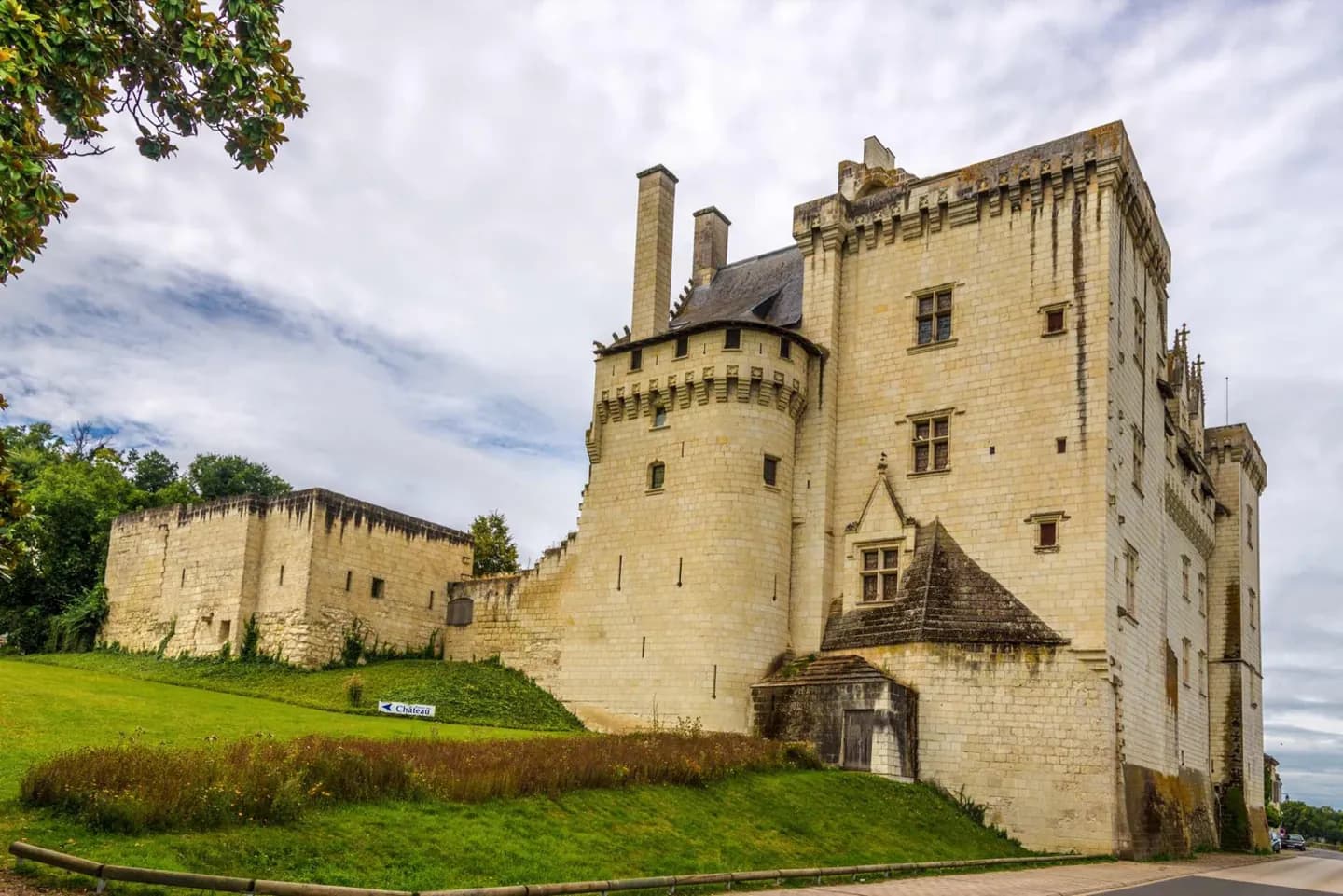
Why go
Jean de Chambes built the château in the fifteenth century where river traffic between Chinon and Saumur could be watched. Unlike many Loire châteaux set back or raised above the water, this one belongs visually to the riverbank itself. The river setting is the key to understanding the building.
What to look for
- The château sits directly by the Loire rather than high above it.
- The Loire–Vienne confluence explains its strategic position.
The full story
The château at Montsoreau was built in the mid-fifteenth century for Jean de Chambes, an adviser to Charles VII. It occupied a strategic point near the confluence of the Loire and Vienne, where river movement linked the Chinon and Saumur areas. Its direct relationship with the water sets it apart from hilltop fortresses and inland country houses. The building later entered French literary imagination through Alexandre Dumas’s La Dame de Monsoreau, though the novel should be read as fiction rather than a documentary account of château life. By the end of the nineteenth century, the property had fallen into serious disrepair and was later restored. Its museum uses have changed over time, so they should not define the durable story of the site. The fixed point is geographical: the château’s position makes sense when viewed with the rivers, and the confluence explains why this place mattered before it became a picturesque façade.
Useful to know
- Read the building from the riverside to see why its location mattered.