
Why go
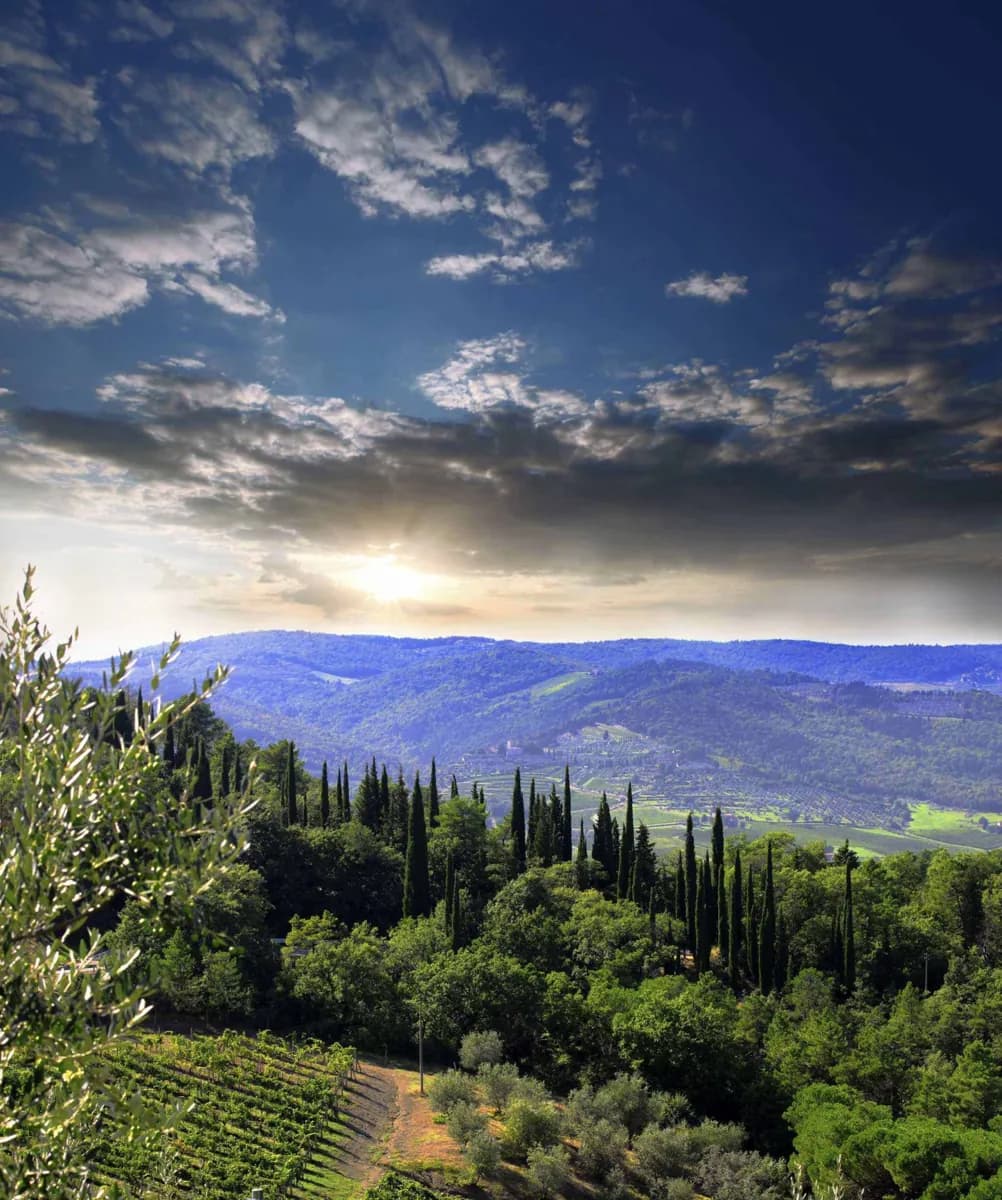
Florence gives you the Uffizi and a dense Renaissance core, while Siena and San Gimignano show different medieval cityscapes. The Val d'Orcia offers cultivated hills and small towns; Pisa brings a maritime republic's monumental square; the coast and Elba change the pace entirely. Pick a few connected areas rather than treating all Tuscany as one excursion.
What to look for
- Florence's Uffizi and Pitti Palace hold contrasting collections within the former Medici capital.
- Siena, San Gimignano and Pienza preserve distinct medieval and Renaissance townscapes.
- The Arno crosses the region toward Pisa, while Elba lies off the Tyrrhenian coast.
The full story
Tuscany's familiar Renaissance image begins in Florence, but the region tells a longer story. Etruscan settlements preceded Roman towns; medieval communes then developed their own civic identities. Florence's museums and churches show one powerful strand of that history. Siena's historic centre and the towers of San Gimignano reveal others, while Pienza and the Val d'Orcia show how town planning and cultivated countryside belong together. The land changes as much as the architecture. The Arno runs through Florence and Pisa, hills dominate much of the interior, and the Apennines rise to the north and east. Westward, the Tyrrhenian shore and Elba offer a different setting. Food and wine follow these places: Chianti, Brunello di Montalcino and Vernaccia di San Gimignano are useful names to recognize, but they are only part of the regional picture.
Useful to know
- Give Florence its own time, then group hill towns or coastal stops by area.
- Plan separately for inland hills, the Arno valley and the coast; they offer different days.