
Why go
A bicycle can connect the Rhône, Saône, Presqu'île and Tête d'Or efficiently. It is less suited to old-town cobbles, busy pedestrian streets and the steepest hill approaches, where walking or public transit is often much more comfortable and predictable overall.
What to look for
- Flatter connections along the Rhône and Saône
- Bike access toward Tête d'Or Park
- Steep terrain around Lyon's two historic hills
The full story
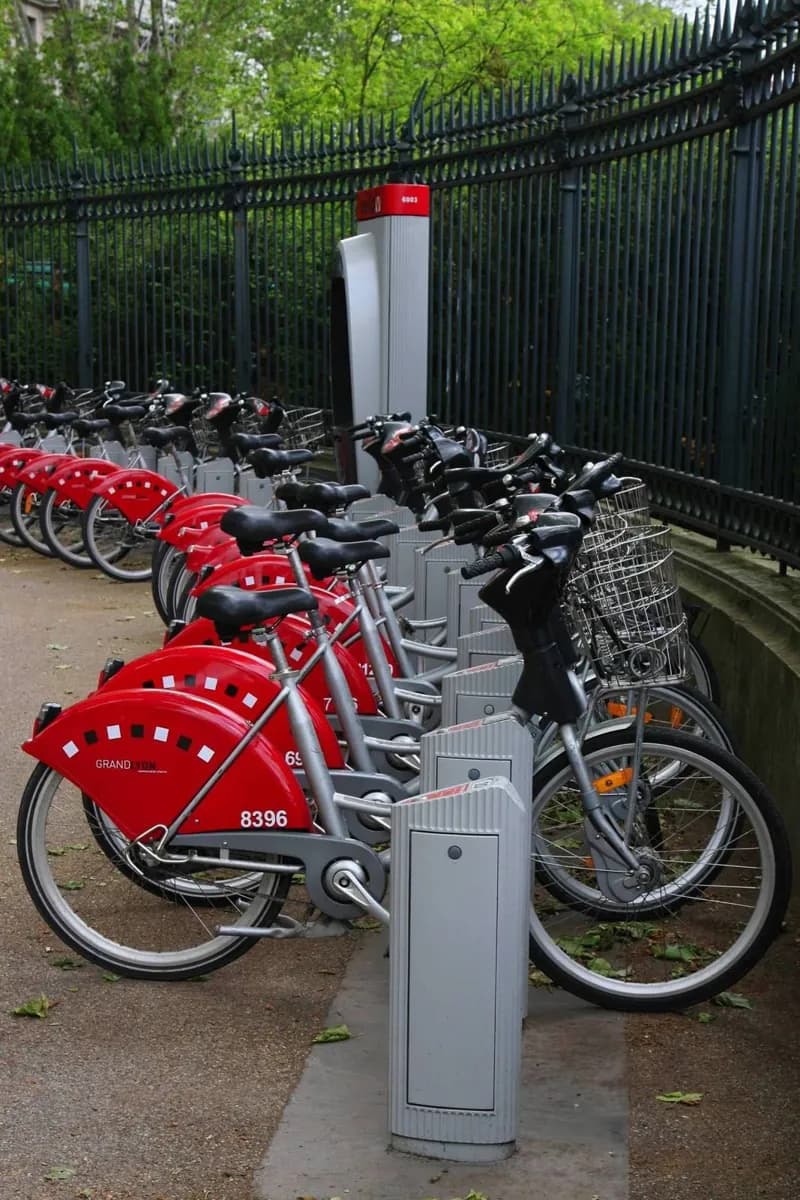
Lyon's rivers create natural cycling corridors through otherwise dense urban fabric. Flat routes can link the Presqu'île, Rhône banks, Part-Dieu edge and Tête d'Or Park with less effort than repeated transit changes. The two hills are the main constraint: Croix-Rousse and Fourvière require sustained climbing, and some approaches mix traffic, stairs or narrow streets. Vieux Lyon is better explored slowly on foot, especially where cobbles and crowds reduce comfort. The Vélo'v bike-share network can simplify one-way rides, but pricing, account requirements and station availability change. Check the live system before setting out and keep a non-bike alternative for the final climb. Returning the bicycle before entering a crowded heritage area can be safer and lets the visit continue at a slower pace.
Useful to know
- Check the current Vélo'v map and account rules before relying on bike share.
- Prefer protected river routes when they match your destination.
- Plan where to return the bike before entering Vieux Lyon on foot.