
Why go
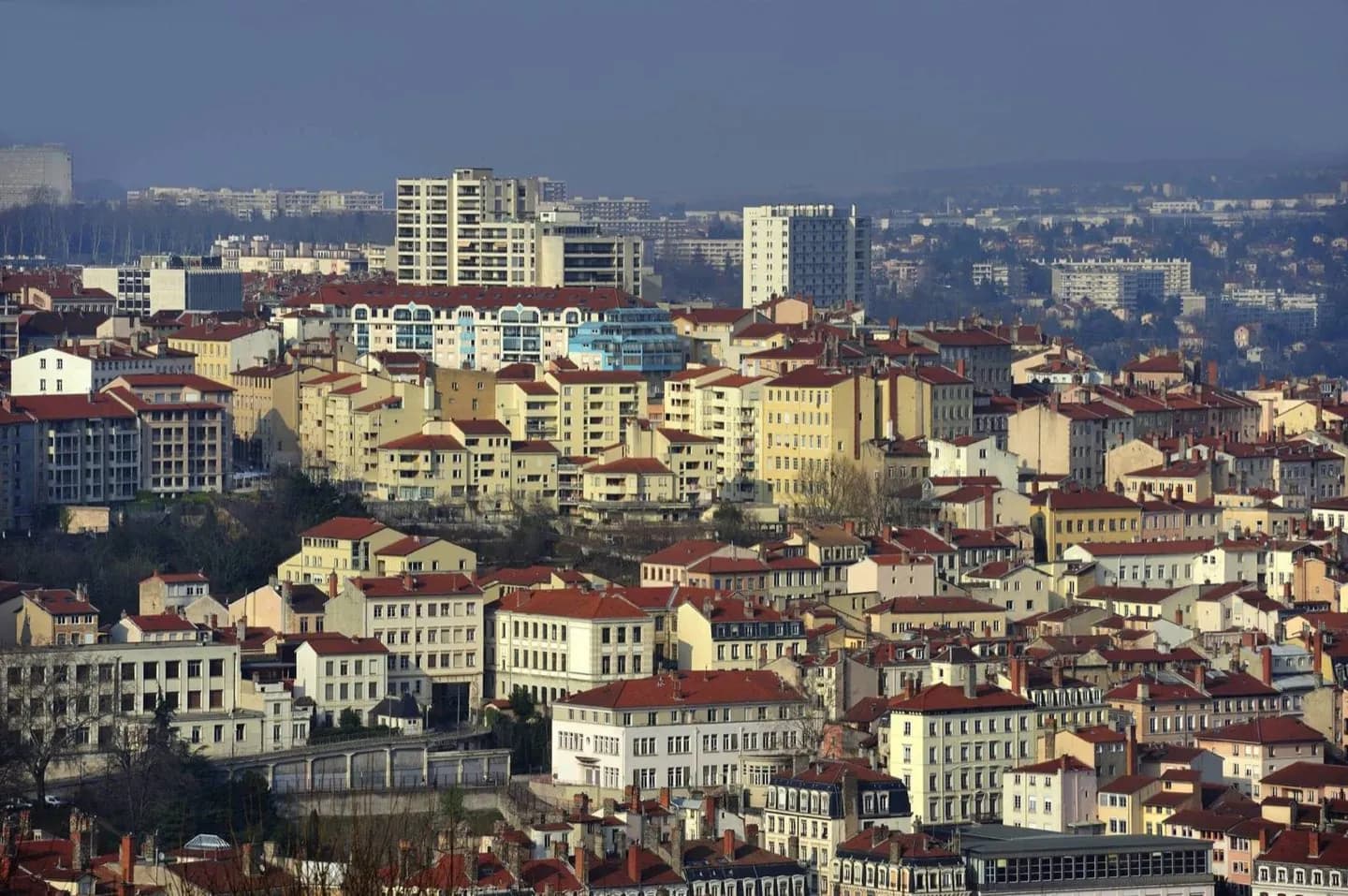
Understanding the rivers and hills makes every route easier. Fourvière holds the Roman origins, Vieux Lyon occupies the Saône bank below it, the Presqu'île forms the central spine, and Croix-Rousse rises to the north with a history shaped by silk workers and their workshops.
What to look for
- Fourvière and Vieux Lyon on the west side of the Saône
- The Presqu'île between Lyon's two rivers
- Croix-Rousse rising north of the civic center
The full story
Roman Lugdunum began on Fourvière, where the theatre complex and archaeological museum still explain the early city. Medieval and Renaissance Lyon spread along the Saône in what is now Vieux Lyon, using narrow streets, deep plots and internal passages. The Presqu'île later became the civic and commercial center between the rivers, marked by large squares and long nineteenth-century streets. North of it, Croix-Rousse developed around silk production. Its canut buildings needed tall windows and high ceilings for large looms, while traboules helped people move through steep blocks. These layers sit close together, which is why Lyon rewards walking by district instead of treating its monuments as isolated points. Crossing one bridge or climbing one slope often moves the traveler into a visibly different phase of Lyon's development.
Useful to know
- Use the rivers and hills as your main orientation system.
- Group visits by district to avoid repeated climbs and river crossings.