
Why go
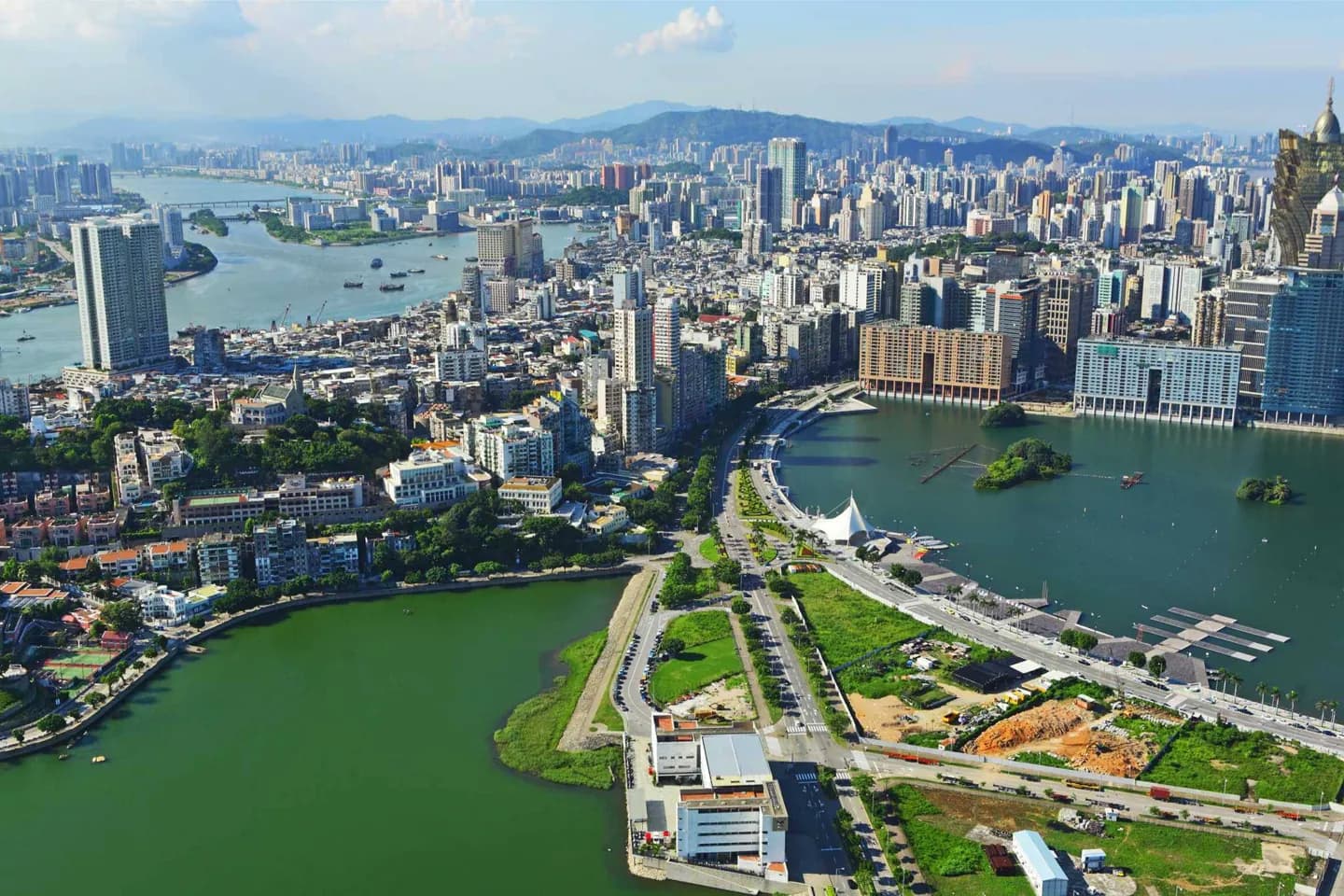
The city’s historic peninsula shows how a maritime trading settlement developed through more than four centuries of Portuguese administration alongside Chinese religious and civic life. A-Ma Temple, Senado Square and the Ruins of St Paul’s make that layered history visible in a compact walk. Use the background to notice the contrast between neighboring buildings rather than treating the old centre as a single monument.
The full story
Portuguese traders settled in Macau in the sixteenth century, and Portuguese administration continued until the 1999 handover to China. Macau is now a Special Administrative Region. That long period of contact did not produce a uniform streetscape. Around the old peninsula, Chinese temples stand near Portuguese civic buildings and churches, while the connected lanes and squares still shape how visitors move between them. Start at A-Ma Temple to see one of the city’s Chinese religious anchors. Follow the southern heritage streets toward Leal Senado and Senado Square, then climb toward the Ruins of St Paul’s. The sequence makes the city’s mixed inheritance easier to read than a list of dates: you see different building traditions serving worship, government and everyday movement within the same urban fabric.