
Why go
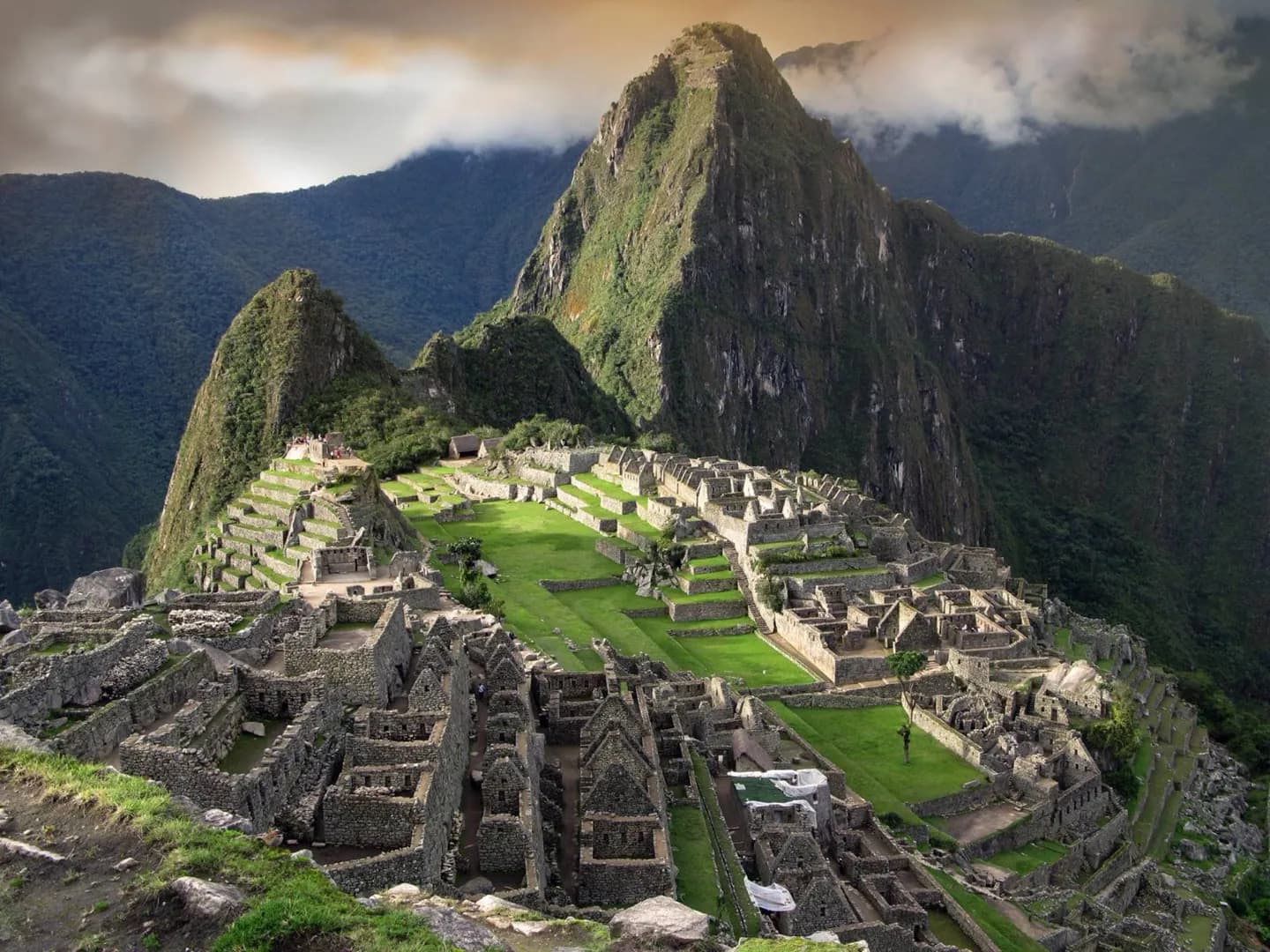
The history changes how you interpret the standing walls. The site was built when the Inca Empire was strong, rather than as a final refuge after conquest. Local people knew the place before Hiram Bingham arrived. Holding those points in mind lets you appreciate the workmanship without repeating the lost-city myth.
The full story
Machu Picchu was built in the fifteenth century, during the expansion of the Inca Empire. It is often linked to the ruler Pachacuti, though its original name and exact purpose are not settled. The quality of the masonry, terraces and water system shows a carefully planned settlement rather than an improvised refuge. Occupation ended around the period of Spanish conquest, but a simple story of sudden abandonment is harder to prove than the surviving buildings are. The Spanish did not turn the site into a colonial city, so much of its Inca form remained visible. Hiram Bingham came to Machu Picchu in 1911 with help from local people and later publicized it internationally. He was searching for the last Inca capital, a title more properly associated with Vilcabamba. Machu Picchu was therefore neither unknown to everyone nor the lost city that popular accounts made it.