
Why go
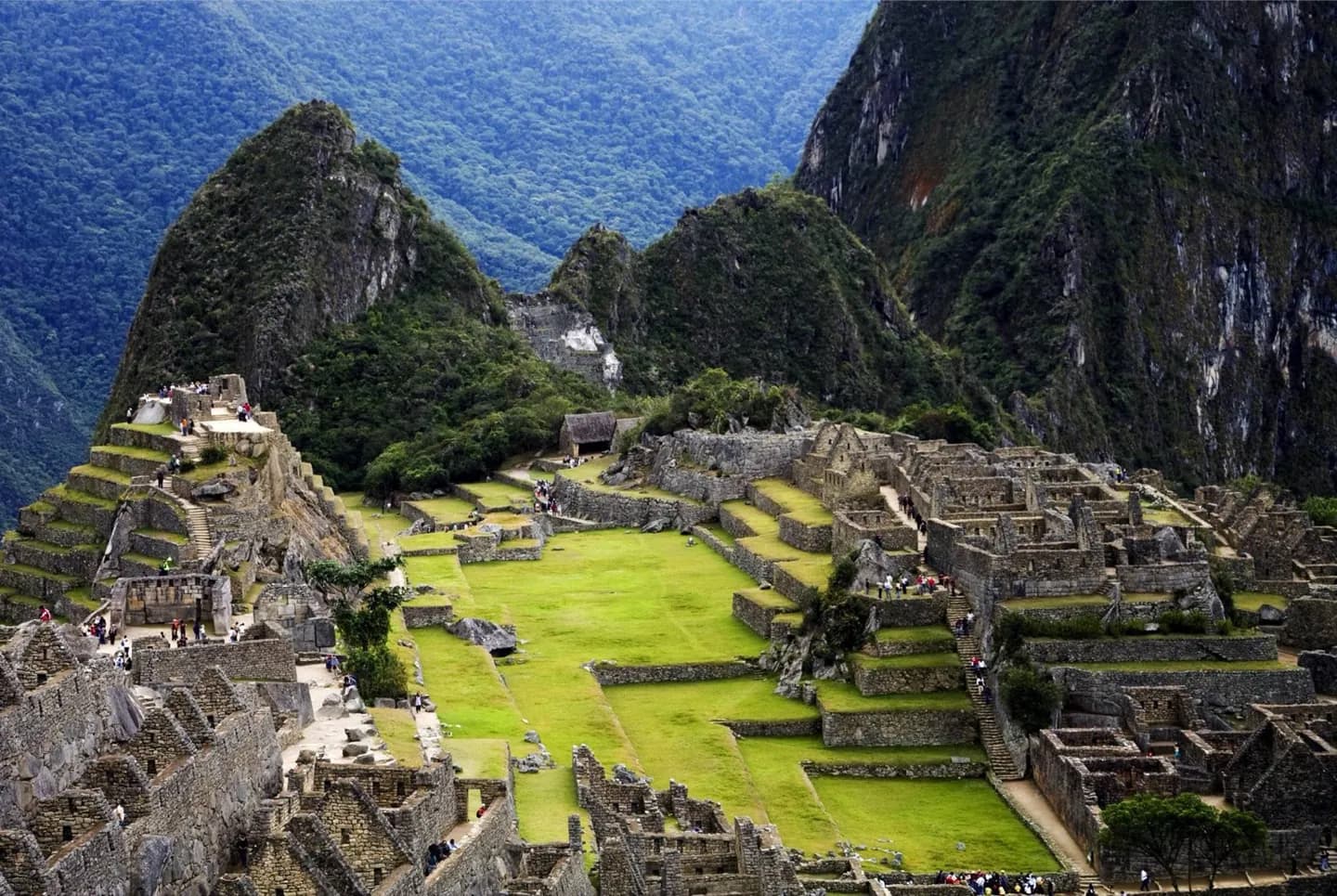
Understanding the terrain makes the buildings easier to read. Terraces give the steep slopes usable ground, while the ridge's narrow shape organizes the settlement. The river below and the mountains around it also explain why mist, rain and exposure can change the feel of a visit quickly.
The full story
Machu Picchu stands roughly 2,430 meters above sea level, considerably lower than Cusco but high above the Urubamba River. The river bends around the mountain base, and the site occupies a saddle between peaks. This is more than a dramatic backdrop. The steep land limited where buildings could sit, so the Inca shaped terraces into the slopes and connected levels with stone steps. Springs supplied water, while drainage helped carry heavy rainfall away from inhabited spaces. Mist can rise from the valley and briefly hide the wider view, then clear to reveal how tightly the settlement follows the ridge. When looking across the site, compare the broad agricultural terraces with the more concentrated built area. That contrast shows how farming, water and movement were organized in a place where flat land was scarce.
Useful to know
- Expect conditions on the ridge to differ from those in Cusco or the valley below.
- Plan for wet stone and changing visibility when choosing footwear and a viewing stop.
- Leave time to look across the terraces before concentrating on individual buildings.