
Why go
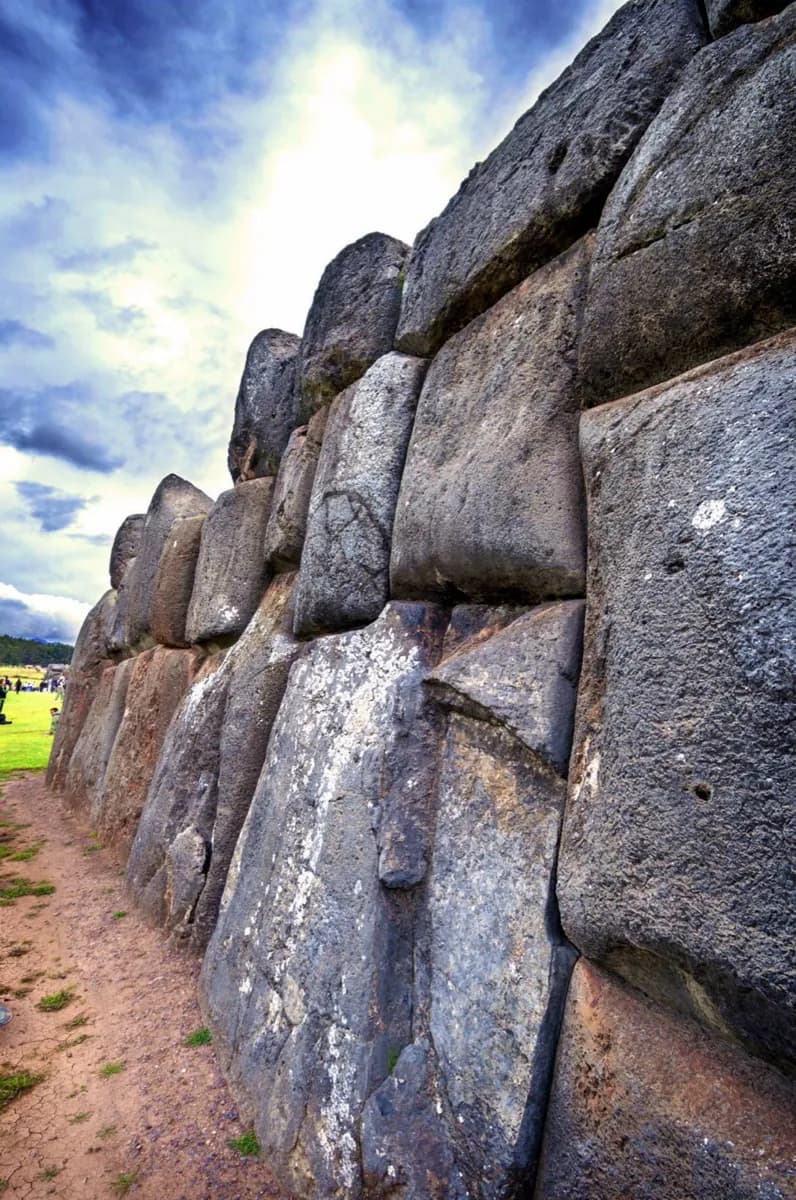
Vitcos gives the history of Manco Inca's exile a physical setting. The buildings at Rosaspata occupy a hill between Huancacalle and Pucyara, with the wider complex extending into the neighboring valleys. Look beyond the walls to the slopes and terraces; their spread helps explain why this was more than an isolated palace.
What to look for
- Inca buildings stand on the hill above Huancacalle and Pucyara.
- Terraces extend along the eastern side of the hill into the valley.
- The surrounding landscape places the ruins within the wider Vilcabamba complex.
The full story
Vitcos is closely associated with Manco Inca, who withdrew into Vilcabamba during the Spanish conquest. The surviving accounts and the site itself have prompted different explanations of its origins. One interpretation sees an earlier residence later used by Manco; another holds that it was built during his years of exile. The buildings at Rosaspata form part of a larger landscape rather than a single ruin. South of the hill is the carved stone known as Chuqip'allta, described in accounts as an oracle, while terraces run along the eastern side. These features are a reason to look at the whole hillside as well as the masonry. In 1911, Hiram Bingham reached Rosaspata with the help of descriptions and a place name already used by local residents. His mapping brought renewed outside attention to Vitcos, but did not make it an unknown place.
Useful to know
- Allow for the road journey to Huancacalle separately from the roughly 2.3 km foot approach to Rosaspata.
- Check current admission and access arrangements with the Cusco cultural authority before making the remote journey.
Your next visit
Estimated · Declared scenario and planning estimates; no live opening, weather, queue or booking service.
Outdoor visit · 30–45 min
World planning estimate; admission, opening, visit duration and access need checking.