
Why go
The useful decision is geographic and culinary: market browsing in the centre differs from grilled sardines beside eastern beaches. Focusing on dishes and neighborhoods avoids relying on a stale list of named restaurants. This distinction gives Eating in Málaga a clearer place in a realistic Málaga plan.
The full story
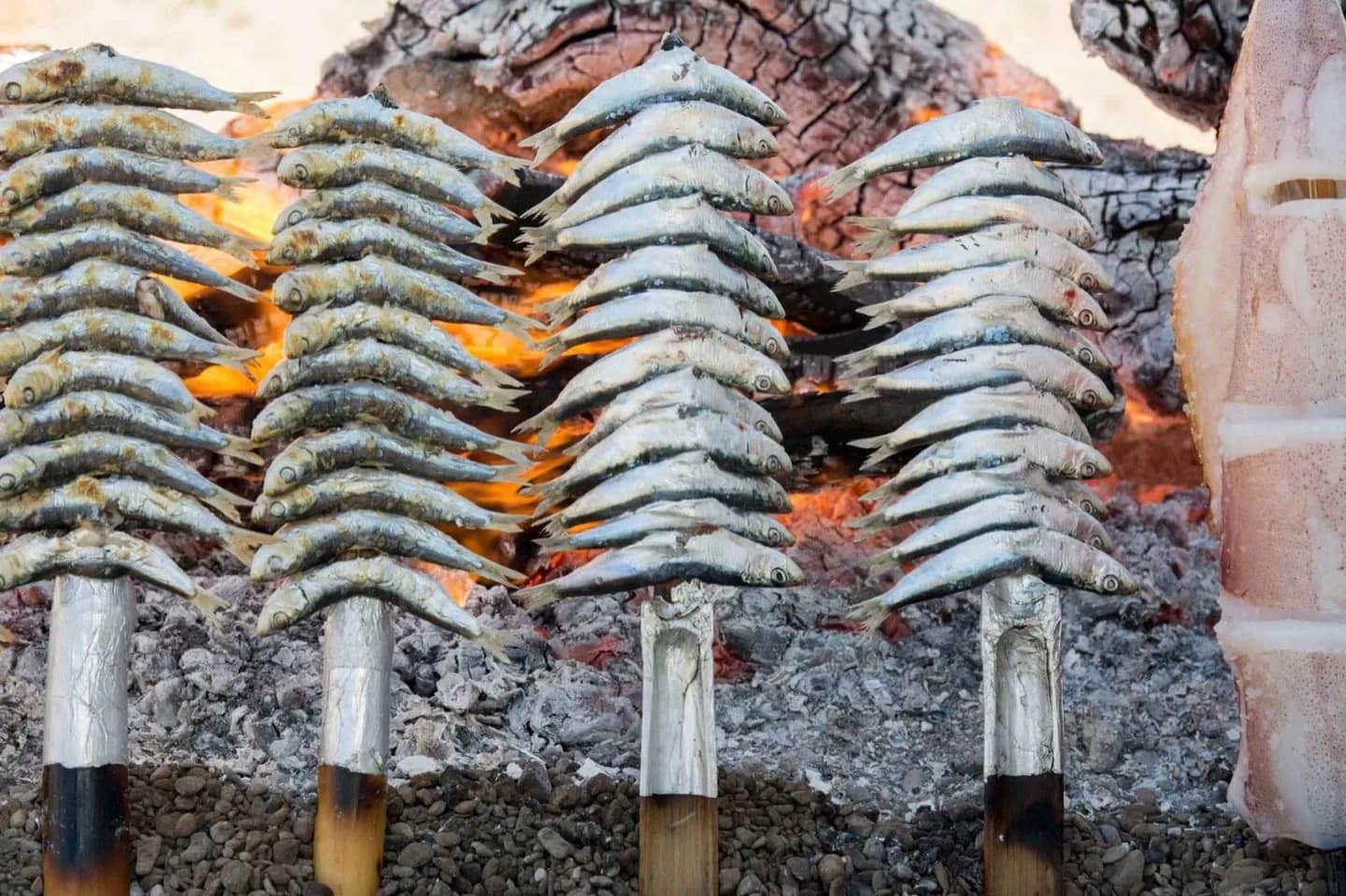
Begin with the setting. Atarazanas Market shows the city's everyday ingredients and preserves an architectural link to the old port. Central bars may suit a sequence of small dishes, but crowd levels and style vary street by street. Along Pedregalejo and El Palo, espetos—fish skewered and grilled beside the sand—belong to the beach landscape as much as the plate. Fried fish is another local thread, while Málaga's sweet wines connect the city with vineyards in the province. Menus, opening days and business quality change, so look for current information rather than treating an old recommendation as permanent. Ask what fish is available and understand whether dishes are priced by portion or weight before ordering. In hot weather, place a substantial meal after the most exposed walk. One market visit, one central tasting and one eastern-coast meal reveal more range than repeating similar tourist menus around the cathedral.