
Why go
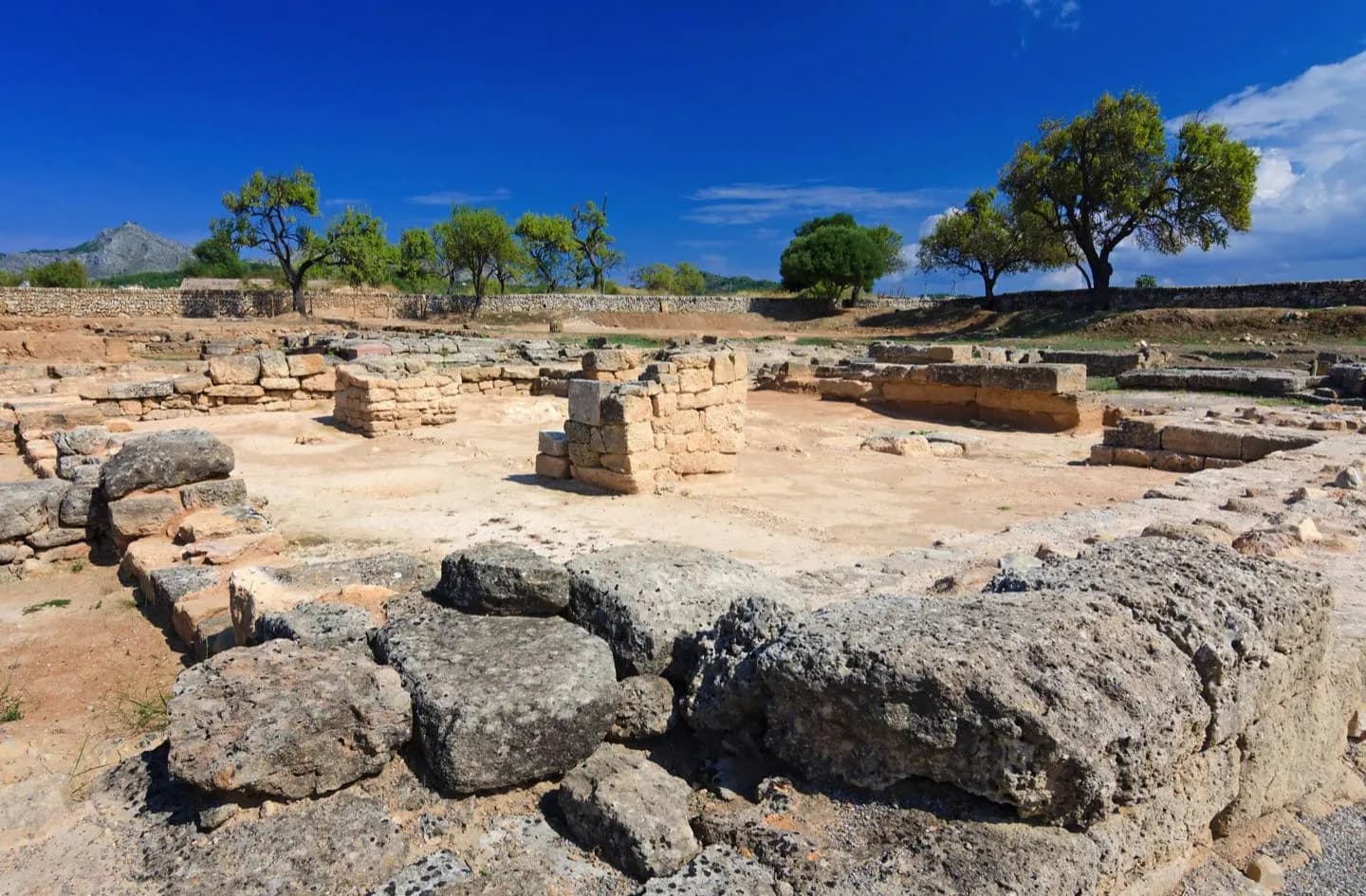
This history connects places that can otherwise feel unrelated. Ses Païsses reveals prehistoric construction, Pollentia anchors the Roman period, Palma preserves traces of Medina Mayurqa, and later castles and sanctuaries show how Christian rule reshaped the island. Use How Mallorca's History Shaped the Island for a wider comparison. Let How Mallorca's History Shaped the Island show how local terrain works; How Mallorca's History Shaped the Island also shows how history shapes How Mallorca's History Shaped the Island today.
The full story
People settled Mallorca long before written records, leaving burial chambers, villages and monumental Talaiotic stone structures. Rome took control in 123 BCE and established Pollentia as an important town near Alcúdia. After late-antique upheaval and Byzantine rule, Islamic Mallorca developed around Madina Mayurqa, today’s Palma, with agriculture supported by careful water management. James I of Aragon conquered the island in 1229. The new Kingdom of Mallorca left Gothic churches, royal buildings and fortified towns, even as older street patterns and reused structures survived beneath them. Later centuries brought coastal defenses, conflict within Palma, expanding trade and the gradual integration of the island into modern Spain. Twentieth-century tourism transformed the economy and coast, but the earlier layers remain visible in walls, courtyards, field terraces and place names.