
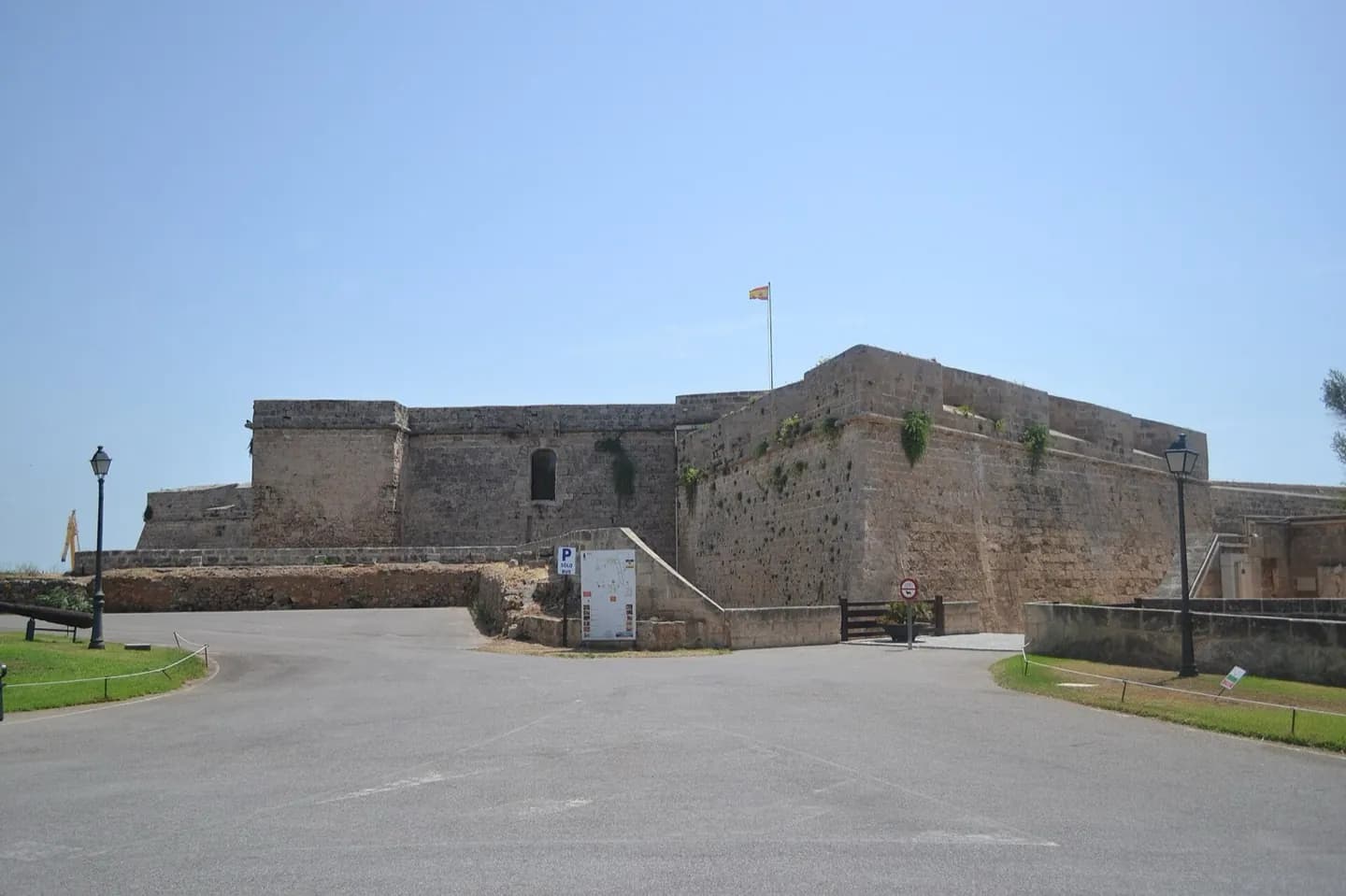
Why go
The fortress developed from an early seventeenth-century coastal stronghold built to protect Palma’s port and now contains a museum of military history. The visit connects defensive architecture, historic artillery and harbor views. It suits a history-and-architecture day, especially when the larger setting matters as much as individual details.
What to look for
- Defensive architecture.
- Historic artillery and harbor views.
The full story
The fortress developed from an early seventeenth-century coastal stronghold built to protect Palma’s port and now contains a museum of military history. Today, Castell de Sant Carles is best understood through defensive architecture, historic artillery and harbor views. The wider Castell de Sant Carles context is a coastal fortress and military museum overlooking Palma’s port approaches. Begin outside, where orientation explains the building’s position, then move inward and compare structure, decoration and later interventions. The most useful final look is back toward the entrance: it reveals how the parts form a deliberate sequence. That progression makes the monument more than a collection of famous details and ties it to the city around it. Before leaving Castell de Sant Carles, set its arrival image—defensive architecture—against its closing image: a coastal fortress and military museum overlooking Palma’s port approaches.
Useful to know
- Confirm access because the site lies beyond the central walking area.
- Combine it with another western Palma stop.
Your next visit
Estimated · Declared scenario and planning estimates; no live opening, weather, queue or booking service.
Indoor visit · 45–90 min
World planning estimate; admission, opening, visit duration and access need checking.