
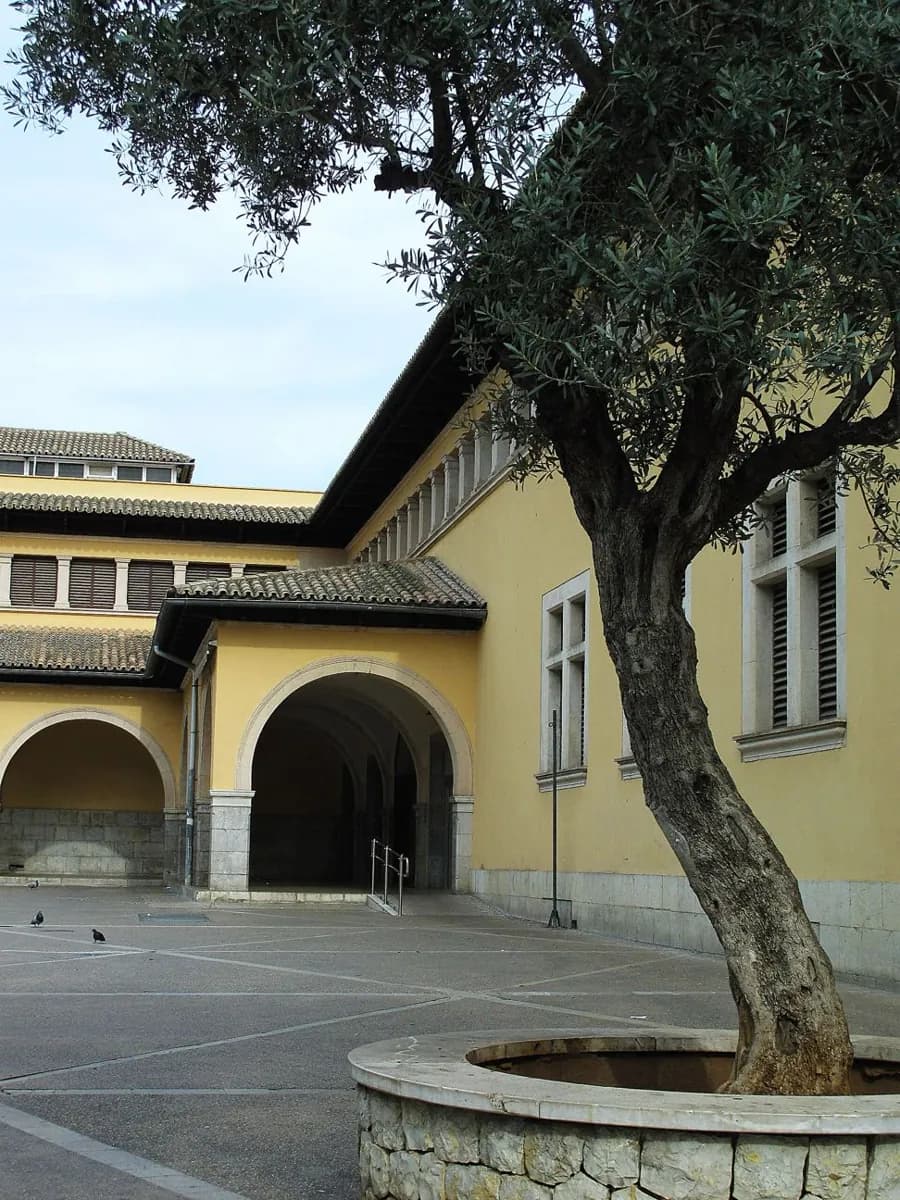
Why go
Palma’s central market has served everyday shopping since the mid-twentieth century, bringing fish, produce, meat and prepared food into a busy covered hall. The visit connects seafood counters, seasonal produce and the rhythm of morning shopping. Come for an active cultural setting where observation of people and place adds meaning to the objects on view.
What to look for
- Seafood counters.
- Seasonal produce and the rhythm of morning shopping.
The full story
Palma’s central market has served everyday shopping since the mid-twentieth century, bringing fish, produce, meat and prepared food into a busy covered hall. Today, Mercat de l'Olivar is best understood through seafood counters, seasonal produce and the rhythm of morning shopping. The wider Mercat de l'Olivar context is Palma’s large central food market, where produce, fish, meat and prepared bites share one hall. Observe how local routines shape the space before concentrating on individual objects or stalls. Movement, conversation and repeated daily use are part of the cultural evidence. The visit becomes richer when goods, architecture and neighborhood life are considered together, because each explains why the place continues to matter beyond its historic origins. Before leaving Mercat de l'Olivar, set its arrival image—seafood counters—against its closing image: Palma’s large central food market.
Useful to know
- Go in the morning when the market is fully active.
- Browse first before choosing a counter or prepared-food stop.
Your next visit
Estimated · Declared scenario and planning estimates; no live opening, weather, queue or booking service.
Outdoor visit · 30–60 min
World planning estimate; admission, opening, visit duration and access need checking.