
Why go
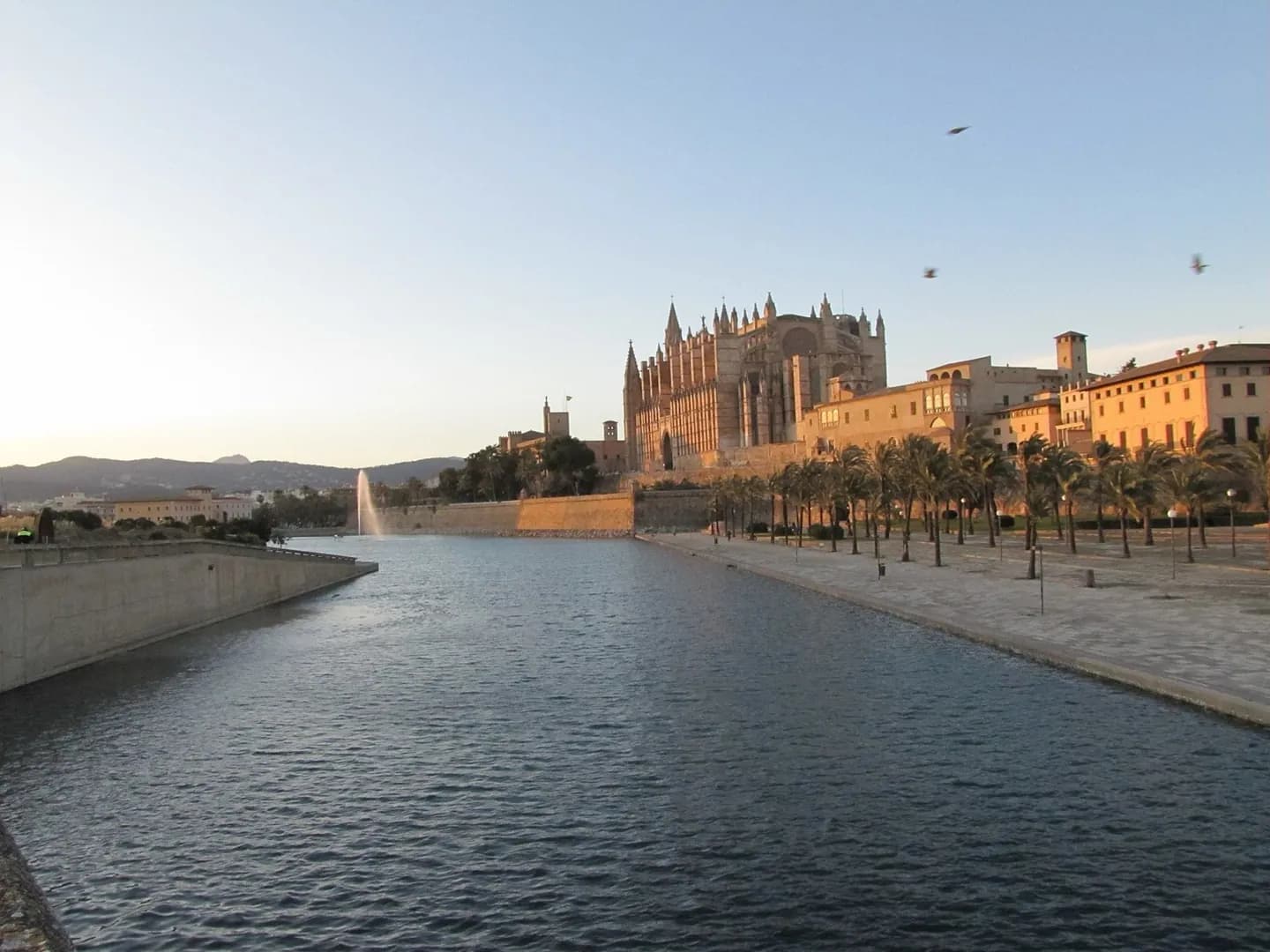
Created after the shoreline road separated the cathedral from the sea, the park uses water, palms and open paving to restore a visual dialogue with La Seu. The visit connects cathedral reflections, open lawns and changing views along the water. Its value comes from seeing a working civic place rather than an attraction isolated from everyday Palma.
What to look for
- Cathedral reflections.
- Open lawns and changing views along the water.
The full story
Created after the shoreline road separated the cathedral from the sea, the park uses water, palms and open paving to restore a visual dialogue with La Seu. Today, Parc de la Mar is best understood through cathedral reflections, open lawns and changing views along the water. The wider Parc de la Mar context is Palma’s broad waterfront foreground for La Seu and the old city walls. Watch how the place operates within Palma’s present-day street life. Entrances, gathering points and nearby routes show whether the original civic role has disappeared or simply changed form. Looking beyond the interior prevents the visit from becoming a static design exercise and connects the building to the neighborhood that continues to use it. Before leaving Parc de la Mar, set its arrival image—cathedral reflections—against its closing image: Palma’s broad waterfront foreground for La Seu and the old city walls.
Useful to know
- Walk the park before entering the cathedral quarter.
- Return near sunset for softer light and a cooler stroll.
Your next visit
Estimated · Declared scenario and planning estimates; no live opening, weather, queue or booking service.
Outdoor visit · 10–15 min
Public-space walk and exterior observation only; no interior, garden, tower or ticketed admission included. Durations and walking are estimates. Check temporary restrictions and park or market opening times.
Outdoor visit · 37–75 min
World planning estimate; admission, opening, visit duration and access need checking.