
Why go
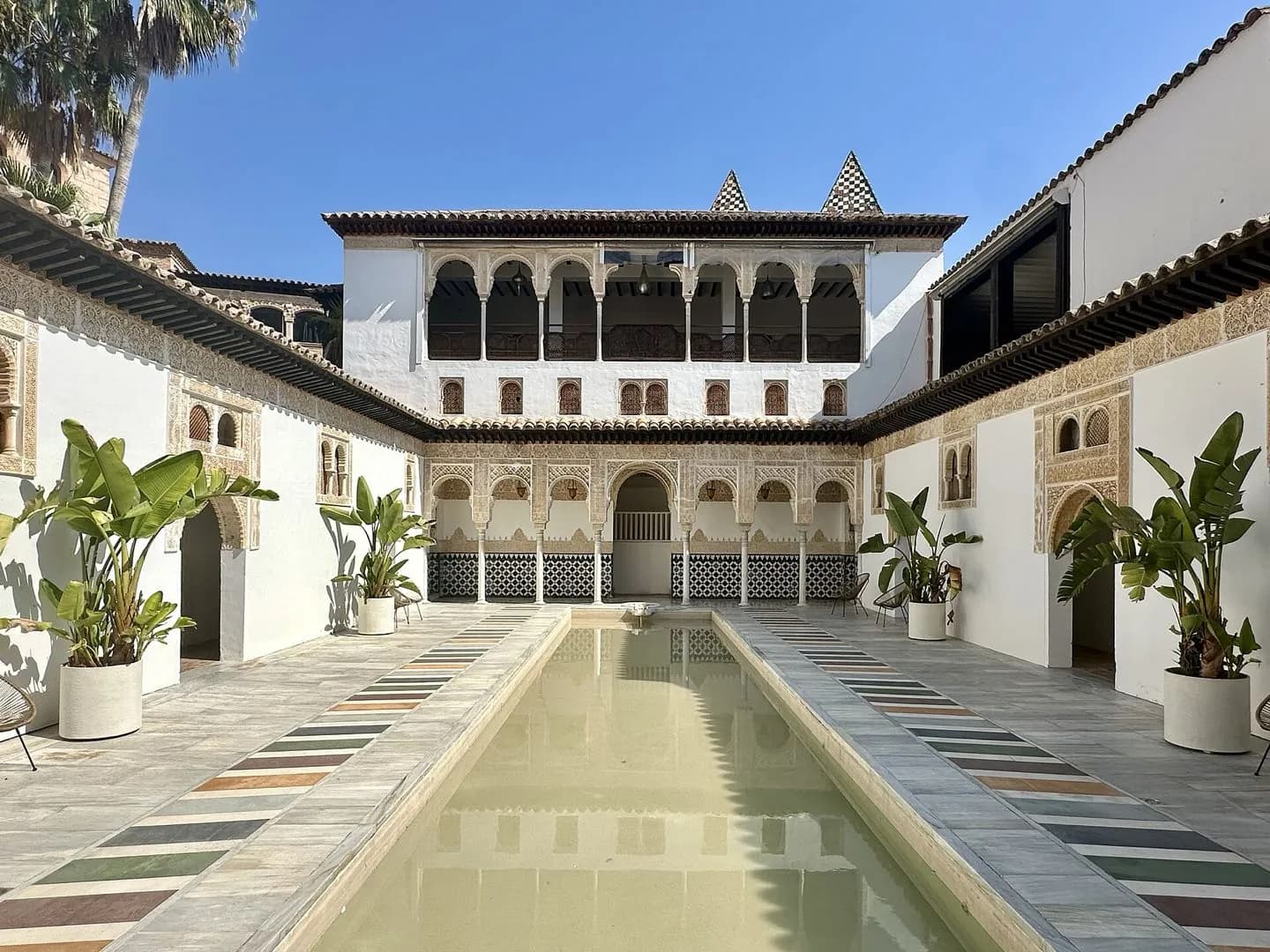
Built in the 1960s, this architectural ensemble gathers scaled interpretations of Spanish streets, squares and monuments into a deliberately theatrical walk. The visit connects contrasting regional façades, plazas and craft-oriented interiors. Its value comes from seeing a working civic place rather than an attraction isolated from everyday Palma.
What to look for
- Contrasting regional façades.
- Plazas and craft-oriented interiors.
The full story
Built in the 1960s, this architectural ensemble gathers scaled interpretations of Spanish streets, squares and monuments into a deliberately theatrical walk. Today, Poble Espanyol Mallorca is best understood through contrasting regional façades, plazas and craft-oriented interiors. The wider Poble Espanyol Mallorca context is a walk-through collection of full-scale architectural recreations from around Spain. Watch how the place operates within Palma’s present-day street life. Entrances, gathering points and nearby routes show whether the original civic role has disappeared or simply changed form. Looking beyond the interior prevents the visit from becoming a static design exercise and connects the building to the neighborhood that continues to use it. Before leaving Poble Espanyol Mallorca, set its arrival image—contrasting regional façades—against its closing image: a walk-through collection of full-scale architectural recreations from around Spain.
Useful to know
- Visit for architectural comparison rather than local authenticity.
- Check current opening and event use before going.
Your next visit
Estimated · Declared scenario and planning estimates; no live opening, weather, queue or booking service.
Indoor visit · 45–90 min
World planning estimate; admission, opening, visit duration and access need checking.