
Why go
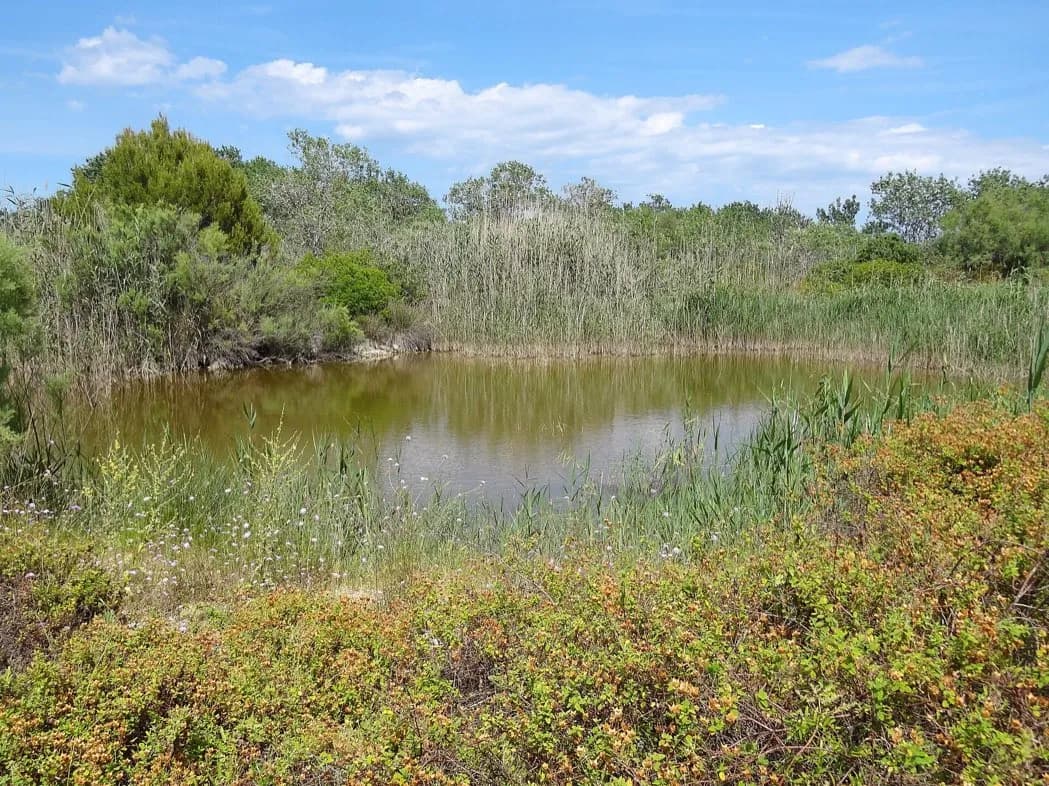
Former drainage schemes altered S’Albufera, yet the wetland survived and became a natural park in 1988, protecting canals, reed beds and rich birdlife. The visit connects reed beds, freshwater channels and seasonal birdlife. Follow the sequence carefully: the way spaces connect often explains the site better than any single viewpoint.
What to look for
- Reed beds.
- Freshwater channels and seasonal birdlife.
The full story
Former drainage schemes altered S’Albufera, yet the wetland survived and became a natural park in 1988, protecting canals, reed beds and rich birdlife. Today, S'Albufera de Mallorca Natural Park is best understood through reed beds, freshwater channels and seasonal birdlife. The wider S'Albufera de Mallorca Natural Park context is Mallorca’s largest wetland, explored along flat paths, canals and birdwatching hides. Let the route establish the order of the spaces. Thresholds, changes in level and shifts between enclosure and openness explain how the place functioned. Once the sequence is clear, return attention to the strongest details and ask how each supports the larger plan. This method keeps a complex site legible without reducing it to one photograph. Before leaving S'Albufera de Mallorca Natural Park, set its arrival image—reed beds—against its closing image: Mallorca’s largest wetland.
Useful to know
- Check registration or permit requirements before entry.
- Bring binoculars, water and insect protection.
Your next visit
Estimated · Declared scenario and planning estimates; no live opening, weather, queue or booking service.
Outdoor visit · 75–150 min
World planning estimate; admission, opening, visit duration and access need checking.