
Why go
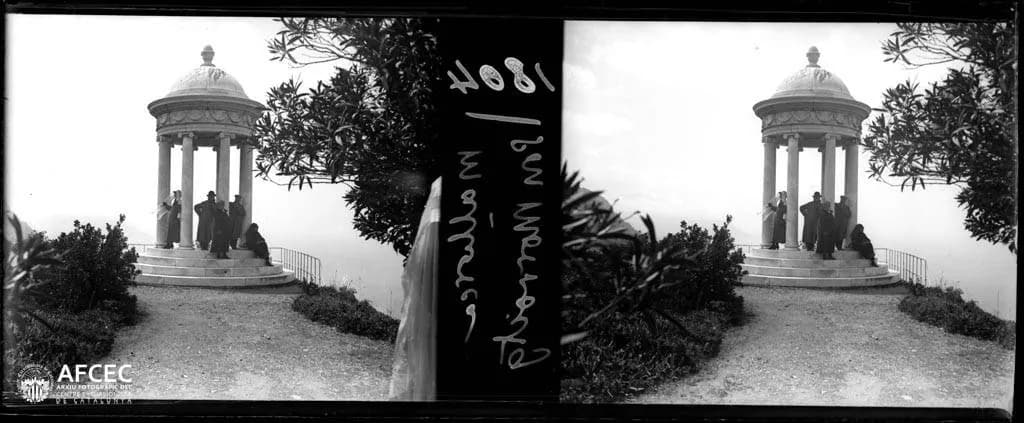
Archduke Ludwig Salvator acquired this Tramuntana estate in the nineteenth century, preserving the landscape and creating the marble pavilion that frames its coastal view. The visit connects the marble temple, historic house and views toward Sa Foradada. Its main value is the connection between the named features and the landscape that produced or preserved them.
What to look for
- The marble temple.
- Historic house and views toward sa foradada.
The full story
Archduke Ludwig Salvator acquired this Tramuntana estate in the nineteenth century, preserving the landscape and creating the marble pavilion that frames its coastal view. Today, Son Marroig is best understood through the marble temple, historic house and views toward Sa Foradada. The wider Son Marroig context is Archduke Ludwig Salvator’s former estate on a dramatic stretch of Tramuntana coast. Use the approach to understand slope, vegetation and distance before entering the main site. The named features then read as responses to their surroundings instead of isolated attractions. On the return, compare the built elements with the terrain once more; that relationship is the durable idea to carry into the next stop. Before leaving Son Marroig, set its arrival image—the marble temple—against its closing image: Archduke Ludwig Salvator’s former estate on a dramatic stretch of Tramuntana coast.
Useful to know
- Use clear weather for the coastal outlook.
- Combine it with Deià or Valldemossa without overloading the day.
Your next visit
Estimated · Declared scenario and planning estimates; no live opening, weather, queue or booking service.
Indoor visit · 45–90 min
World planning estimate; admission, opening, visit duration and access need checking.