
Why go
This short modern history explains the political Malta behind the older stone landscape. It links independence from Britain with neutrality, a Cold War summit in 1989 and European integration. Use it to understand why Valletta is both a historic fortress city and the capital of an EU member state.
The full story
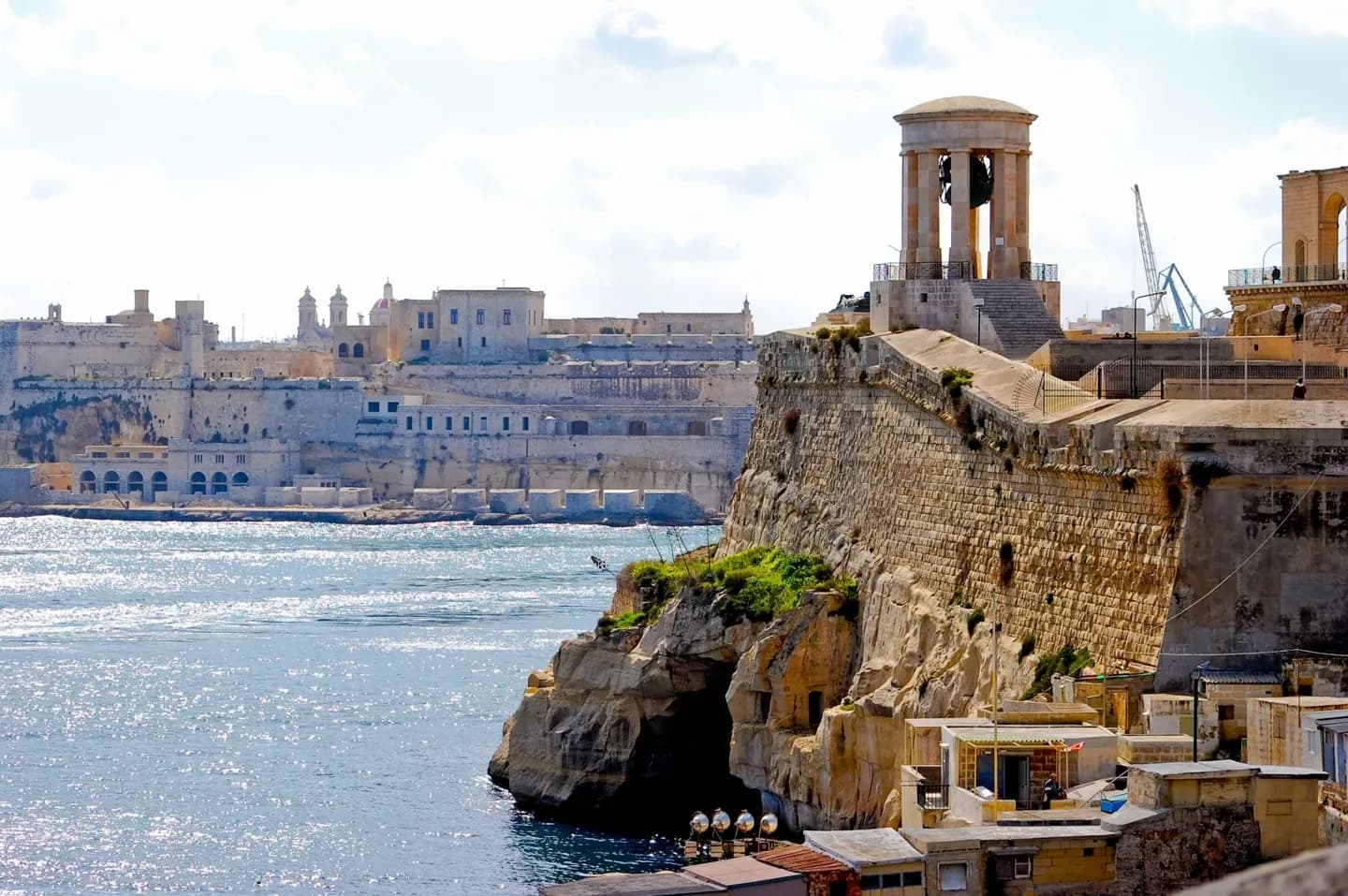
Malta achieved independence from the United Kingdom on 21 September 1964 after negotiations led by Prime Minister George Borġ Olivier. The first constitution retained the British monarch as head of state, represented by a governor-general. A change of government in 1971 led to Malta becoming a republic within the Commonwealth on 13 December 1974, with a president as head of state. The defence agreement with Britain ended in 1979, and Malta adopted a policy of neutrality in 1980. Its location gave the island a later symbolic role when George H. W. Bush and Mikhail Gorbachev met there in 1989, a summit associated with the end of the Cold War. Malta joined the European Union in 2004 and the eurozone in 2008. These dates add a modern layer to Valletta: the city’s old fortifications now frame the institutions of an independent European state.