
Why go
The artistic record gives a clear route through Malta's history. Temple reliefs and sculptures lead to Roman mosaics near Mdina, early Christian catacomb frescoes, and Caravaggio and Mattia Preti in Valletta. Seeing these works in sequence explains why the islands' architecture shifts so dramatically between ancient stone, Roman decoration and theatrical Baroque interiors.
The full story
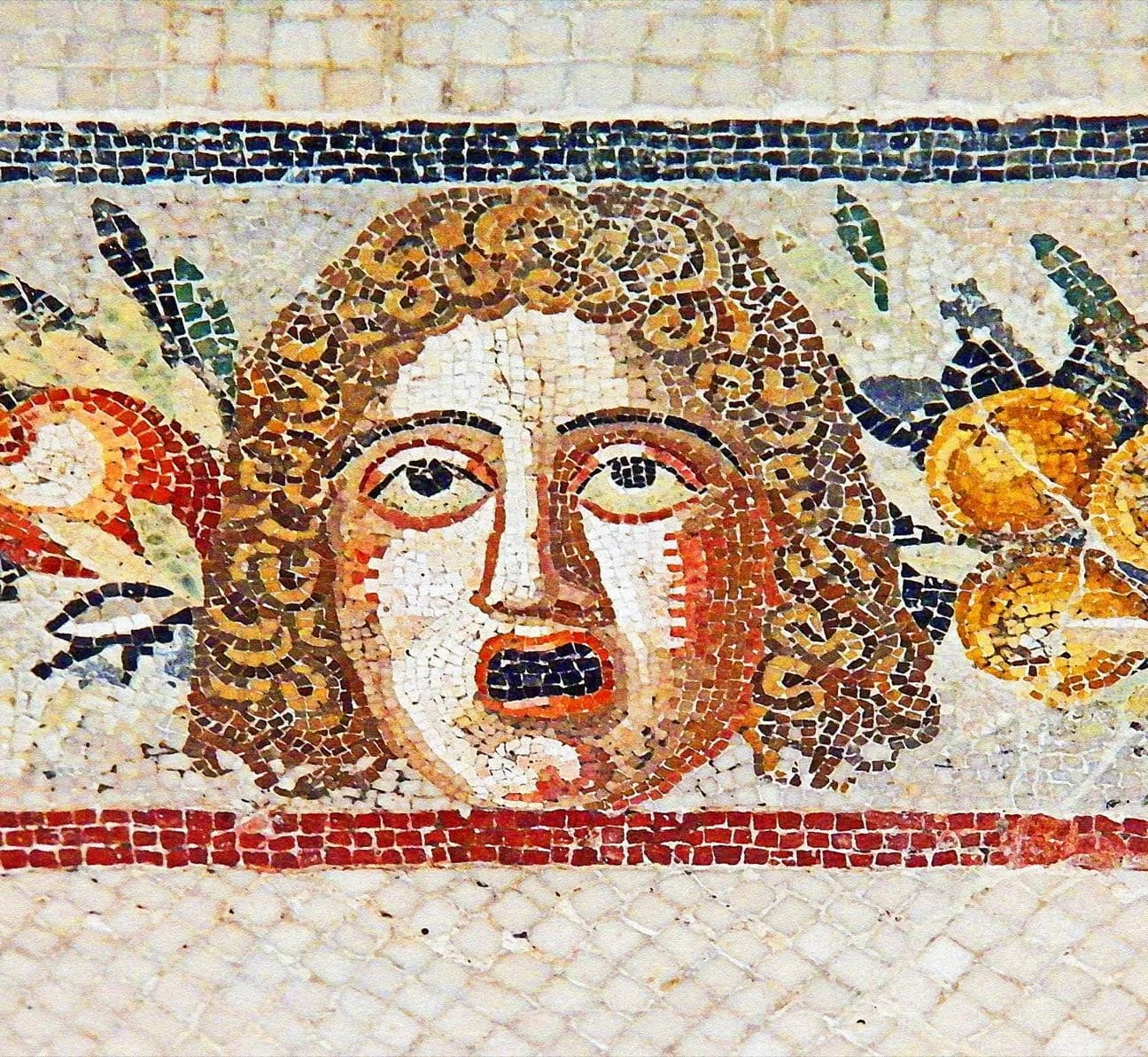
Malta's visual culture begins with the Neolithic temples, whose builders left spiral reliefs, animal forms, red-ochre decoration, ceramics and human sculptures. Roman rule added mosaics, marble columns and classical statuary; the Roman Domus outside Mdina preserves important examples. Early Christian catacombs retain frescoes with eastern Byzantine tendencies, before medieval artists absorbed Romanesque and southern Gothic ideas. Renaissance influence arrived through Sicily, then the Knights of St John brought Italian and Flemish painters to decorate palaces and churches. Caravaggio spent fifteen months in Malta and painted works including The Beheading of St John the Baptist and St Jerome, both in the Oratory of St John's Co-Cathedral. Mattia Preti's vault paintings later transformed the cathedral's interior into a Baroque statement. The sequence is unusually visible across short distances.