
Why go
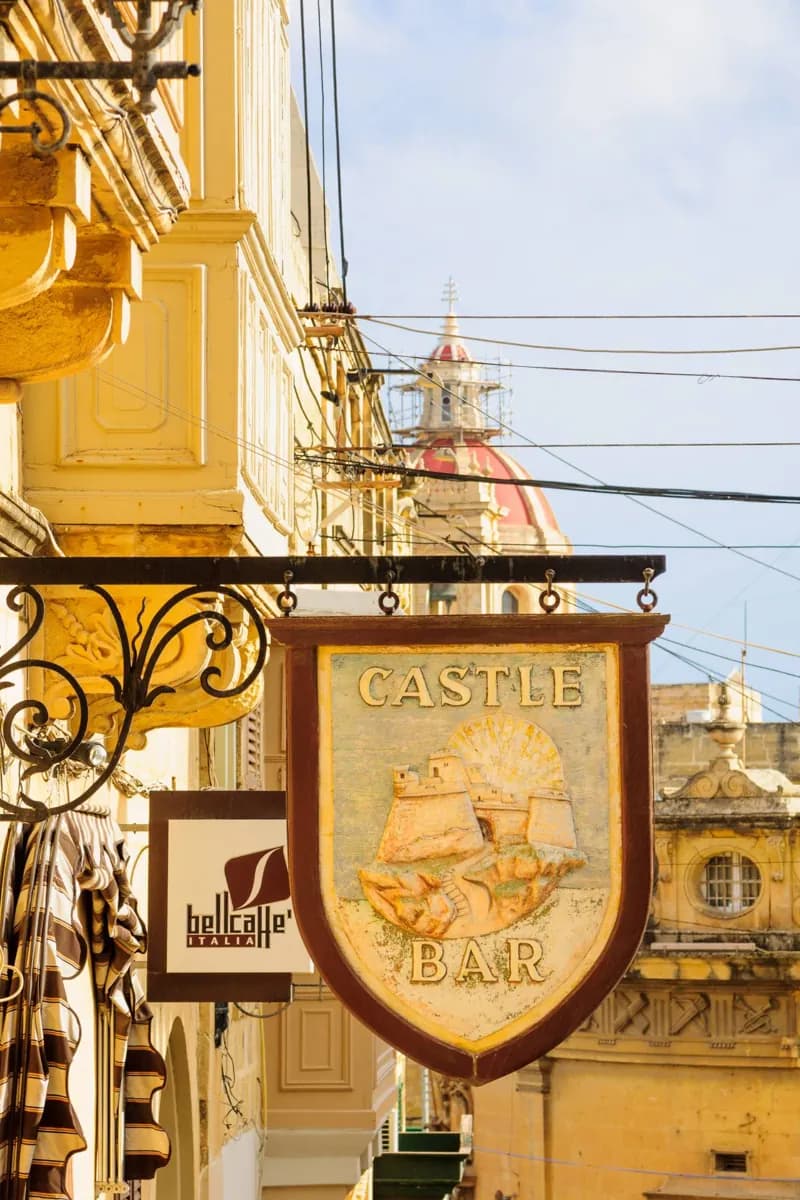
Language adds a layer to place names, menus and street signs. Maltese is the national language and Europe’s only historically Semitic official language, written in a modified Latin alphabet; English is also used widely in public life and education. Italian remains a familiar cultural reference, but language use varies by context and person.
The full story
Maltese and English are Malta’s official languages, and Maltese is also the national language. This makes the islands unusually easy to navigate for English-speaking visitors while preserving a language with a very different history. Maltese developed from Siculo-Arabic and is the only historically Semitic language with official status in the European Union. Its writing uses the Latin alphabet, including distinctive letters such as ċ, ġ, ħ and ż, as well as għ. The language also carries substantial Sicilian and Italian influence in its vocabulary, reflecting Malta’s long contact with neighbouring societies. Italian was once an official language and remains important in cultural life, alongside other languages learnt at school or heard through media. Read signs rather than rushing past them: names such as Għajn Tuffieħa, Żejtun and Ħaġar Qim are part of the destination’s history, not obstacles to an English-language visit.