
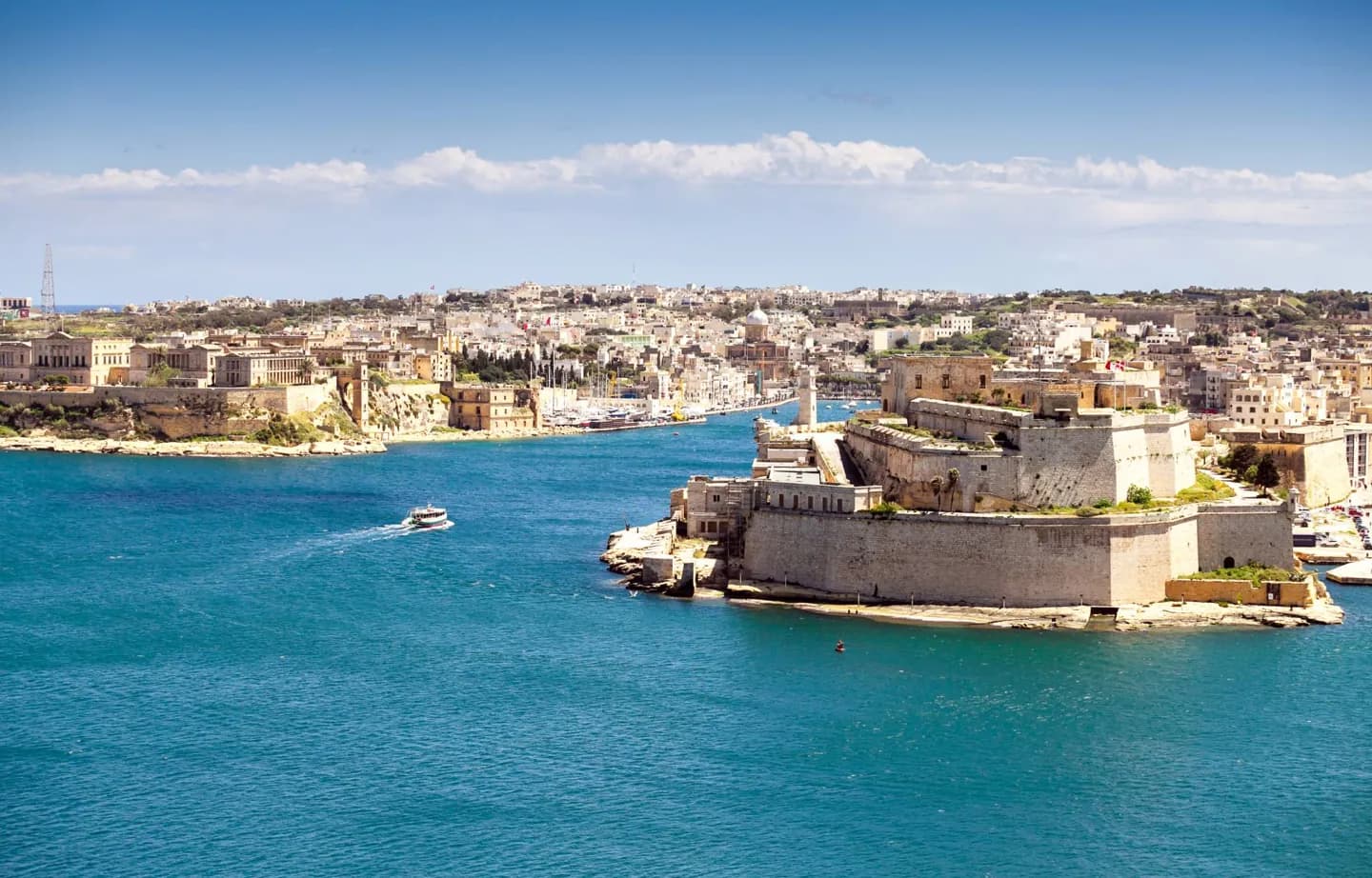
Why go
This context makes familiar sights more legible: a Christmas crib, Good Friday church visits, Italian place names and English-language life are parts of a long exchange rather than isolated curiosities. It is most useful before visiting parish churches, historic towns or a village feast, when religious imagery and local ritual appear repeatedly.
The full story
Modern Maltese culture grew through repeated contact across the Mediterranean and later with Britain. Sicily and Italy were especially influential through long religious and cultural connections; Italian remained a principal language of culture and learning from the fifteenth century into the early twentieth. These links help explain the Catholic calendar and visual language still encountered around the islands. The Christmas crib is called il-presepju, while visits to several Altars of Repose on Good Friday are known as is-sepulkri. Sicilian traditions also shaped devotion to saints, nursery rhymes and the frank religious imagery found in local sculpture. Maltese remains the central local language, carrying older Semitic influence, while English reflects the more recent British legacy. Together, they make Malta's layered identity easy to recognise.