
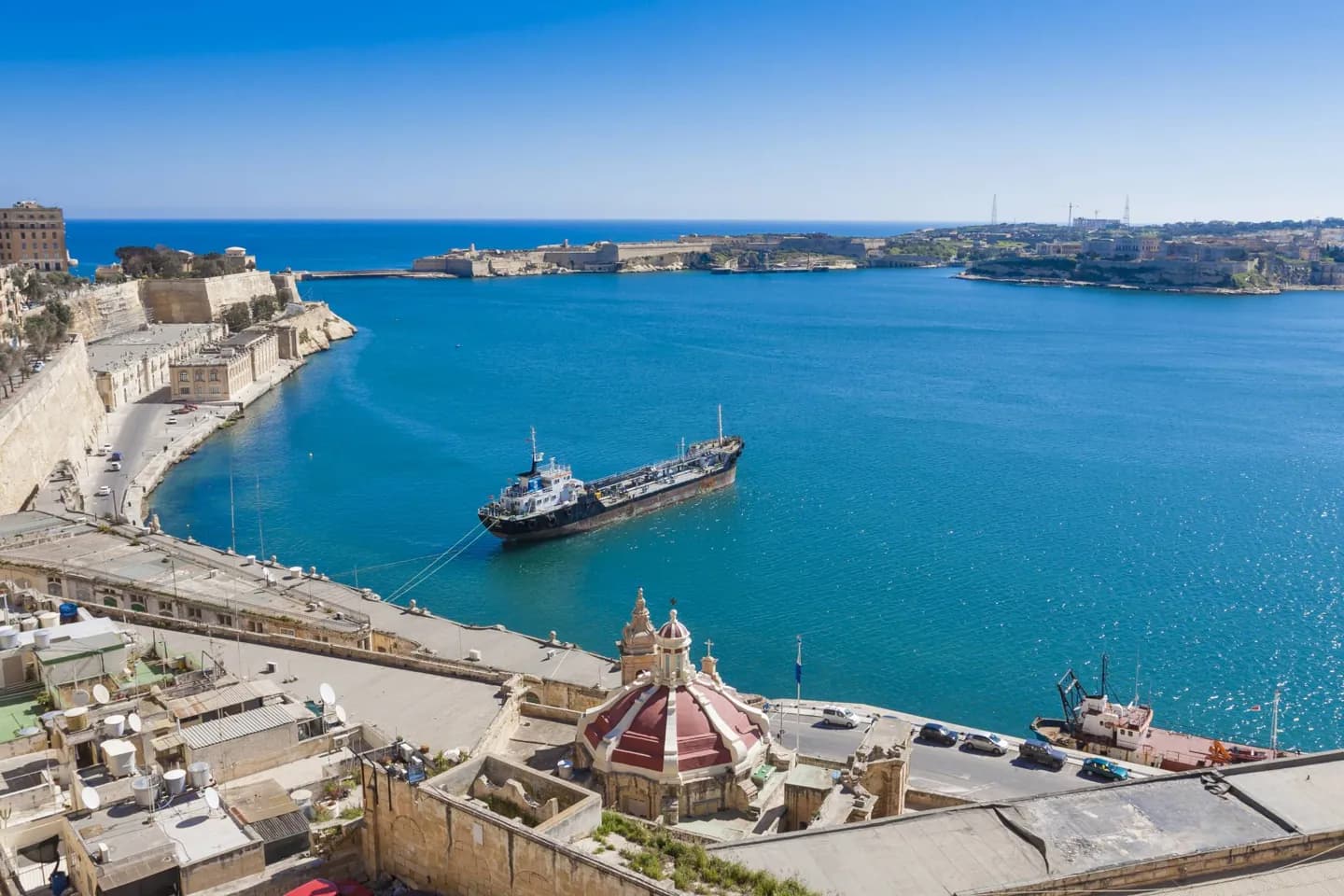
Why go
This context helps explain why the islands feel dry, why terraces and water management matter, and why freshwater is not taken for granted. The contrast is most visible away from the harbour cities, around limestone fields and exposed southern landscapes. Treat water as part of Malta’s environmental story, not a background utility.
The full story
Freshwater has always been limited on Malta. Rain falls mainly outside the dry summer season, often in heavy bursts that run quickly towards the sea. Beneath the islands, freshwater can sit above saltwater in the porous limestone, but that balance is vulnerable when too much groundwater is drawn. Modern supply has therefore relied on more than natural springs and wells. Groundwater has long been used alongside desalination of seawater and water treatment. The arrangement reflects a basic island condition: demand is highest when rainfall is low and visitors are numerous. For travellers, this is useful landscape context rather than a reason to search for hidden streams. Malta has no permanent rivers or lakes, and its vegetation, terraces and settlement patterns all make more sense when you notice the difference between brief winter rain and a long, bright dry season.