
Why go
Dwarf elephants and hippopotamuses make this a different prehistoric stop from the temples. The museum provides the bones and comparisons that explain what the cave's deposits contained. Seeing the display before entering gives meaning to a short cave visit, especially if natural history interests you more than monumental stone architecture.
What to look for
- Museum displays group fossil bones by species and type.
- Modern reference skeletons help compare the extinct animals with familiar forms.
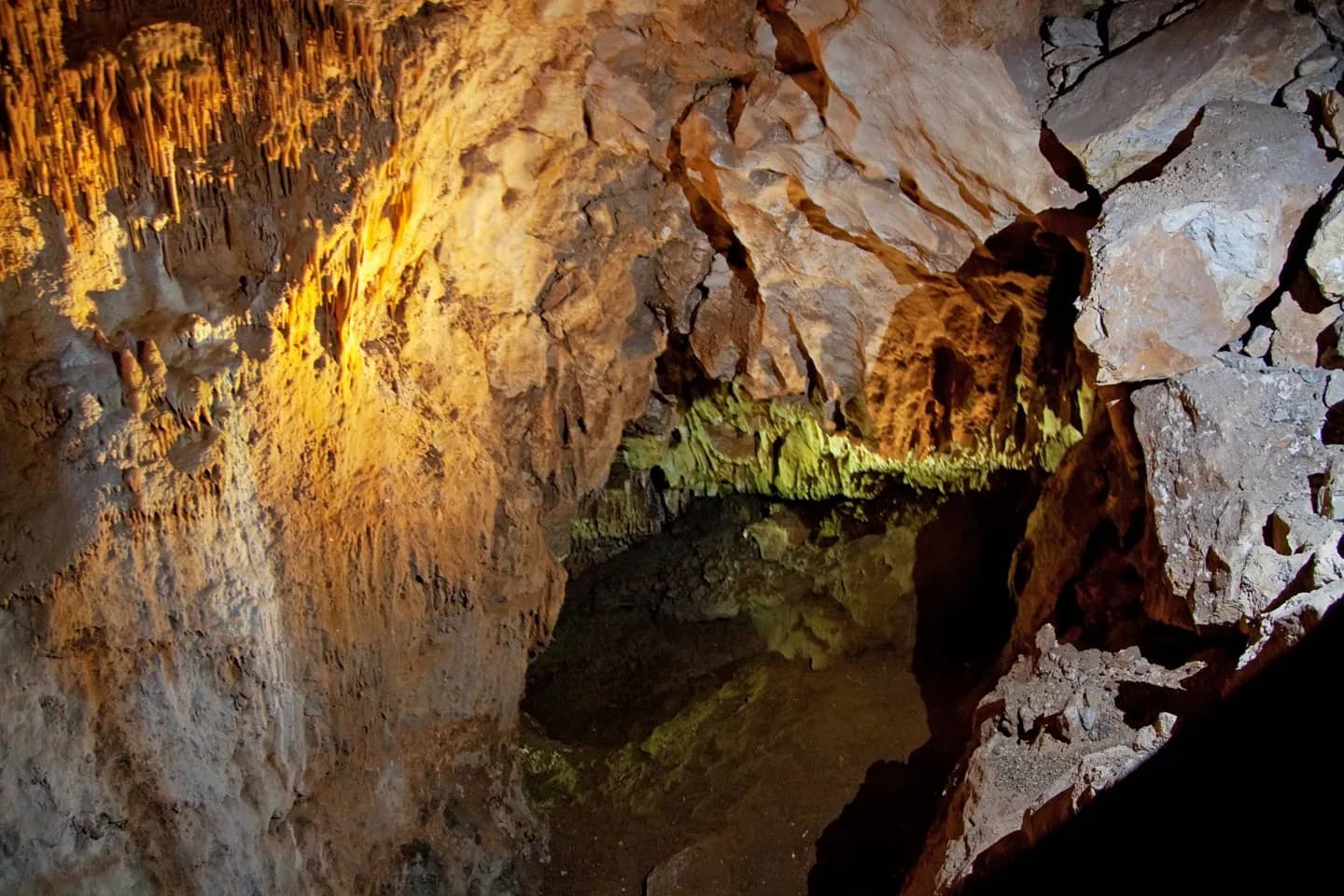
- The cave preserves a layered record of animal remains and later human material.
The full story
Għar Dalam's deposits cover different periods, rather than one moment when every animal lived together. Bones of dwarf elephants, hippopotamuses, deer and other species accumulated in distinct layers. Later deposits also contain domestic animals and human objects, including pottery and tools. That sequence makes the cave useful for understanding change before and during human settlement on Malta. The museum presents another distinction worth noticing. Fossil remains in its surrounding showcases come from the cave, while complete modern skeletons in central displays were brought in as reference specimens. They help researchers and visitors compare fragmented fossils with the anatomy of related animals; they are not whole skeletons excavated here. The cave gave its name to an early Neolithic phase of Maltese prehistory. Its layered deposits connect the island's natural history with the tools and pottery left by early inhabitants. Read the layers as successive environments and activities, rather than contemporary remains.
Useful to know
- Read the museum displays before entering the cave.
- Treat the cave as a limited public section rather than a full underground exploration.
- Combine Għar Dalam with a southeastern outing around Birżebbuġa or Marsaxlokk.
Your next visit
Estimated · Declared scenario and planning estimates; no live opening, weather, queue or booking service.
Outdoor visit · 30–60 min
World planning estimate; admission, opening, visit duration and access need checking.