
Why go
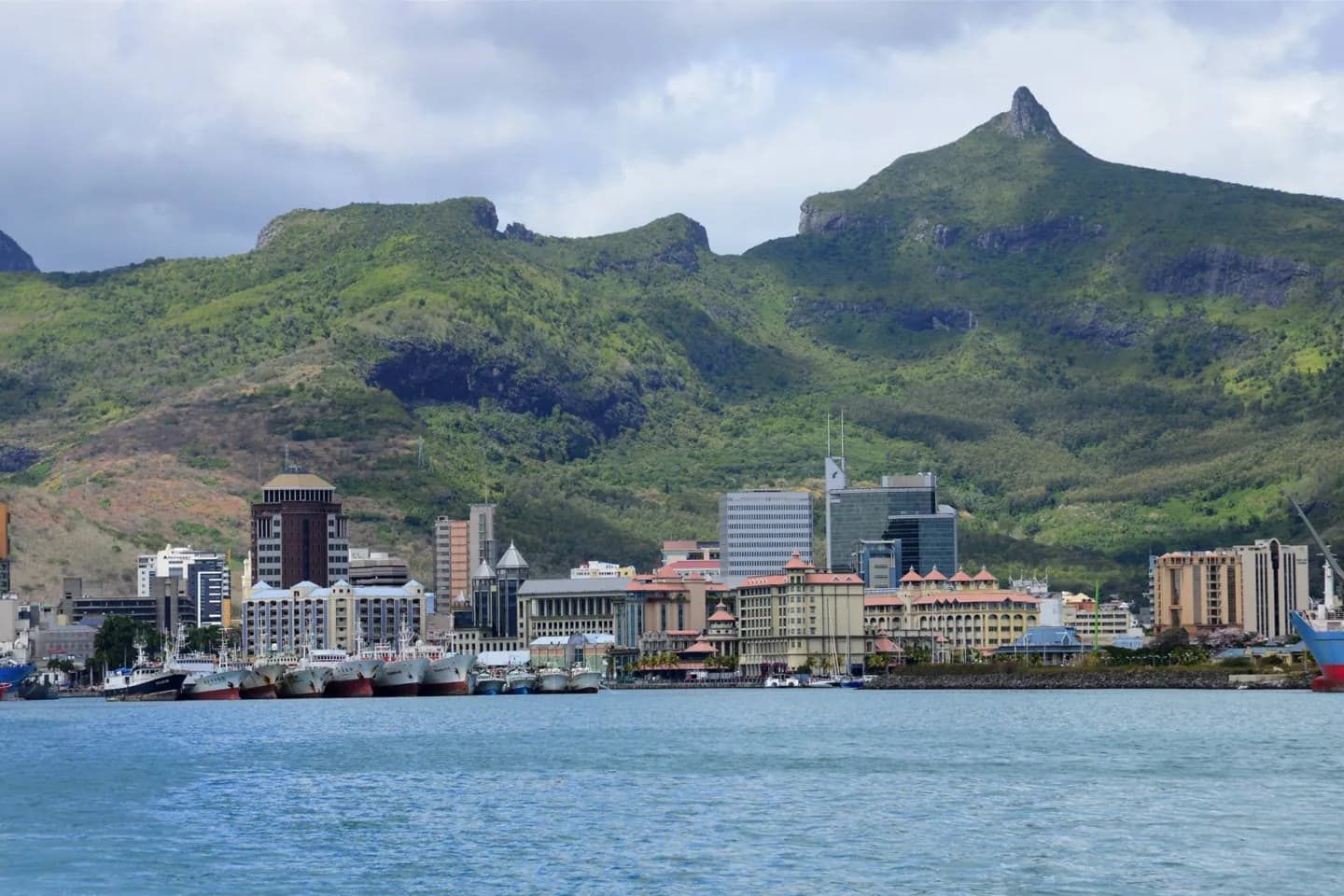
Start in Port Louis to see how these histories meet: Aapravasi Ghat records the arrival of indentured labourers, while the market puts several food traditions side by side. Then look beyond the capital to understand the contrast between the main island, Rodrigues and the outer islands.
The full story
The island was uninhabited before European settlement, though sailors had visited it earlier. The Dutch named it for Prince Maurice van Nassau and established a colony in the seventeenth century. France later called it Isle de France and developed Port Louis as a naval base. Britain took control in 1810, but French language and many French cultural influences remained. Slavery and, after abolition, the arrival of indentured workers from India reshaped the population and the sugar economy. Chinese migration added another strand to everyday life. These histories help explain why Mauritian Creole, French, English and Asian languages are heard across the country, and why food and festivals cannot be reduced to a single tradition. The dodo, once found only here, offers a different reminder of the changes brought by settlement and introduced species. Mauritius is also a group of islands: Rodrigues lies well east of the main island, while Agaléga and Saint Brandon are still farther away.