
Why go
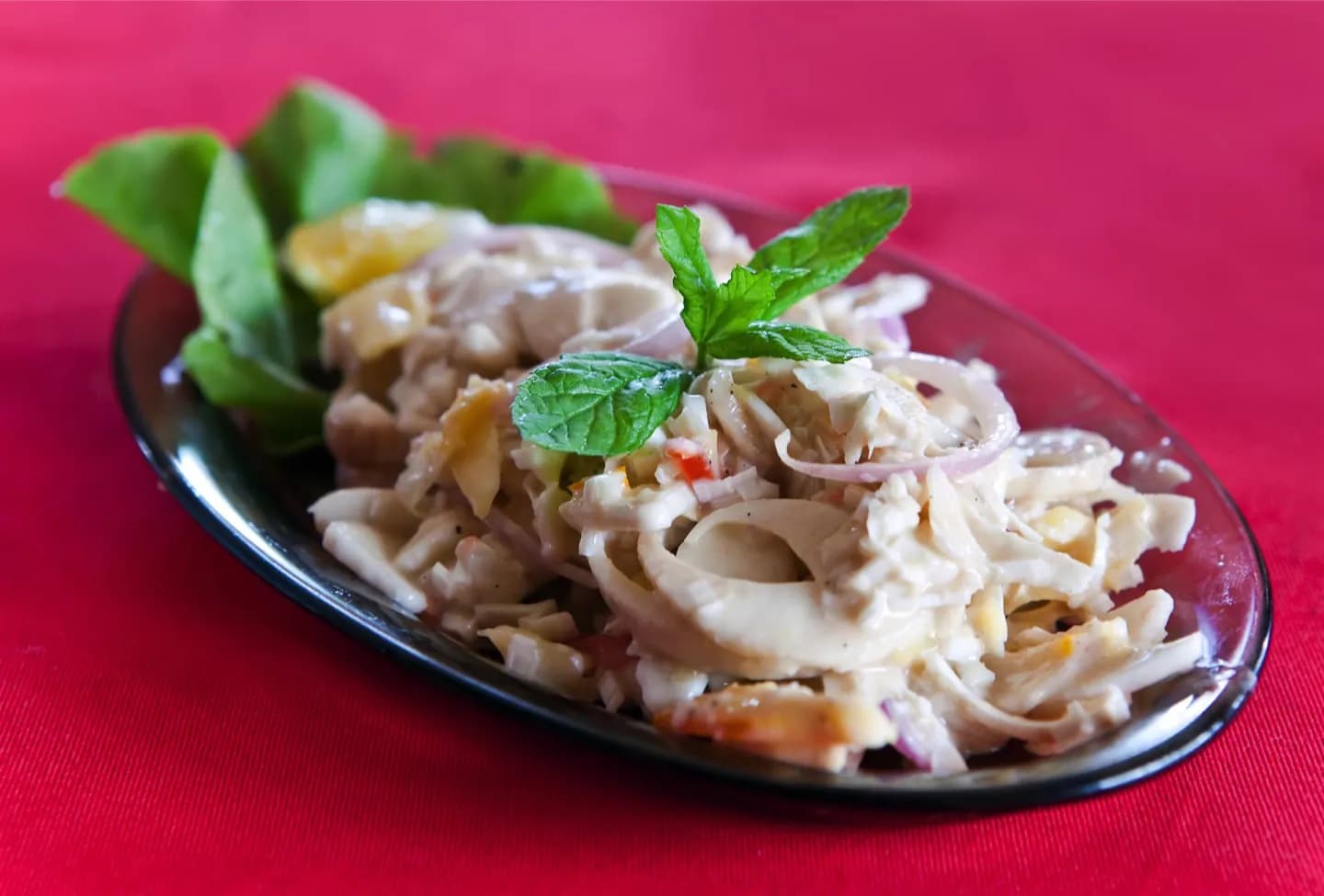
A market visit in Port Louis can reveal the range in one place: curries, chutneys, rougaille, pickles, noodles and fried snacks all have a place in Mauritian eating. The variation also tells the story of migration and adaptation to local ingredients.
The full story
French cooking left dishes such as bouillon and daube in the Mauritian repertoire. After slavery was abolished, indentured workers arrived from different parts of India and brought varied ways of preparing curries, chutneys and pickles. Those preparations changed with local ingredients and other island tastes. Chinese migrants later added noodle dishes and snacks, including hakien, a local version of a spring roll with a batter coating. This is why a single meal cannot stand for the whole cuisine: family and community traditions overlap, and familiar dish names may have a distinctly Mauritian form. Sugar cane adds another layer. The Dutch introduced the crop during their seventeenth-century colony, and arrack preceded later rum production. French and British rule expanded the sugar economy. Tasting a rum or seeing a former sugar estate can therefore connect a drink to the island’s agricultural and labour history, rather than to a generic tropical image.
Useful to know
- Browse Port Louis Central Market to compare produce and prepared foods in one stop.
- Ask what accompanies a curry or rougaille; chutneys and pickles change the combination.