
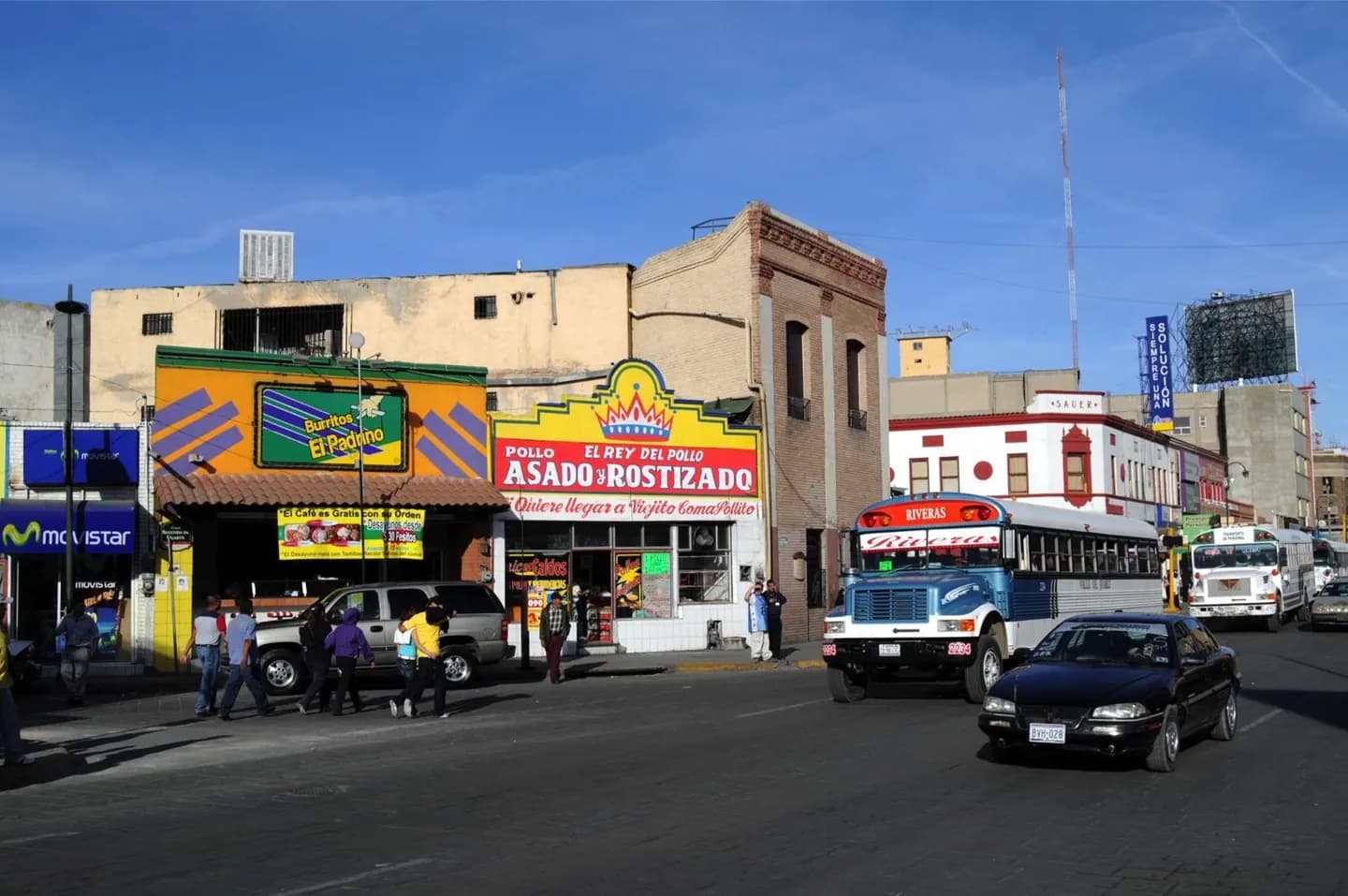
Why go
Driving gives direct access to dispersed districts and excursions, but congestion, complex junctions and limited parking demand close planning. It makes the most sense when carrying luggage, reaching places beyond frequent transit or leaving the city. Within central neighborhoods, public transport and walking usually provide a clearer experience and avoid the strain of navigating unfamiliar streets.
The full story
Mexico City's road network grew across an immense metropolitan area rather than from a single orderly grid. Broad avenues, elevated roads, historic streets and later ring routes meet in patterns that can be difficult to read from the driver's seat. Congestion changes quickly by district and time of day, while parking is scarce around many central attractions. Driving therefore works best as a targeted tool: use it for peripheral destinations, luggage transfers or journeys beyond the urban rail network. For sightseeing in the Historic Center, Reforma, Roma, Condesa and Coyoacán, combining Metro, Metrobús and walking usually preserves more time for the places themselves. If a car is necessary, plan the approach and parking location before departure, allow a generous buffer and follow current local restrictions from official sources rather than relying on old printed rules.