
Why go
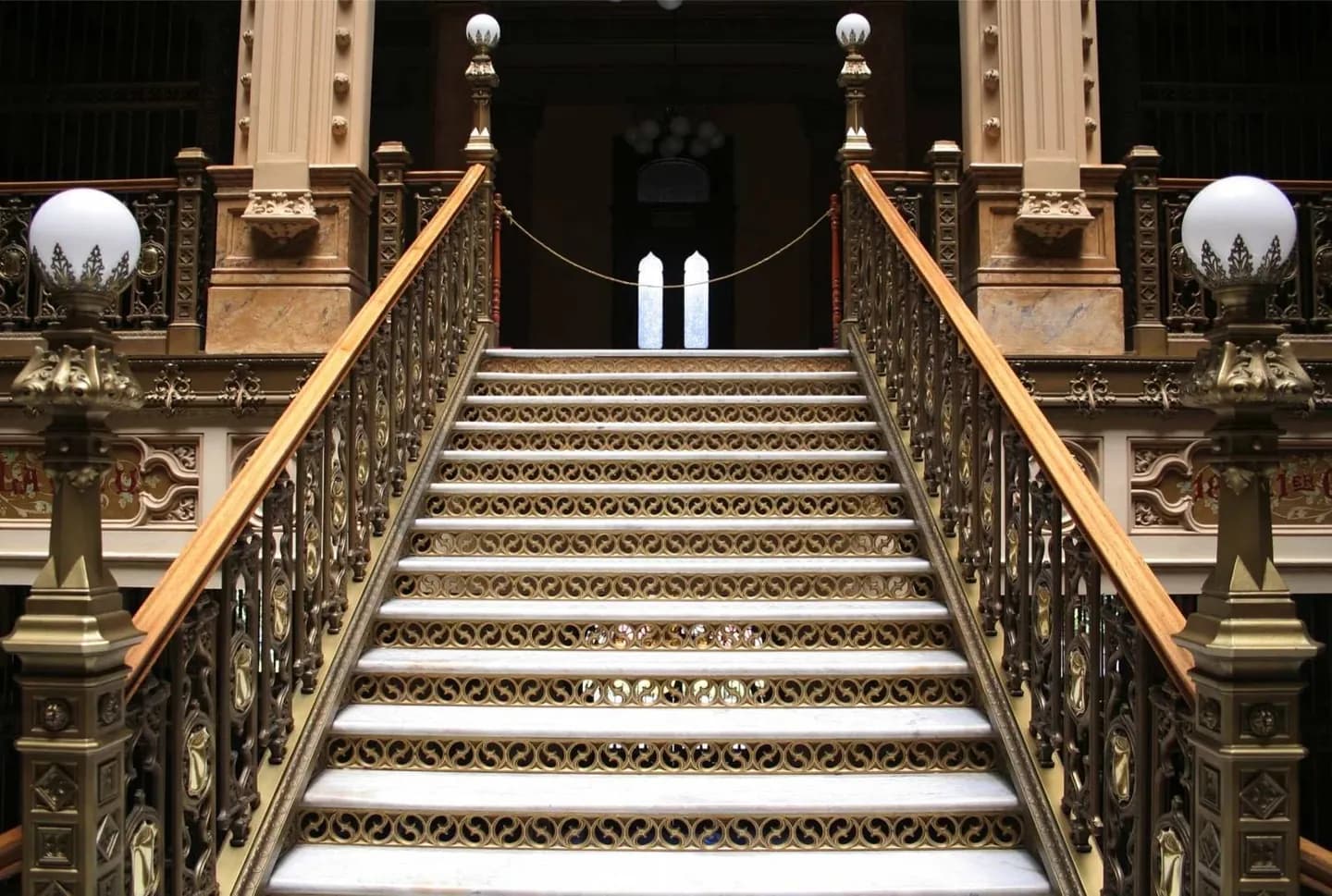
the Eje Central (Lazaro Cardenas) near the Palacio de Bellas Artes. It was built at the very beginning of the 20th century, when the Post Office here became a separate government entity. Its design and construction was the most modern of the time, including a very eclectic style mixing several different traditions into a very complex design. In.
What to look for
- Notice how Palacio de Correos relates to the surrounding streets and skyline.
- Look for surviving details that reveal the site's principal historical layer.
The full story
the 1950s, the building was modified in a way to cause stress and damage, so when the 1985 earthquake struck Mexico City, this building was heavily damaged. In the 1990’s, restoration work has brought the building back to original construction and appearance. Description Its architectural style is highly eclectic, with the building being classed as Italian Renaissance, Plateresque, Elizabethan Gothic, Elizabethan Plateresque and Venetian Gothic and/or a mixture of each. The building also has Moorish, Neoclassical, Baroque and Art Deco elements. There is also a mix of materials and design elements from Europe and Mexico. The palace contains ornaments of marble, plaster of paris and white “cantera” stone from Puebla. It was designed by Italian architect Adamo Boari. The building has a steel frame and a foundation build on an enormous grid of steel beams, which has allowed it to withstand a number of earthquakes and has avoided the subsidence problem that plagues many buildings here. The post office is made with a very light-colored, almost translucent variety of a.
Useful to know
- Allow enough time to see Palacio de Correos and its immediate setting without rushing.
- Check current official access information before entering any managed interior.
Your next visit
Estimated · Declared scenario and planning estimates; no live opening, weather, queue or booking service.
Outdoor visit · 30–45 min
World planning estimate; admission, opening, visit duration and access need checking.