
Why go
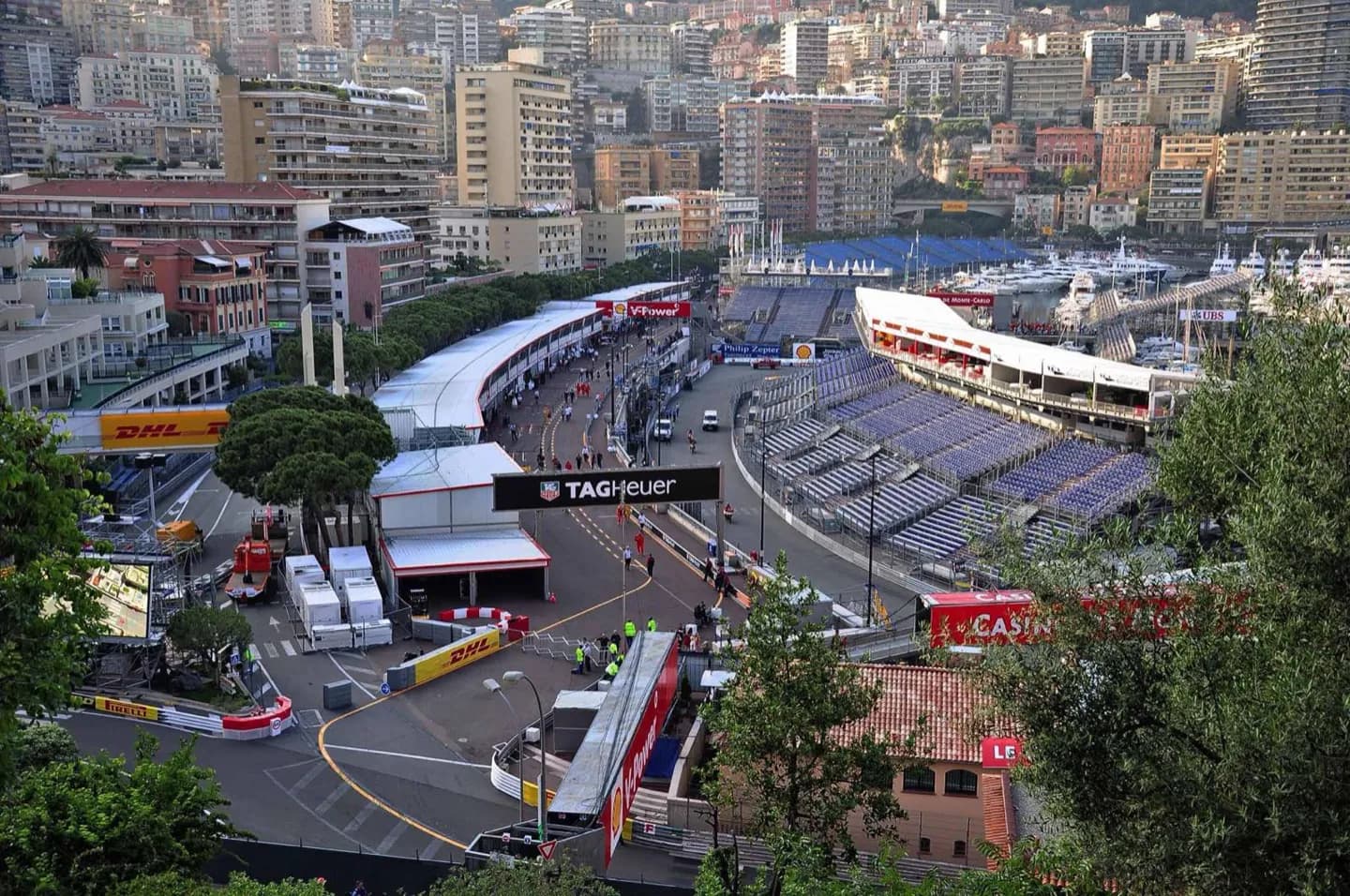
The circuit’s sequence makes Monaco’s terrain tangible: streets climb above Port Hercule, squeeze through tight bends and pass through a tunnel before returning toward the waterfront. Seeing several sections explains the driving challenge better than viewing one famous corner alone.
What to look for
- Port Hercule sits beside a major stretch of the street course.
- The tunnel creates a sharp change between enclosed road and daylight.
- The Fairmont Hairpin compresses the course into a very slow bend.
The full story
The circuit uses streets that serve Monaco every day. That is the key to reading it outside an event: pavements, harbour edges and hotel frontage become parts of a racing course only when the Grand Prix is assembled. The route links Monte Carlo with La Condamine and Port Hercule, crossing steep grades and confined corners before passing through the tunnel. On a normal day, the turn at the Fairmont Hairpin can look almost too tight for a racing car, while the tunnel’s exit shows how quickly drivers must adjust from shade to daylight. Monaco has altered parts of its circuit over time, but the street setting remains its defining feature. A visit to several points tells a more complete story than a search for one grandstand view; during the event, access and sightlines depend on current arrangements.
Useful to know
- Use the Grand Prix start line, Casino Square and Fairmont Hairpin as separate public stops if you do not want the full climb.
- Expect changes in elevation between the harbour and Monte Carlo.
- Check official race information before visiting during event preparations.