
Why go
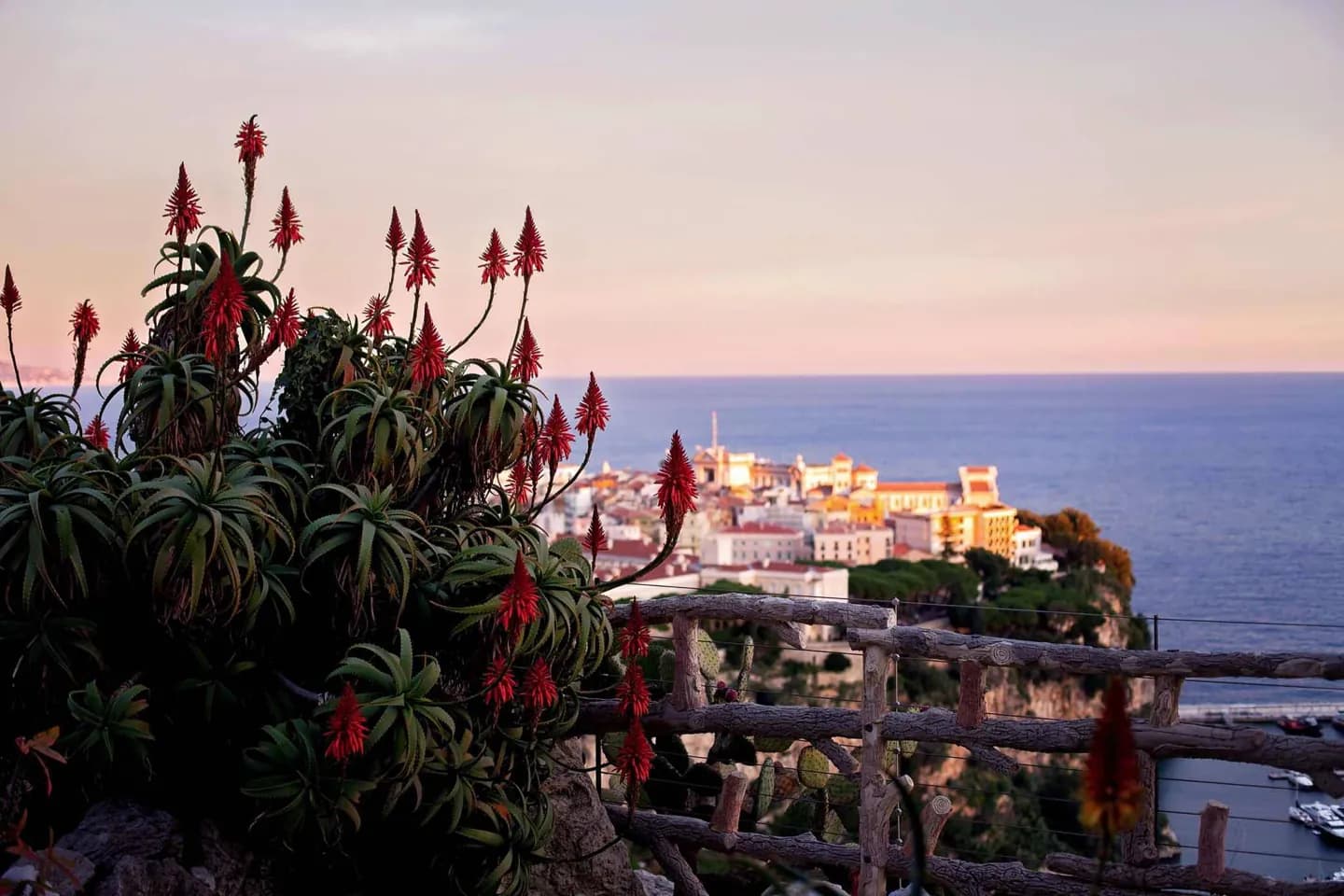
This introduction helps you read the city before choosing stops: Monaco-Ville holds the palace on the Rock, La Condamine follows Port Hercule below, and Monte Carlo grew around the casino. The same short journey also reveals how Monaco’s coast, political history and tourism developed together.
The full story
The Rock and its sheltered harbour gave Monaco a shape long before Monte Carlo became its best-known name. The fortified headland became the seat of the Grimaldi family, while the lower ground around Port Hercule served the harbour. Across the bay, Monte Carlo grew with the casino and a rail connection in the nineteenth century. Those origins still make the districts feel different on foot: old streets and princely sites on the Rock, waterfront activity below, and the casino district across the harbour. Monaco is a country as well as a city. Its state institutions and municipal services have different roles, even though there is no separate city outside the national territory. French is the official language; Monégasque names and traditions remain part of the local identity. The principality’s ties with France are close, but its sovereignty was recognised in the 1861 treaty. Reading these layers together gives more context to the palace, port and Monte Carlo than a quick circuit of landmarks alone.