
Why go
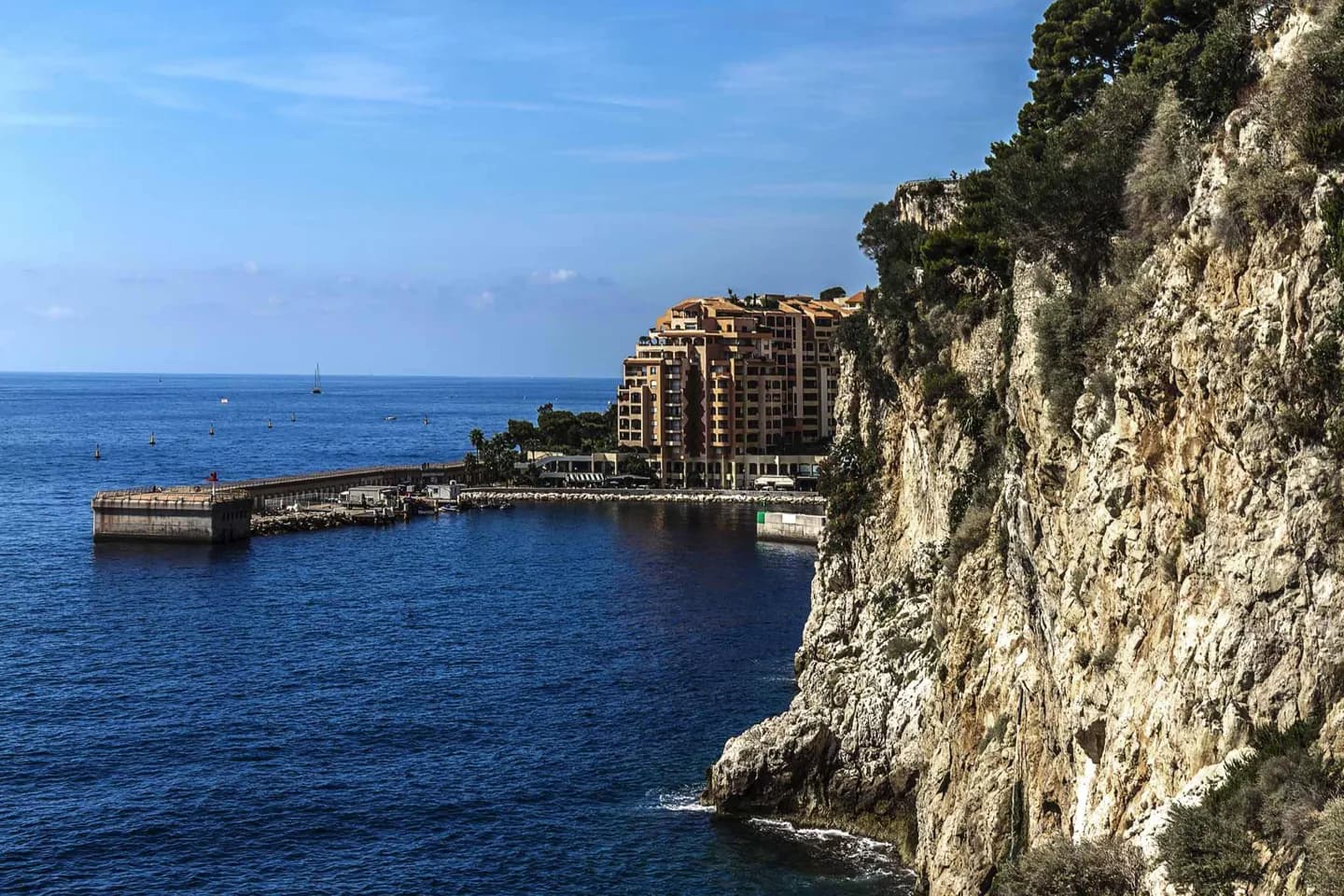
Read the palace and harbour together to understand why this small promontory mattered for so long. The story also explains Monaco’s changing relationship with neighbouring powers and why Monte Carlo became central only much later than the fortress on the Rock.
The full story
The sheltered harbour and rocky headland attracted people long before the principality existed. Ancient writers linked the area with a place called Monoïkos, although the name’s origin remains debated. Genoese settlers built a fortress on the Rock in the early thirteenth century. Francesco Grimaldi seized it in 1297, beginning a long and sometimes interrupted struggle for control. The palace district still stands on that strategic high ground. Monaco’s territory and alliances changed repeatedly. French revolutionary forces took control in 1793; the Grimaldis returned in 1814, after which Monaco came under Sardinian protection. Menton and Roquebrune later broke away. The 1861 Franco-Monégasque treaty recognised Monaco’s sovereignty and settled the transfer of those towns to France. In the later nineteenth century, the casino and railway helped transform the economy and gave Monte Carlo a prominence that the older Rock had never needed. Twentieth-century constitutional changes and Monaco’s entry into the United Nations added further layers to its separate statehood.