
Why go
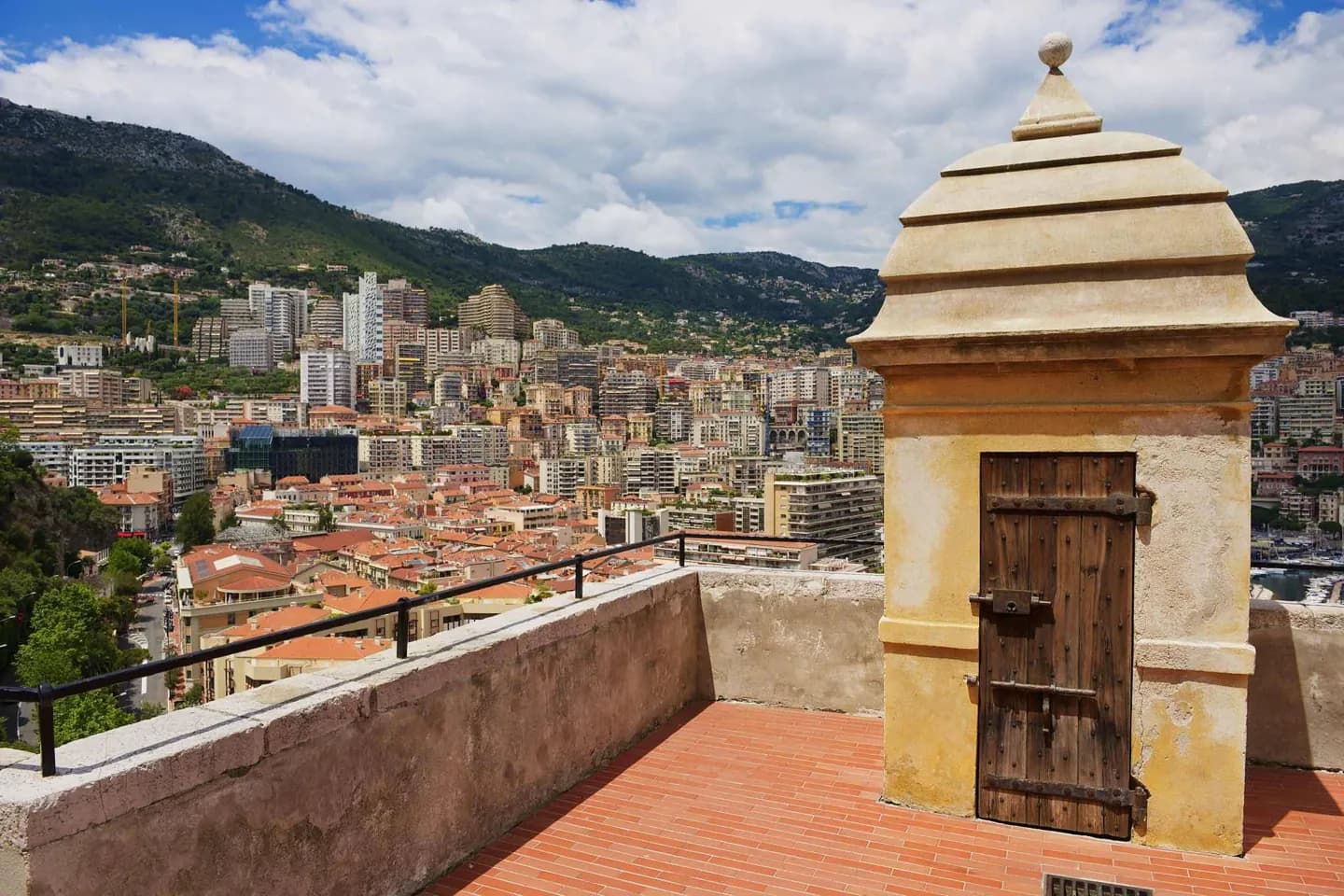
The ancient layer matters most at Port Hercule and the Rock, where geography explains the appeal of this sheltered stop. It gives the port a deeper history without requiring the visitor to accept a precise founding date or a myth as proof.
The full story
Classical writers associated the coast around Monaco with Ligurian people. Greek accounts later used the name Monoïkos, linked in tradition to Hercules. The port was a natural point of contact on a coast where sea routes mattered, and Roman usage preserved a related name, Portus Herculis Monoeci. That older harbour reference echoes in today’s Port Hercule. The surviving descriptions mix place names, trade and myth. Some accounts describe a Greek settlement or sanctuary, but the exact relationship between the Greek name and an earlier Ligurian name remains uncertain. Hercules may explain how later writers understood the site rather than what a visitor could verify from the ground. The geography is the firmer guide: the Rock projects into the sea above a protected harbour, making the location easy to recognise from the waterfront. Antiquity here is best read as a history of a strategic coastal setting, not as a line of buildings still visible in the modern city.